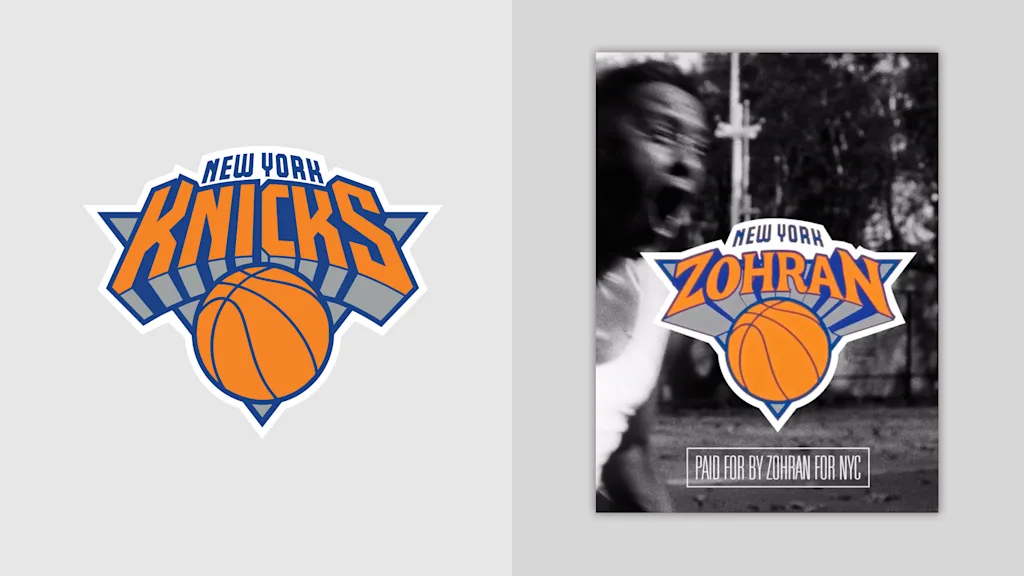
New York State Assemblymember Zohran Mamdani is leveraging the popularity of the New York Knicks to amplify his political brand, a strategy that has drawn scrutiny regarding the intersection of professional sports and local political campaigning. By associating his public image with the team’s recent performance, Mamdani is attempting to reach a broader demographic of voters beyond traditional political channels. According to recent reports, this tactic includes the use of targeted digital advertisements that align his political messaging with the team’s ongoing success in the NBA, a move political analysts describe as a high-risk, high-reward effort to increase name recognition among a younger, sports-engaged audience.
The strategy centers on Mamdani—who represents parts of Queens in the New York State Assembly—positioning himself as a candidate who understands the cultural fabric of the city, including its deep-seated sports loyalties. As of late 2024, Mamdani has been actively exploring a potential run for Mayor of New York City, according to filings with the New York City Campaign Finance Board. This effort to associate with the Knicks comes as the team experiences a period of heightened public interest, with the franchise currently holding a competitive standing in the Eastern Conference, as documented in official NBA standings.
The Intersection of Sports Culture and Political Identity
For many observers, the use of sports imagery in political advertising represents a shift toward “lifestyle campaigning,” where candidates attempt to bypass traditional policy-heavy discourse in favor of shared cultural experiences. Mamdani, known for his progressive stance within the Democratic party, has utilized social media platforms to engage with Knicks fans directly. This approach is designed to humanize the candidate by tapping into the emotional investment fans have in the team’s performance. In the context of New York City politics, where municipal turnout can be historically low, capturing the attention of casual voters through high-visibility cultural touchstones like the Knicks is a calculated move to expand a voter base.
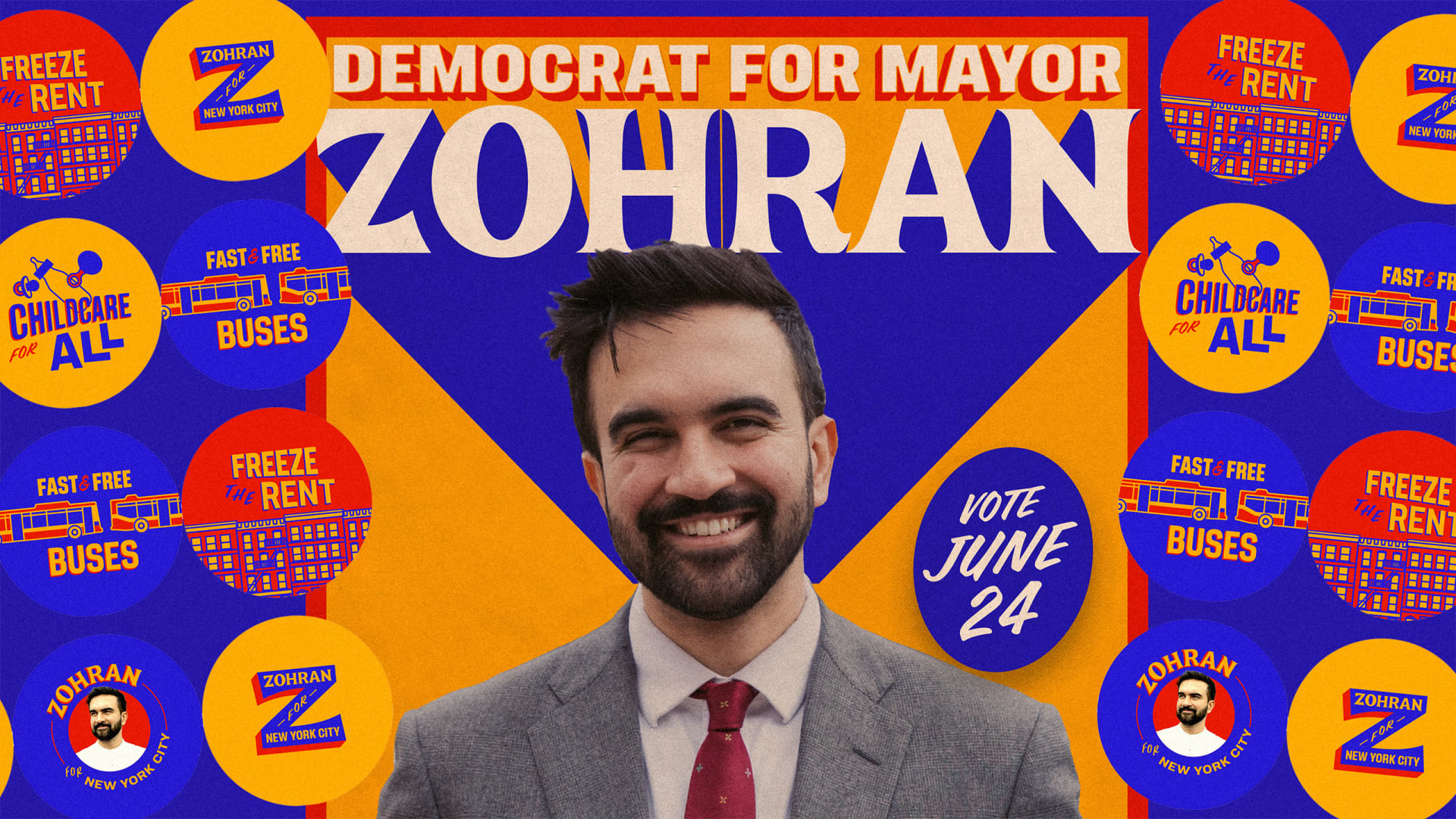

Political strategists note that while this method can effectively increase visibility, it carries inherent risks. Some critics argue that equating political leadership with sports fandom may trivialize the complexities of municipal governance. However, supporters of the strategy suggest that in an era of fragmented media consumption, meeting voters where they are—including during high-stakes sporting events—is necessary to maintain relevance. The Pew Research Center has consistently tracked how social media platforms serve as the primary news source for younger cohorts, validating the logic behind Mamdani’s digital-first, sports-adjacent outreach.
Evaluating the High-Risk, High-Reward Strategy
Mamdani’s approach has been characterized by some observers as “high-risk, high-reward” because it relies heavily on the team’s continued success. Should the Knicks’ performance falter, the connection between the candidate and the team could lose its luster, potentially leaving the campaign vulnerable to criticism that the association was opportunistic. Furthermore, political branding tied to a specific team risks alienating fans of rival franchises or those who view sports as an escape from the pressures of political discourse. The New York City Campaign Finance Board maintains strict guidelines regarding campaign expenditures, and all advertising, including digital content featuring public figures or sports teams, must comply with established disclosure requirements regarding the use of campaign funds.

Despite these challenges, the strategy highlights a broader trend of candidates attempting to reshape their public voice in Washington or at the local level by moving away from traditional party messaging. By positioning himself as a “fan first” and a politician second, Mamdani is attempting to build a narrative of authenticity. This narrative is intended to contrast with more traditional political figures who may be viewed as detached from the daily interests of New Yorkers. The efficacy of this approach in converting “sports interest” into “voter turnout” remains the primary question for political observers as the 2025 municipal election cycle approaches.
What Happens Next in the Campaign Cycle
The next phase of the campaign will likely see an increase in digital ad spending as potential candidates solidify their platforms. According to the New York City Board of Elections, the primary election schedule for the upcoming municipal cycle will be finalized in the coming months, with official filing deadlines for candidates expected to follow shortly thereafter. Voters and stakeholders interested in the financial transparency of these campaigns can access real-time data through the NYC Campaign Finance Board’s disclosure portal, which tracks all donations and expenditures.
As Mamdani continues to navigate the complexities of a potential mayoral bid, the reliance on cultural branding will likely face increased scrutiny from both political opponents and the media. Whether this sports-centric strategy provides a measurable “boon” to his political standing will ultimately be determined by polling data and voter engagement metrics collected during the upcoming primary season. Readers are encouraged to stay informed by following official updates from the New York City Board of Elections and to participate in the conversation by sharing their perspectives on the evolution of modern political campaigning in the comments below.
Related reading