
Pakistan Confronts Vaccine Hesitancy with Bold Action
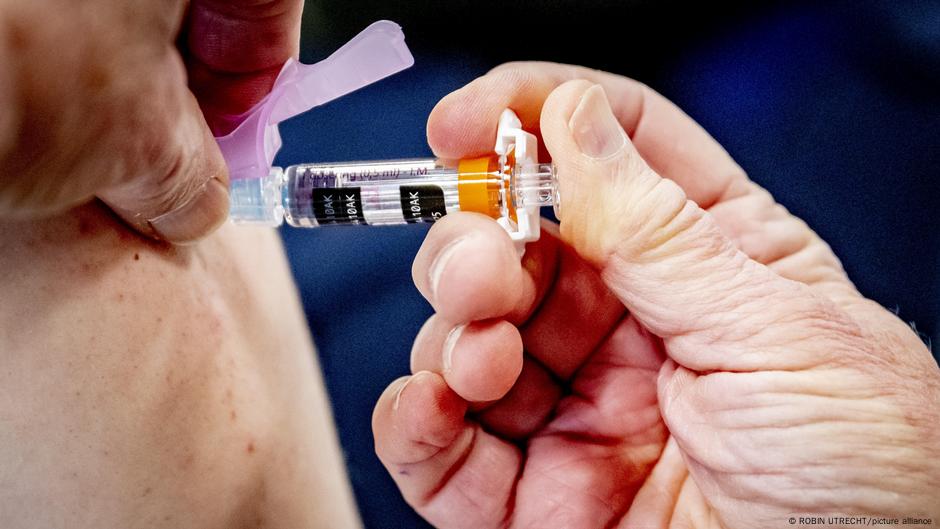
Pakistan is making important strides in bolstering public health, even amidst ongoing challenges. Recently, the Federal Health Minister, Syed Mustafa Kamal, took a powerful and public step to address concerns surrounding the Human Papillomavirus (HPV) vaccine. He had his daughter vaccinated during a televised press conference on September 20th, directly demonstrating his confidence in the vaccine’s safety and efficacy.
This action comes at a crucial time, as misinformation about vaccines continues to circulate and impact public health initiatives. Kamal directly addressed these concerns, aiming to dispel myths and encourage wider acceptance of the HPV vaccine. It’s a move designed to build trust and protect future generations.
The Ongoing Battle Against Polio & Vaccine Hesitancy
Pakistan’s commitment extends beyond HPV, as the nation continues its decades-long fight against polio. Despite substantial progress, complete eradication remains elusive. Why is this the case? Several factors contribute to the ongoing challenge.
* Geographical Barriers: Reaching remote and conflict-affected areas presents logistical difficulties.
* Vaccine Hesitancy: Mistrust and misinformation continue to fuel resistance in some communities.
* Political & Security Issues: Instability can disrupt vaccination campaigns and endanger healthcare workers.
* Cross-Border Transmission: Polio cases in neighboring Afghanistan pose a constant risk of re-introduction.
I’ve found that addressing vaccine hesitancy requires a multi-pronged approach. It’s not simply about providing data; it’s about building relationships and understanding the root causes of distrust.
Building Trust: A Key strategy
Here’s what works best when tackling vaccine hesitancy:
- Community Engagement: Partnering with local leaders, religious figures, and trusted community members is essential.
- Transparent Dialog: Openly addressing concerns and providing accurate information builds confidence.
- Personal Stories: Sharing real-life experiences of those protected by vaccines can be incredibly impactful.
- Addressing Misinformation: Actively debunking myths and providing evidence-based facts is crucial.
- Accessibility: Ensuring vaccines are readily available and affordable for all is paramount.
The Health Minister’s public demonstration with his daughter is a prime example of transparent communication. It’s a powerful message that resonates far beyond a press conference. It shows leadership and a personal commitment to public health.
Looking Ahead
Pakistan’s dedication to overcoming these hurdles is commendable. By proactively addressing misinformation, engaging communities, and demonstrating leadership, the nation is working towards a healthier future for all its citizens. It’s a complex undertaking, but one that is absolutely vital for protecting the well-being of current and future generations.





