
Vaccination against the human papillomavirus (HPV) has led to a near-total reduction in cervical cancer cases among women in their 20s, according to data from a long-term study conducted in the United Kingdom. Researchers found that women who received the bivalent vaccine between the ages of 12 and 13 saw their risk of developing cervical cancer drop by 87% compared to unvaccinated individuals. The study, published in The Lancet, represents one of the most significant pieces of evidence to date regarding the efficacy of national immunization programs in preventing oncological diseases.
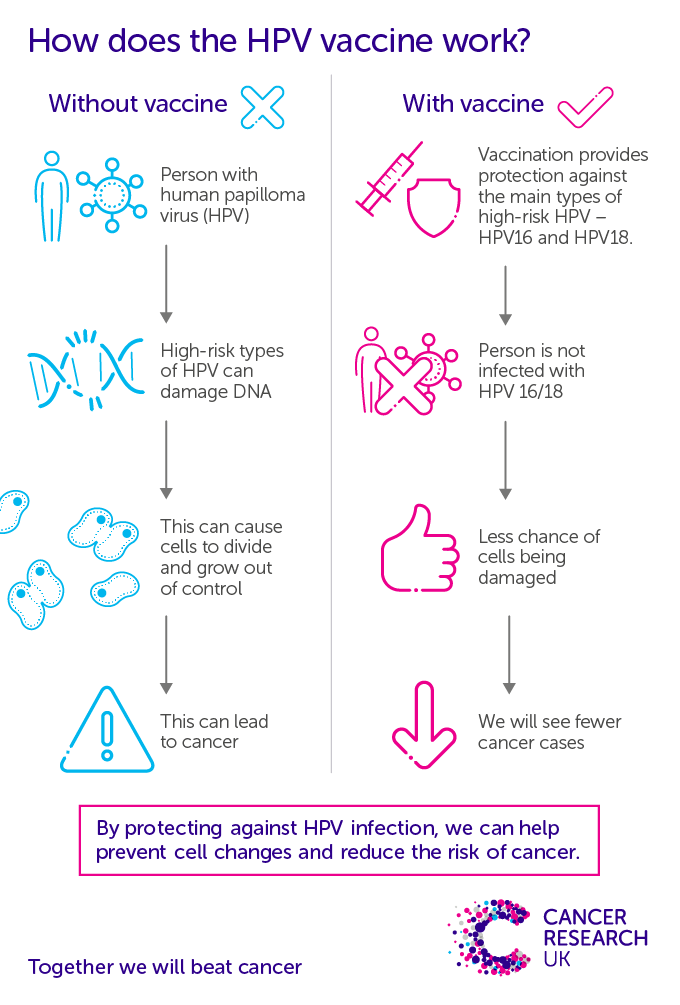
As a physician, I have followed the evolution of HPV immunization programs closely, and the data emerging from the UK’s national health system provides a compelling look at public health in action. By targeting the viral strains most frequently associated with cervical malignancy—specifically HPV 16 and 18—the vaccine effectively interrupts the progression from infection to precancerous lesions. The findings indicate that the benefits are most pronounced when administration occurs before the onset of sexual activity, ensuring that the immune system is primed to neutralize the virus upon potential exposure. You can review the full breakdown of these clinical outcomes via the official study published in The Lancet.
Understanding the Impact of HPV Immunization
The primary driver behind this success is the high uptake of the vaccine within the school-based cohort. According to reports from the Cancer Research UK, the immunization program in England achieved high coverage rates, which created a “herd effect” that protected not only the vaccinated individuals but also lowered the overall circulation of the virus in the community. When a critical mass of the population is protected, the opportunities for the virus to transmit are significantly diminished.

It is important to distinguish between the prevention of infection and the prevention of disease. The HPV vaccine does not treat existing infections but prevents new ones. Because cervical cancer often takes years to develop following an initial HPV infection, the dramatic reduction in cancer incidence among women in their 20s confirms that the vaccine is successfully blocking the early stages of oncogenesis. This shift has led major health organizations, including the World Health Organization, to advocate for expanded access to HPV vaccines as a cornerstone of global cervical cancer elimination strategies.
Clinical Efficacy and Public Health Policy
The data from the UK study is particularly robust because it tracks real-world outcomes rather than just laboratory response. By analyzing the medical records of thousands of women, researchers were able to quantify the reduction in cancer risk with high statistical confidence. The study noted that the risk reduction was highest—nearly 90%—for those vaccinated at age 12 or 13. For those vaccinated slightly later, between ages 16 and 18, the reduction in risk remained significant, though lower, at approximately 34%.
This variance highlights the necessity of early intervention. Public health policy in many European nations now prioritizes the pre-adolescent window for vaccination to maximize the immune response. In Germany, for instance, the Robert Koch Institute (RKI) continues to emphasize that timely vaccination is the most effective tool available for long-term cervical cancer prevention. These policy frameworks are designed to align with clinical timelines that minimize the window of vulnerability.
Addressing Common Questions About HPV Vaccination
Patients often ask whether vaccination removes the need for regular screenings. The medical consensus remains clear: vaccination and screening are complementary, not interchangeable. While the vaccine prevents the vast majority of cancer-causing HPV infections, regular screening via Pap smears or HPV DNA testing remains necessary to detect abnormalities that may have occurred prior to vaccination or from rare, non-vaccine-covered HPV strains. According to the Centers for Disease Control and Prevention (CDC), screening should continue according to national guidelines regardless of vaccination status to ensure comprehensive preventative care.
The safety profile of these vaccines has also been extensively documented. Large-scale post-marketing surveillance programs, such as those overseen by the European Medicines Agency (EMA), consistently show that the vaccines are well-tolerated, with side effects generally limited to mild, transient reactions at the injection site. For parents and young adults, understanding these safety metrics is as important as understanding the efficacy data when making health decisions.
What Happens Next in Cervical Cancer Prevention
The next phase of medical focus involves transitioning from regional success to global equity. While high-income countries have seen significant declines in cervical cancer rates, many regions still face barriers to vaccine access and screening infrastructure. The focus for international health agencies is now on strengthening immunization cold chains and integrating HPV testing into routine reproductive health visits.

As we look toward the future, the goal is to reach the WHO’s target of eliminating cervical cancer as a public health problem worldwide. This will require continued vigilance in monitoring vaccine effectiveness and adapting programs to address evolving viral strains. For those seeking the latest updates or local vaccination schedules, I encourage you to consult your national health ministry’s portal or discuss the options with your primary care physician during your next check-up. Please share your thoughts or questions in the comments section below, and stay tuned for further updates as new long-term data becomes available.
Keep reading