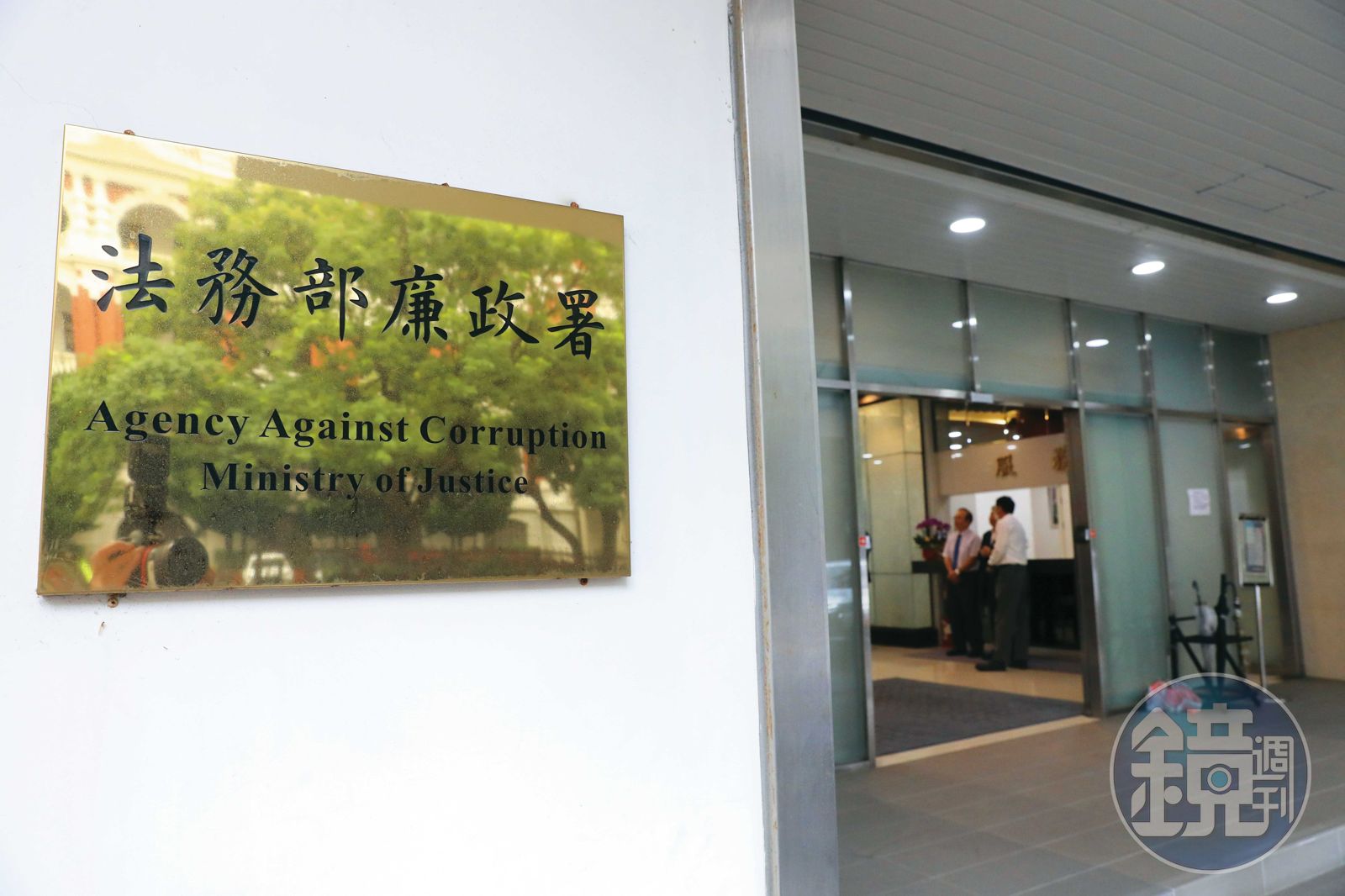
A recent scandal involving a senior official in Hualien County, Taiwan, has cast a harsh spotlight on the integrity of government ethics offices. The case, which involves allegations of sexual harassment and an attempt to manipulate administrative procedures to secure retirement benefits, has triggered a broader investigation by the Agency Against Corruption (AAC). This incident serves as a stark reminder of the challenges inherent in maintaining professional standards within local government departments, particularly when those tasked with upholding ethics are themselves the subjects of misconduct allegations.
The controversy centers on a former Hualien County government ethics official who allegedly coerced a junior female colleague into sharing a hotel room during a work-related trip. According to reports, the official claimed that budgetary constraints necessitated the shared accommodation—a justification that has been flatly rejected by subsequent administrative inquiries. The incident, which has been widely covered by local media, underscores a critical failure in the internal reporting and oversight mechanisms that are intended to protect government employees from workplace harassment.
The Anatomy of the Harassment Allegations
The allegations against the official detail a pattern of behavior designed to isolate and exploit a subordinate. The female employee, a new recruit, was reportedly informed by her superior that the department lacked the funding to provide separate rooms for a business trip. This “budgetary excuse” was used to facilitate a situation where the two were forced into a shared hotel room, an environment that the complainant described as highly uncomfortable and inappropriate.
Following the incident, the victim sought immediate assistance, leading to a formal complaint that eventually reached the attention of the Agency Against Corruption (AAC). The AAC, which operates under the Ministry of Justice, plays a pivotal role in maintaining the integrity of the civil service in Taiwan. As established by the Civil Service Ethics Act, all government employees are mandated to adhere to strict codes of conduct, and any breach of these standards—particularly involving sexual harassment—is subject to rigorous investigation and disciplinary action under the Gender Equality in Employment Act, which provides the legal framework for addressing such grievances in the workplace.
Regulatory Oversight and the Attempted Retirement Maneuver
Perhaps the most concerning aspect of this case, according to investigators, was the official’s alleged attempt to finalize his retirement despite the pending disciplinary proceedings. In many jurisdictions, including Taiwan, the process for granting retirement benefits is contingent upon the absence of active disciplinary investigations or criminal charges that could result in the forfeiture of pension rights. The official reportedly sought to expedite his departure from the civil service to avoid the potential consequences of the sexual harassment inquiry.

However, the Agency Against Corruption and the Hualien County government intervened to stall the process. According to official statements from the Hualien County government, the administration maintains a “zero-tolerance” policy regarding sexual harassment. The county government confirmed that the administrative investigation into the official’s conduct is ongoing, and that his request for retirement has been suspended in accordance with the Civil Service Retirement Act, which allows for the withholding of retirement benefits if an official is under investigation for serious misconduct.
This intersection of personnel policy and disciplinary oversight highlights the importance of robust internal controls. When an official attempts to bypass accountability by retiring, it not only undermines the justice process but also signals a potential weakness in the administrative checks and balances that prevent civil servants from evading their responsibilities.
Institutional Impact and Next Steps
The scandal has prompted a broader discussion in Hualien regarding the safety and well-being of young professionals entering the public sector. For many, the incident is not merely about one individual’s actions, but about the culture within government offices that might allow such behavior to occur without immediate intervention. The Hualien County government has stated that it is currently reviewing its internal training programs to ensure that all staff, regardless of rank, are fully aware of their rights and the procedures for reporting misconduct anonymously.

For those interested in the legal framework governing these issues, the Gender Equality in Employment Act provides specific protections and reporting channels for employees who experience harassment. The Ministry of Justice continues to oversee the conduct of ethics offices across the nation, and further updates on this case are expected as the administrative investigation concludes. The next phase will involve a formal review by the disciplinary committee, which will determine the final sanctions against the official, including the potential revocation of retirement privileges.
As this investigation moves toward its conclusion, it remains a test case for the efficacy of the current disciplinary system. We will continue to monitor the proceedings and provide updates as official rulings from the Hualien County government and the Agency Against Corruption are made public. If you or someone you know has been affected by workplace harassment, official resources are available through the local government’s labor and personnel departments, which are mandated to provide support and confidential guidance to all civil service personnel.
What are your thoughts on the accountability mechanisms within local government agencies? Share your perspective in the comments section below or join the conversation on our social media channels.
Worth a look