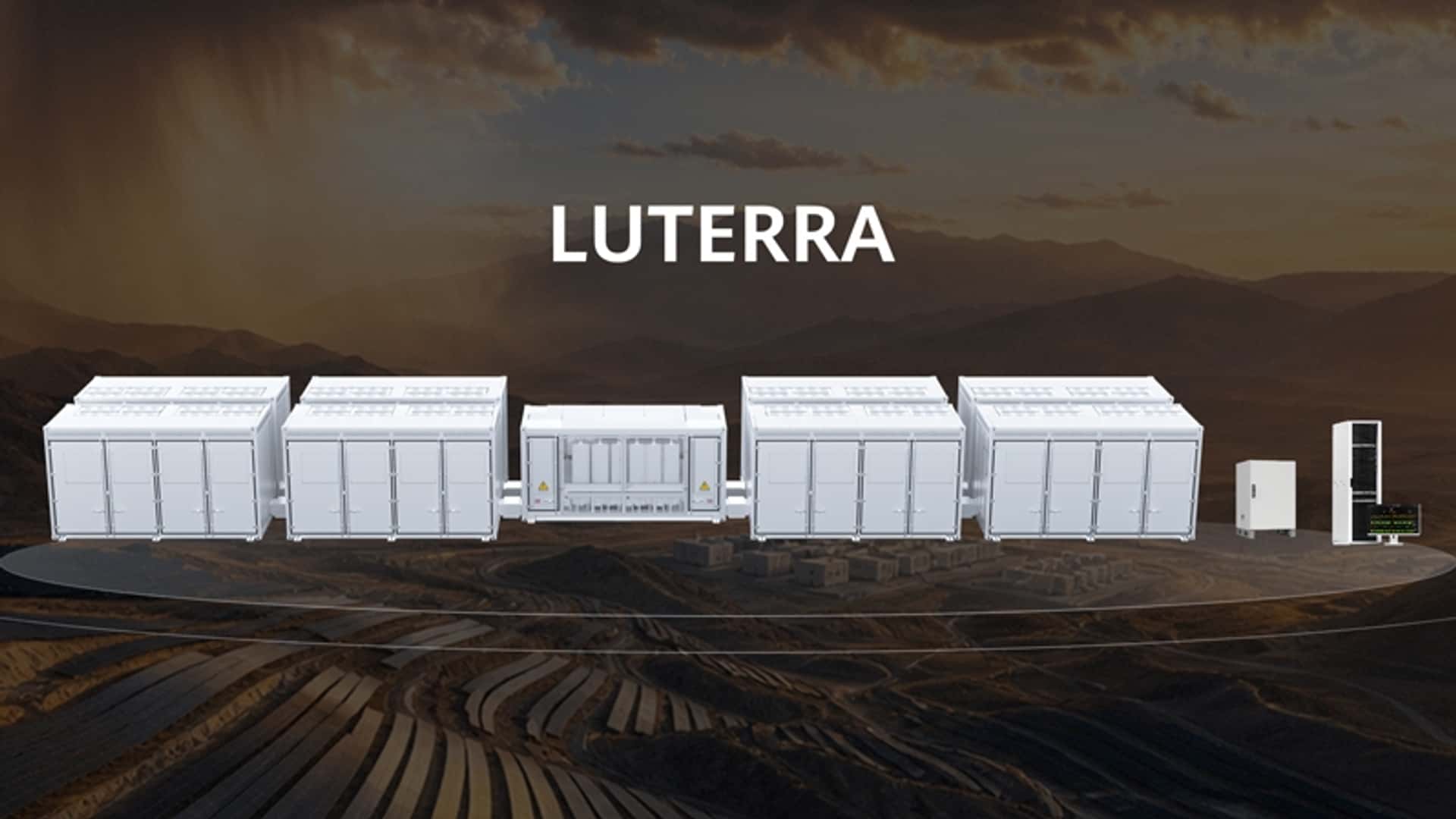
Huawei has officially introduced its new “Luterra” battery technology platform, a strategic development aimed at enhancing energy density and charging efficiency for electric vehicles. According to industry reports, this architecture marks a significant shift in how the company manages thermal regulation and cell integration within the battery pack, potentially setting a new benchmark for its automotive partners as the firm expands its influence in the smart mobility sector.
The Luterra platform is designed to address common limitations in electric vehicle (EV) battery performance, specifically targeting the balance between rapid charging capabilities and long-term thermal stability. By leveraging Huawei’s expertise in digital power systems and power electronics, the platform aims to optimize the chemical performance of battery cells through advanced management software. This approach mirrors the company’s broader strategy of integrating digital intelligence with traditional hardware, a method it has previously applied to its communication and consumer electronics divisions.
Technical Innovations in Luterra
At its core, the Luterra platform focuses on modularity and thermal management. Unlike traditional battery packs that often rely on static cooling solutions, Luterra incorporates dynamic, AI-driven thermal regulation that adjusts in real time based on driving conditions and charging speeds. This capability is intended to reduce degradation over the life of the battery, which is a primary concern for both manufacturers and end-users. Information from the company’s recent technical disclosures indicates that the platform architecture allows for higher energy density, meaning vehicles can potentially achieve longer ranges without increasing the physical size or weight of the battery pack.
Furthermore, the integration of Huawei’s proprietary battery management system (BMS) allows for more precise monitoring of individual cell health. By utilizing advanced algorithms, the system can identify potential imbalances before they result in performance drops. This level of digital oversight is critical as the industry moves toward 800-volt architectures, which require more robust safety and cooling standards to handle the increased power throughput during high-speed charging sessions.
Strategic Impact on the EV Market
Huawei’s move into battery platform development is part of its larger “Huawei Inside” strategy, where the company acts as a key technology supplier to various automotive manufacturers. By providing a standardized yet highly adaptable battery platform, Huawei aims to lower the barrier to entry for its partners, allowing them to focus on vehicle design and cabin experience while relying on Huawei for the underlying powertrain and energy management technology. This vertical integration is a direct response to the increasing competition in the global EV market, where battery performance is often the deciding factor for consumer adoption.
The introduction of Luterra positions Huawei as a direct competitor to established battery giants like CATL and BYD, although the company has framed its entry as a collaborative effort rather than a total replacement of existing supply chains. By offering a platform that can be integrated into diverse vehicle architectures, Huawei hopes to capture a significant share of the software-defined vehicle market. The company has not yet released a full list of initial partners for the Luterra platform, but analysts expect the first vehicles equipped with this technology to hit the market in the coming production cycles.
Future Outlook and Development
Looking ahead, the success of the Luterra platform will depend on its real-world performance metrics and the willingness of automotive OEMs to adopt a third-party battery management and architecture solution. The company has indicated that future iterations of the platform will focus on further reducing charging times, with the ultimate goal of achieving “refueling-like” experiences for drivers. These targets align with the broader industry trend toward ultra-fast charging infrastructure deployment.
As Huawei continues to refine its automotive portfolio, the market will be watching for the first independent performance tests of Luterra-equipped vehicles. Any verified efficiency gains will be critical for the company to solidify its reputation as a Tier-1 automotive technology provider. The company is expected to provide further technical documentation and partner updates at upcoming industry trade shows and quarterly investor briefings.
We encourage readers to share their thoughts on the evolution of battery technology in the comments section below. Stay tuned for further updates as more information regarding the Luterra platform’s rollout becomes available through official channels.