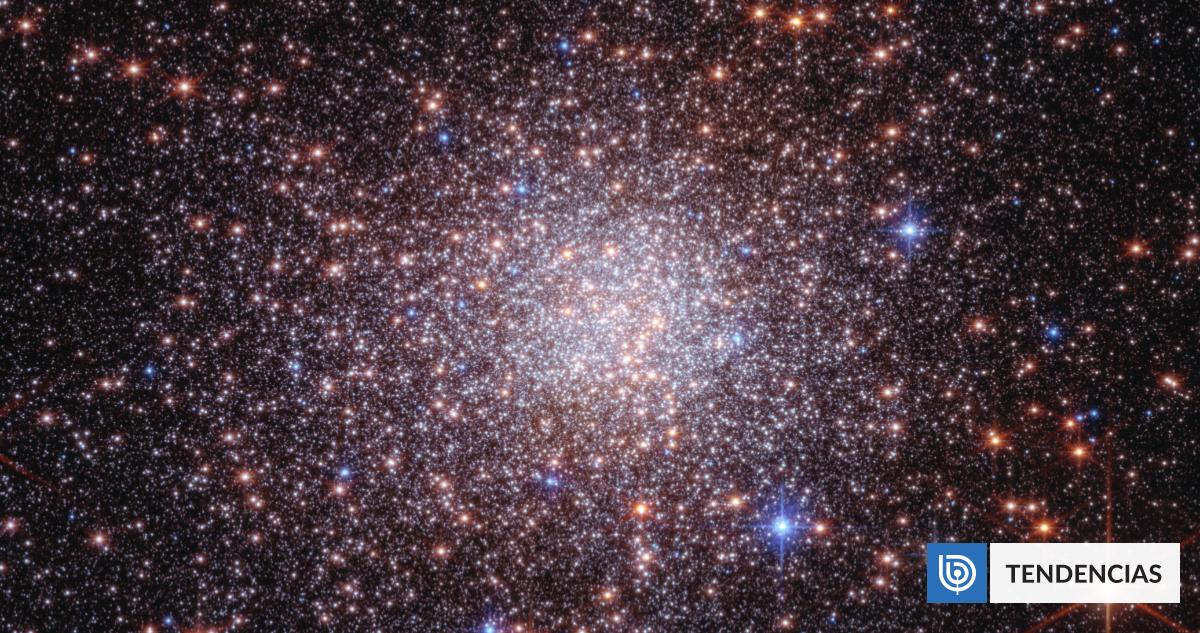
Astronomers using data from the Hubble and James Webb Space Telescopes have identified a mysterious class of celestial objects within the Milky Way that defy conventional classification. These entities, described by researchers as “much stranger” than previously cataloged stellar phenomena, exhibit characteristics that challenge existing models of stellar evolution and galactic composition. The discovery, which relies on high-resolution infrared and optical imaging, represents a significant shift in how scientists interpret the life cycles of stars in our home galaxy.
According to research published in the Monthly Notices of the Royal Astronomical Society, these objects—often referred to as “peculiar transients”—do not fit the profile of standard supernovae, novae, or known variable stars. By combining the deep-field capabilities of the James Webb Space Telescope (JWST) with the long-term observational archives of the Hubble Space Telescope, the international team was able to track the light signatures of these objects over several years, revealing behaviors that suggest either a unique physical mechanism or a previously unknown phase of stellar development.
Defining a New Class of Stellar Phenomenon
The core of this discovery lies in the light curves—the measurement of an object’s brightness over time—produced by these objects. Unlike standard stellar explosions, which typically follow a predictable decay pattern, these new entities demonstrate erratic fluctuations and unexpected spectral signatures that indicate the presence of complex, dense materials ejected during a non-terminal event. Researchers note that the infrared data provided by JWST was critical, as it allowed them to peer through the thick, dust-filled regions of the Milky Way where these objects reside.

Data analysis indicates that these objects undergo a “slow-burn” phase that lasts significantly longer than the rapid, violent collapse seen in typical supernovae. This suggests that the mass loss involved is not necessarily a precursor to total stellar destruction but rather a massive, episodic shedding of outer layers. This behavior has led some researchers to suggest that we are observing a “missing link” in how certain stars transition from their main-sequence life to their final states as white dwarfs or neutron stars.
Why Infrared Imaging Matters for Galactic Discovery
The Milky Way is notoriously difficult to map in the visible spectrum due to the vast amounts of interstellar dust that obscure distant light. The use of infrared telescopes has fundamentally changed the landscape of galactic astronomy. By capturing light with longer wavelengths, telescopes like the James Webb Space Telescope can “see” through this dust, providing a clear view of the galactic center and the dense spiral arms where these strange objects were found.
Previous efforts to identify these objects using visible light telescopes were largely unsuccessful because the dust effectively blocked or scattered the light signals. By comparing archival Hubble data—which focuses on the visible spectrum—with the new infrared observations from JWST, scientists were able to create a multi-wavelength map that confirmed the objects were not artifacts of sensor interference but actual, physical entities within the galaxy. This cross-referencing approach is now considered the gold standard for identifying rare stellar events.
The Impact on Modern Astrophysics
This discovery forces a re-evaluation of current stellar evolution theories. If these objects represent a common, albeit previously hidden, stage of stellar life, then current estimates of the rate of stellar death and gas recycling in the galaxy may need adjustment. The ejected material from these events is rich in heavy elements, which are the building blocks for future planetary systems.
Researchers are currently planning follow-up observations to determine the chemical composition of the material surrounding these objects. Understanding whether these events contribute significantly to the enrichment of the interstellar medium is a primary goal for the next cycle of telescope time. The ability to monitor these objects in real-time will allow astrophysicists to build a more accurate model of the chemical history of the Milky Way, helping to explain how galaxies evolve over billions of years.
Next Steps in Deep Space Observation
The scientific community expects further data to emerge as the James Webb Space Telescope continues its survey of the Milky Way’s obscured regions. The next major update is anticipated following the release of the upcoming JWST cycle of scientific papers, which will detail the spectroscopic analysis of these candidates. Researchers aim to determine if these objects are isolated cases or if they represent a widespread, overlooked population of stars.

As the investigation continues, the role of international collaboration remains essential in synthesizing the massive amounts of data flowing from these orbital observatories. If you found this update on galactic discoveries insightful, feel free to share this report or join the discussion in the comments section below regarding the evolving nature of our understanding of the universe.
Worth a look