
The European Union is moving toward a definitive break from its historical energy dependence on Moscow, establishing a strict timeline to eliminate Russian gas imports. This strategic shift comes as the bloc seeks to insulate its economy from geopolitical volatility and ensure that energy supplies can no longer be used as a tool for political leverage.
Under a landmark agreement reached by negotiators from the EU Council and the European Parliament, the European Union must completely cease the import of Russian gas by autumn 2027. This mandate is designed to cut off billions in revenues that fund the conflict in Ukraine and to establish a resilient, independent energy market that prioritizes security of supply across all member states.
The transition is not without friction. The agreement faced significant opposition from Hungary and Slovakia, reflecting the complex challenges faced by landlocked nations that have historically relied on Russian pipelines. However, the EU has outlined a legally binding, phased approach to the ban, covering both liquefied natural gas (LNG) and pipeline gas.
As the bloc navigates this transition, the landscape of energy procurement is shifting. Even as the EU pushes for a total ban, Russian President Vladimir Putin has recently suggested that Moscow remains open to supplying oil and gas to European buyers, provided such cooperation is long-term and free from political pressure—a stance that contrasts sharply with the EU’s legislative trajectory.
The Timeline for the Russian Gas Ban
The phase-out of Russian energy is structured around the type of contract and the method of delivery. The EU has established specific deadlines to ensure a gradual transition while maintaining energy security. For short-term contracts concluded before June 17, 2025, the ban on Russian LNG will take effect on April 25, 2026, while the ban on pipeline gas for these same contracts begins on June 17, 2026 according to the EU Council’s agreement.
Long-term contracts face a different schedule. The ban on the import of Russian LNG under long-term agreements will apply starting January 1, 2027. For gas delivered via pipelines under long-term contracts, the ban becomes effective on September 30, 2027. This ensures that the European Union completely terminates its reliance on Russian gas by the autumn of 2027.
To prevent loopholes, the EU Council emphasized that any amendments or supplements to existing contracts will be permitted only for strictly defined operational purposes and cannot be used to increase the volumes of gas imported.
Geopolitical Tension and Energy Markets
The push for energy independence is occurring against a backdrop of global market instability. In early March 2026, oil prices surged, crossing the $100 per barrel threshold for the first time since 2022. This spike followed attacks by the United States and Israel on Iran starting on February 28, 2026 as reported by TASR.
In response to these market shifts, Vladimir Putin stated that Russia is prepared to continue supplying oil to “reliable” partners in Asia, as well as to EU member states Hungary and Slovakia. Putin indicated that Moscow is open to stable, long-term cooperation with European companies and consumers, provided there is no political pressure on the Kremlin.
This offer follows calls from Hungarian Prime Minister Viktor Orbán for the European Union to suspend sanctions on Russian oil and gas to mitigate the price increases caused by conflict in the Middle East. However, the EU’s legislative path remains focused on a total decoupling from Russian energy sources.
Impact on Member States and Price Stability
The transition away from Russian gas has sparked debate regarding the potential for price hikes. Some officials have expressed concern that removing Russian supplies would drive up energy costs. However, energy experts suggest a different outlook. Nolan Theisen, an energy expert from the Slovak Society for International Affairs, has argued that claims of rising prices due to the absence of Russian gas are not supported by facts, suggesting instead that there may be a surplus of gas in the market as detailed in an analysis by Aktuality.sk.

Theisen notes that expensive natural gas can actually damage the competitiveness of the European Union. He advocates for a broader strategy: reducing the overall dependence on all fossil fuels and focusing instead on strengthening electrical infrastructure. This perspective suggests that the “alternative” to Russian gas is not necessarily another fossil fuel source, but a systemic shift toward electrification and renewable energy.
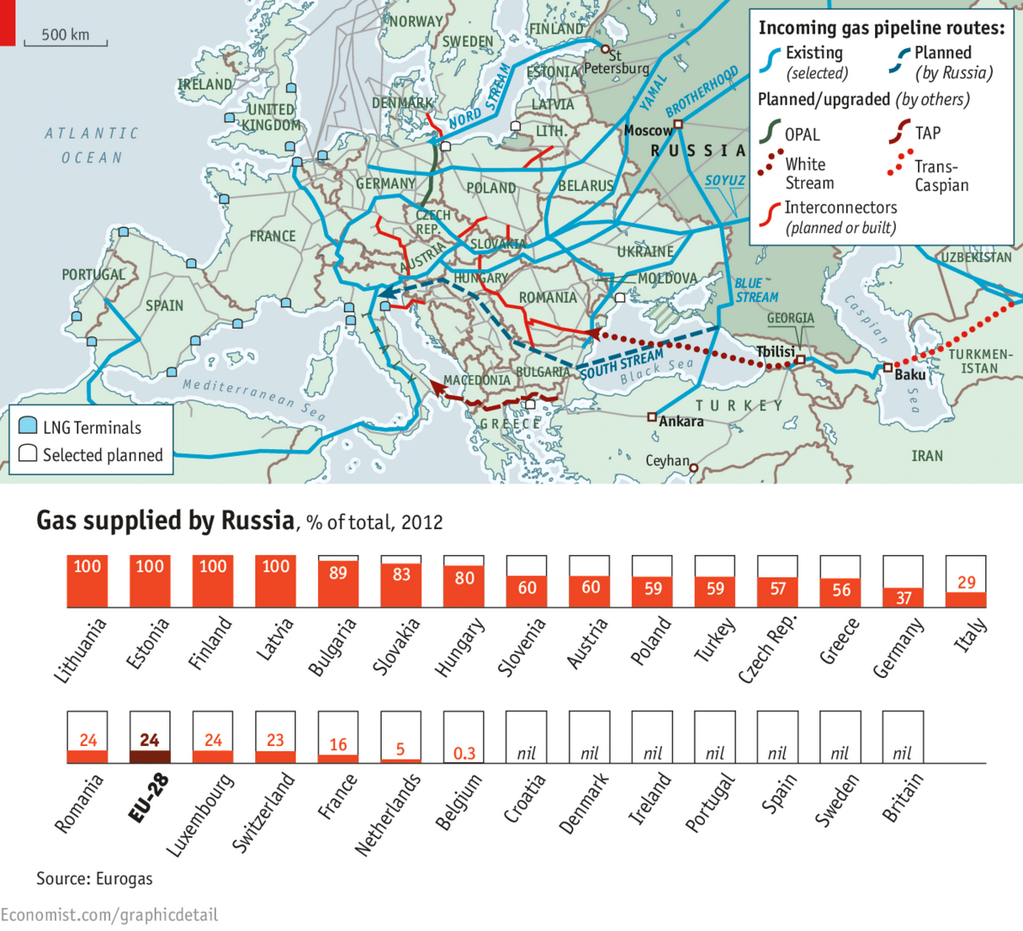
The impact of these policies is felt most acutely in Central Europe. In 2024, some EU countries, including Italy, the Czech Republic, and France, actually saw a 20 percent increase in their imports of natural gas, illustrating the complex and sometimes contradictory nature of energy procurement during the transition period.
Summary of Russian Gas Import Deadlines
| Contract Type | Delivery Method | Ban Effective Date |
|---|---|---|
| Short-term (pre-June 17, 2025) | LNG | April 25, 2026 |
| Short-term (pre-June 17, 2025) | Pipeline | June 17, 2026 |
| Long-term | LNG | January 1, 2027 |
| Long-term | Pipeline | September 30, 2027 |
The next critical phase for this policy involves the formal approval of the preliminary agreement by the member states within the EU Council and the members of the European Parliament. Once formally adopted, these dates will serve as the legal mandate for the complete cessation of Russian gas imports into the European Union.
We welcome your thoughts on the EU’s energy transition. Share this article or leave a comment below to join the discussion on European energy security.
Related reading