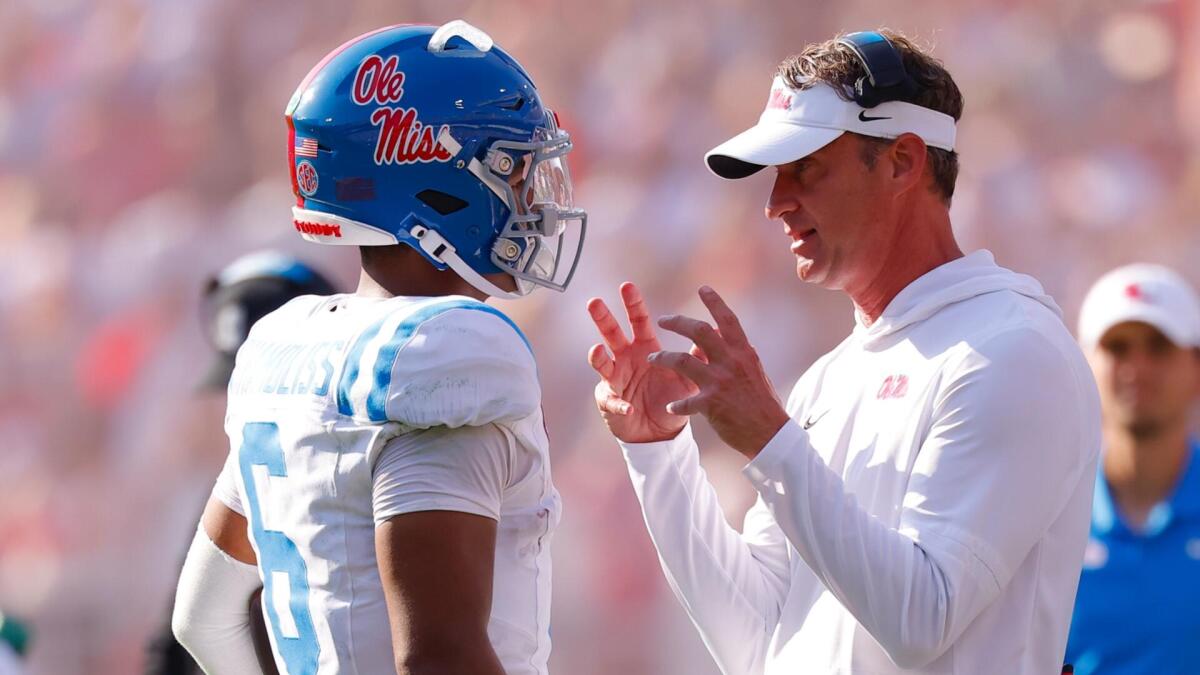
Ole Miss head coach Lane Kiffin faced direct criticism from former player Trinidad Chambliss over comments regarding the program’s recruiting challenges in Oxford, Mississippi. Chambliss disputed Kiffin’s public assertions that a lack of local demographic diversity hindered efforts to attract Black student-athletes to the Southeastern Conference university, setting off a sharp public debate over collegiate football roster construction and institutional culture in the American South.
The controversy emerged after Kiffin addressed the structural hurdles of recruiting talent to Lafayette County, pointing to regional demographics as a factor in landing elite prospects. According to local reporting and sports media analysis, those remarks drew immediate pushback from alumni and former athletes who argued that campus climate and institutional commitment play far larger roles in player acquisition than the surrounding geographic footprint.
Chambliss challenged the narrative directly, stating that the framing failed to reflect the true realities of modern athletic recruitment. While university athletic departments across the country continually evaluate how geographic and cultural factors influence high school prospects, public friction between former players and sitting head coaches remains a rare and closely watched development within the competitive landscape of SEC football.
Recruitment Realities and Oxford Demographics
University of Mississippi athletic officials operate in a state with a significant African American population, yet Oxford itself has historically maintained distinct demographic patterns compared to surrounding metropolitan hubs like Jackson or Memphis. Kiffin’s initial commentary suggested that these regional nuances create specific challenges when pitching major-program amenities to elite recruits evaluating national contenders.
Analysts note that major football programs invest heavily in player personnel departments, branding, and facilities to bridge potential gaps in local appeal. High-profile programs routinely draw talent from across state lines, relying on coaching pedigree, conference prestige, and professional development pipelines rather than hometown demographics alone.
Critics of the initial remarks, including Chambliss, emphasized that prospective student-athletes prioritize authentic relationship-building, player support systems, and inclusive environments over local population statistics. The exchange highlights ongoing conversations across collegiate athletics regarding how coaching staffs communicate with recruits and their families during high-stakes evaluation periods.
Broader Implications for SEC Programs
The debate lands during a period of intense roster management across collegiate sports, driven by the transfer portal, name, image, and likeness opportunities, and shifting recruiting calendars. SEC programs face unprecedented pressure to maintain competitive rosters while managing public perception and player relations.
Institutional accountability and messaging have taken center stage as athletic departments navigate complex social landscapes. Administrators and coaching staffs face heightened scrutiny over how they address player acquisition, community engagement, and team culture in public forums.
As athletic departments prepare for upcoming national signing periods and spring evaluations, programs continue to refine their messaging strategies. Observers across college football monitoring these developments await further institutional responses or policy clarifications from athletic leadership regarding recruitment outreach and team diversity initiatives.
Related reading