The fourth iteration of the Huichang Drama Season in Jiangxi province has officially concluded, serving as a high-profile demonstration of how cultural heritage can act as a primary engine for regional economic and social revitalization. By integrating traditional performing arts with modern development strategies, Huichang County is attempting to transform its local cultural assets into a sustainable model for high-quality regional growth.
The festival, which drew a diverse array of performers ranging from veteran folk singers to acclaimed contemporary actors, highlighted a strategic shift in how local governments in China approach rural and mid-sized urban development. Rather than relying solely on industrial expansion, the Huichang model emphasizes the “triple threat” of cultural enrichment, livelihood improvement, and industrial integration to foster long-term prosperity.
What is the Huichang Drama Season?
The Huichang Drama Season is an annual cultural event held in Huichang County, Jiangxi, designed to showcase a wide spectrum of theatrical and musical performances. The most recent edition, known as “Huichang Drama Season 004,” focused on bridging the gap between classical Chinese performing arts and contemporary audiences. The event is not merely a series of concerts but a coordinated effort to revitalize the local identity through the lens of drama and song.
The festival’s lineup featured notable figures who brought both prestige and diverse artistic styles to the county. Among the most prominent participants was the 76-year-old folk singer Hu Defu, whose presence underscored the event’s commitment to honoring veteran artists and traditional musical roots. The season also attracted high-profile talent such as actress Hao Lei, whose involvement helped elevate the festival’s profile from a local gathering to a significant cultural event with broader regional appeal.
By bringing together artists like Zhang Zhenlin, Yichen, Chen Handian, and others, the festival created a platform where different generations of performers could interact. This cross-generational exchange is a central component of the season’s mission: ensuring that traditional dramatic forms remain relevant in a rapidly modernizing society.
Integrating Culture with High-Quality Development
A recurring theme throughout the festival was the concept of “high-quality development,” a strategic framework used to describe growth that is sustainable, balanced, and focused on improving the standard of living rather than just increasing raw economic output. In Huichang, this is being achieved by linking the arts to three specific pillars: culture, livelihoods (minshang), and industry.
The “culture” pillar focuses on preserving the unique theatrical traditions of Jiangxi, which serve as the foundation for the region’s identity. However, the organizers are careful to ensure this culture does not become a static museum piece. Instead, it is treated as a living, breathing asset that can drive other sectors.
The “livelihood” aspect of the strategy aims to ensure that the benefits of the drama season extend to the local population. This includes creating jobs in event management, hospitality, and local commerce. As visitors arrive to witness the performances, they contribute to the local economy, supporting small businesses and service providers within the county. This creates a feedback loop where cultural success directly supports the economic well-being of the residents.
Finally, the “industrial” integration involves treating culture as a specialized industry. By developing “cultural tourism,” Huichang is building a sector that combines performance art with travel, lodging, and local product sales. This diversification of the local economy makes the region more resilient to fluctuations in traditional industrial sectors.
The Role of Nostalgia and the “Green Train” Sentiment
One of the more evocative elements of the recent cultural movement in Huichang is the sentiment of “bringing classics back home.” This is often symbolized by the imagery of the “green train”—a reference to the traditional, slower-paced rail travel that connects rural areas to major urban centers like Shanghai. This metaphor captures a growing trend where artists and students travel from major metropolitan hubs back to their ancestral homes to study, perform, and revitalize local traditions.
This movement represents a reversal of the typical urban-rural migration pattern. Instead of talent only flowing toward the megacities, there is a conscious effort to channel artistic energy and intellectual capital back into the provinces. For Huichang, this means that the drama season acts as a magnet, drawing people back to the county to engage with their heritage, thereby strengthening the social fabric and creating a sense of continuity between the past and the present.
This “return to roots” strategy serves several purposes:
- Talent Retention: Encouraging local youths to engage with traditional arts as a viable career path.
- Cultural Preservation: Ensuring that specific regional dialects and performance styles are passed down through active practice.
- Social Cohesion: Using shared cultural experiences to foster a sense of community pride among residents.
Why Cultural Tourism Matters for Jiangxi’s Future
The success of the Huichang Drama Season provides a blueprint for other regions in Jiangxi and across China that are seeking to revitalize through non-industrial means. As traditional manufacturing and heavy industry face shifting global demands, the “experience economy”—driven by tourism, arts, and unique local experiences—offers a potent alternative.
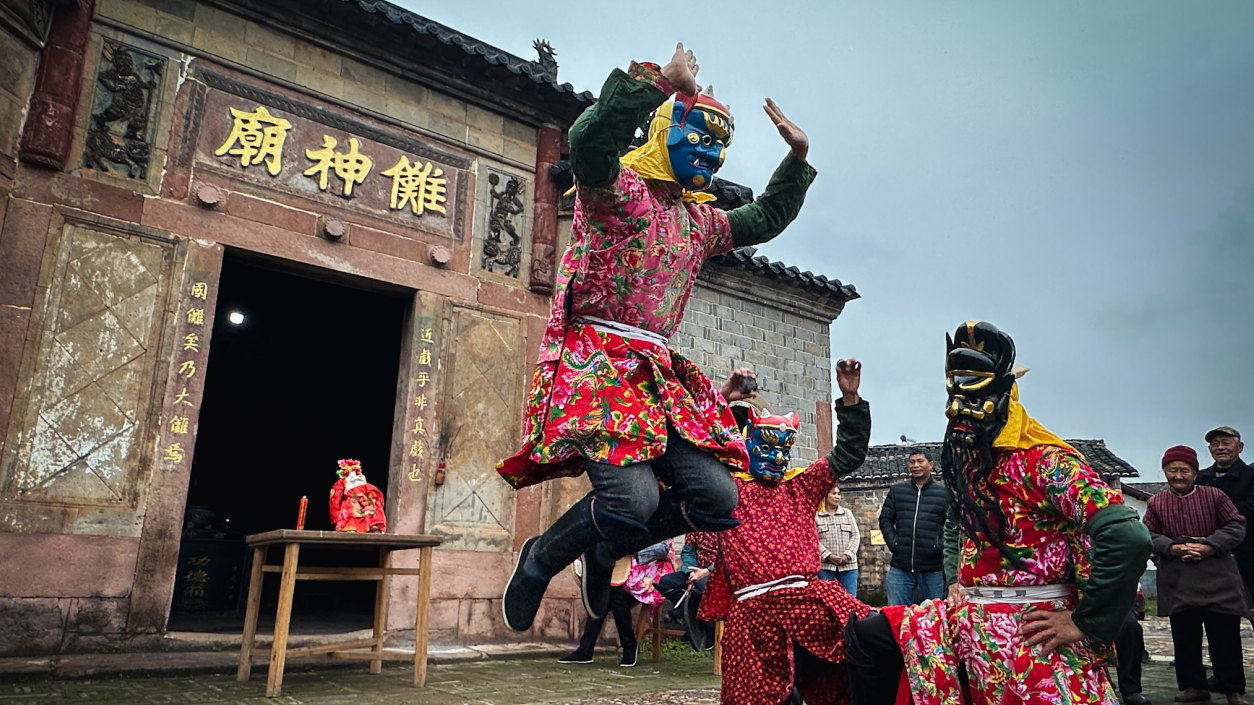
Cultural tourism is uniquely positioned to provide high-value growth because it relies on intangible assets that cannot be easily replicated by other regions. A specific style of Jiangxi opera or a local folk song is a unique competitive advantage. When a county like Huichang successfully packages these assets into professional festivals, it creates a “brand” that attracts high-spending visitors and long-term investment.
However, the challenge remains in maintaining the balance between commercialization and authenticity. The Huichang approach attempts to mitigate this by involving genuine local stakeholders and prioritizing the “high-quality” aspect of development, ensuring that the pursuit of tourism revenue does not erode the very culture that attracts visitors in the first place.
As the 4th Huichang Drama Season draws to a close, the focus will likely shift to assessing the economic impact of the event and planning the logistics for the 5th season. Local officials and cultural planners will be looking at visitor numbers, local business revenue increases, and the long-term engagement levels of the local community to refine their strategy for future years.
What do you think about the impact of cultural festivals on local economies? Can art truly drive industrial growth? Let us know your thoughts in the comments below and share this article with your network.
Keep reading