
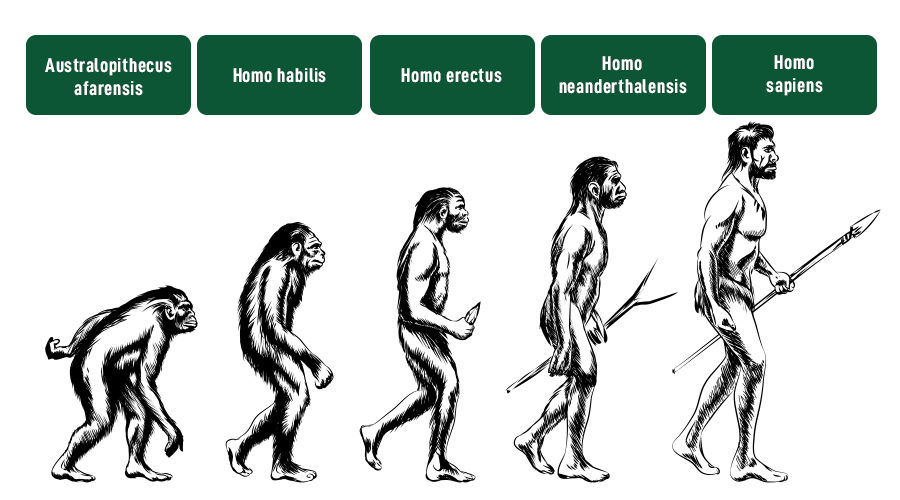
For decades, a common narrative in evolutionary biology suggested that human development had largely plateaued, with our species remaining biologically static for tens of thousands of years. However, recent genomic research is fundamentally reshaping this understanding, revealing that human evolution is not only active but continues to leave visible, measurable marks on our bodies. From the high-altitude plateaus of the Andes to the dairy-farming history of various global populations, our DNA is actively adapting to the challenges of our environments.
This ongoing process of biological change—often referred to as recent human evolution—challenges the long-held notion that our species stopped evolving in prehistory. Instead, modern genome studies suggest that human populations have undergone profound adaptations in response to specific environmental pressures, including extreme climates, dietary shifts, and the constant threat of infectious diseases. These findings are providing a new, dynamic view of how we continue to shape our own biological future.
Adaptation in Extreme Environments
One of the most striking examples of modern evolutionary change can be found among Indigenous peoples in the Bolivian highlands. For approximately 10,000 years, these populations have resided at altitudes where oxygen levels are roughly 35 percent lower than at sea level, a setting that ranks among the most challenging environments inhabited by humans. Scientists have determined that these residents have developed specific genetic adaptations to thrive in such thin air, allowing them to survive and reproduce in conditions that would be debilitating to others.
Research published in Scientific American highlights that these populations have also developed a unique biochemical defense against local environmental toxins. In the volcanic bedrock of the Andes, arsenic levels are naturally high and frequently leach into the water supply. While inorganic arsenic is typically linked to severe health risks, including cancer and diabetes, the Uru, Aymara, and Quechua peoples have evolved variants around the AS3MT gene. This genetic adaptation allows them to efficiently metabolize and break down arsenic in the liver, effectively turning a lethal environmental hazard into a manageable biological hurdle.
The Evolution of Diet and Disease Resistance
Beyond extreme geography, shifts in human culture—such as the domestication of animals—have also served as powerful catalysts for natural selection. A prominent example is the development of lactose tolerance. Historically, most humans lost the ability to digest lactose after weaning. However, genetic research indicates that roughly 35 percent of adults worldwide now possess a specific variant that allows for lifelong lactose digestion. This trait became widespread only after human societies began domesticating animals and incorporating milk into their diets, proving that our cultural behaviors can directly influence our biological trajectory.
Infectious diseases have played an equally critical role in shaping the modern human genome. Evolutionary biologists, such as Sarah Tishkoff at the University of Pennsylvania, have highlighted how resistance to diseases like malaria acts as an ongoing evolutionary driver. In sub-Saharan Africa, where malaria remains a significant health burden, certain populations have developed genetic variants that provide protection against the infection. Those who carry these protective traits are more likely to survive and pass these advantages to their offspring, illustrating a clear-cut case of natural selection in the modern age.
What This Means for the Future
The evidence gathered from genomic studies suggests that the pace of human evolution may be more dynamic than previously recognized. By examining the frequency of specific DNA sequences—which may be rare in some parts of the world but predominant in others—researchers are uncovering the intricate ways in which our species continues to adapt. This field of study not only deepens our understanding of human history but also offers critical insights into how different populations respond to disease, diet, and environmental stress.
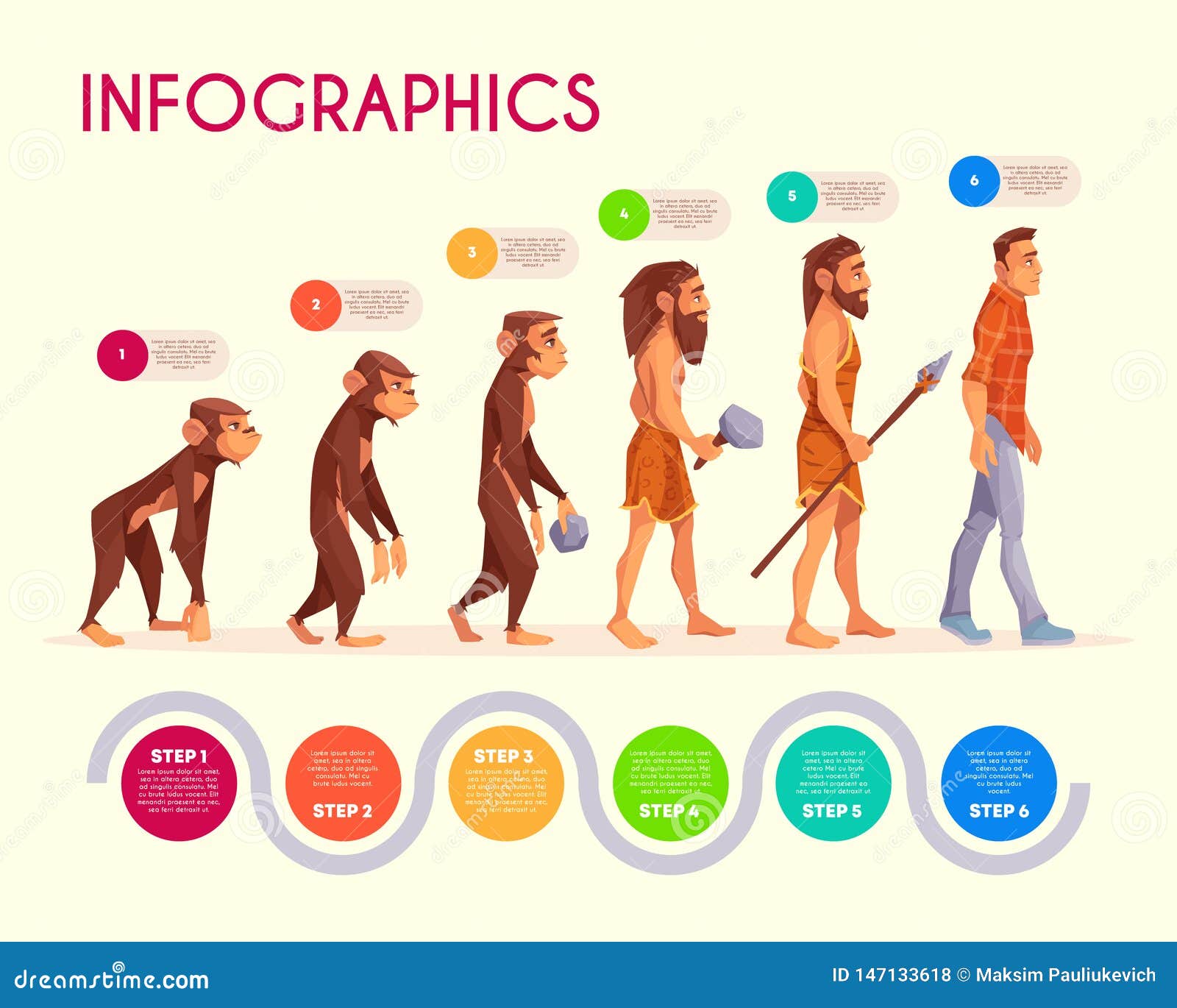
As genome sequencing technology continues to advance, the ability to track these evolutionary changes in real-time will likely lead to further discoveries. These studies remind us that the human body is not a static blueprint but a work in progress, constantly responding to the pressures of the world around us. Whether through the adaptation to high-altitude oxygen levels or the development of metabolic resistance to environmental toxins, our DNA remains a living record of our ongoing journey as a species.
As this area of research continues to evolve, further findings are expected to emerge from ongoing longitudinal genome studies. Readers interested in the latest developments in evolutionary biology and human genetics can look for updates from major academic institutions and peer-reviewed scientific journals as new data becomes available. We invite you to share your thoughts on these findings in the comments section below.
Keep reading