
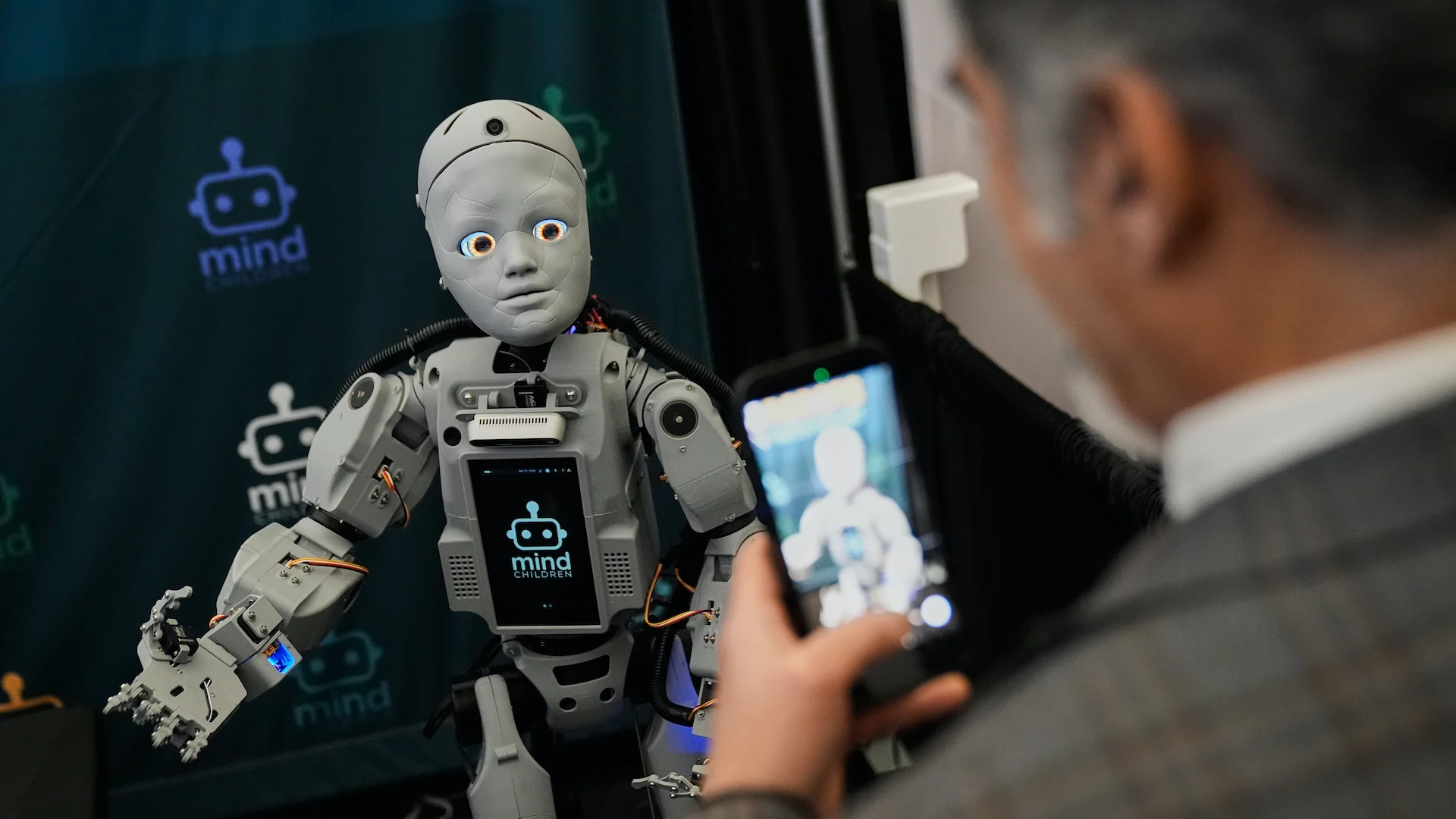
The Rise of Humanoid Robots: From Sci-Fi to Silicon Valley Reality
For decades, robots have lingered in the realm of science fiction, often dismissed by investors as too complex and costly. But something has shifted. The explosive growth of artificial intelligence (AI) is breathing new life into the long-held dream of creating humanoid robots – machines capable of moving and interacting with the world much like we do. Are we on the cusp of a robotics revolution?
This isn’t just hype. A recent gathering at the Humanoids Summit, spearheaded by venture capitalist Modar Alaoui, brought together over 2,000 robotics engineers from industry giants like disney and Google, alongside numerous startups. The message was clear: the belief that physical embodiments of AI – humanoids, specifically – are poised to become commonplace is gaining serious traction.
Why Now? The AI Catalyst
The key ingredient fueling this change is, undoubtedly, AI. Historically, robotics struggled with the “perception-action” problem – enabling robots to accurately understand their surroundings and respond appropriately. Advances in machine learning, computer vision, and natural language processing are finally providing the necessary “brains” for these machines.
* AI-Powered Perception: Robots can now “see” and interpret their surroundings with increasing accuracy.
* Sophisticated Motor Control: AI algorithms allow for more fluid and human-like movements.
* Adaptive Learning: Robots are learning to adapt to new situations and improve their performance over time.
According to a recent report by Research and Markets (November 2024), the global humanoid robot market is projected to reach $13.7 billion by 2030, growing at a CAGR of 22.8% from 2024. This demonstrates a significant shift in investor confidence and market potential.
Beyond Entertainment: The Potential of Humanoid Robots
While entertaining robots like Disney’s autonomous Olaf – soon to roam Disneyland parks in Hong Kong and Paris – capture the inventiveness, the ultimate goal extends far beyond amusement. The real promise lies in creating “general purpose” robots capable of contributing meaningfully to workplaces and homes.
Think about these potential applications:
* Manufacturing & Logistics: Handling repetitive tasks, assisting with assembly, and navigating complex warehouse environments.
* Healthcare: Providing companionship to elderly individuals, assisting surgeons, and delivering medication.
* customer Service: Acting as greeters, providing data, and assisting customers in retail settings.
* Hazardous Environments: Performing tasks in dangerous situations, such as disaster relief or nuclear cleanup.
However, achieving this vision isn’t without its challenges.
The Hurdles to Overcome
Despite the excitement, skepticism remains. Building truly human-like robots is incredibly difficult. Here are some key obstacles:
* Cost: Humanoid robots are currently expensive to develop and manufacture.
* Complexity: Integrating all the necessary hardware and software is a massive engineering undertaking.
* Energy Efficiency: Powering these complex machines requires significant energy resources.
* Dexterity & Manipulation: Replicating the fine motor skills of a human hand remains a major challenge.
* Ethical Considerations: As robots become more sophisticated, questions about job displacement and AI safety become increasingly vital.
What’s Next? A Timeline for Adoption
So,when can you expect to see humanoid robots becoming a regular part of daily life? The consensus is that widespread adoption is still several years away.
Here’s a realistic outlook:
- Near Term (1-3 years): Continued development of specialized robots for specific tasks in controlled environments (e.g., warehouses, factories).
- Mid Term (3-7 years): Increased deployment of robots in customer service roles and limited healthcare applications.
- Long Term (7+ years): Potential for more general-purpose robots to enter homes and workplaces, but significant technological breakthroughs will be required.
Alaoui believes the question isn’t if humanoids will become the norm, but when.
Evergreen Insights: The Evolution of Robotics
The pursuit of artificial humans dates back centuries, from ancient automatons to the mechanical creations of the Renaissance. However, the modern robotics revolution truly began in the mid-20th century with the development of industrial robots. These early machines were primarily focused on automating repetitive tasks in manufacturing.
The key difference today is the integration of AI.
![Best Online Ticket Sites: Find Deals & Avoid Scams [2024]](https://i0.wp.com/www.rollingstone.com/wp-content/uploads/2025/02/the-inferno-is-still.jpg?resize=150%2C150&ssl=1 "Best Online Ticket Sites: Find Deals & Avoid Scams [2024]")




