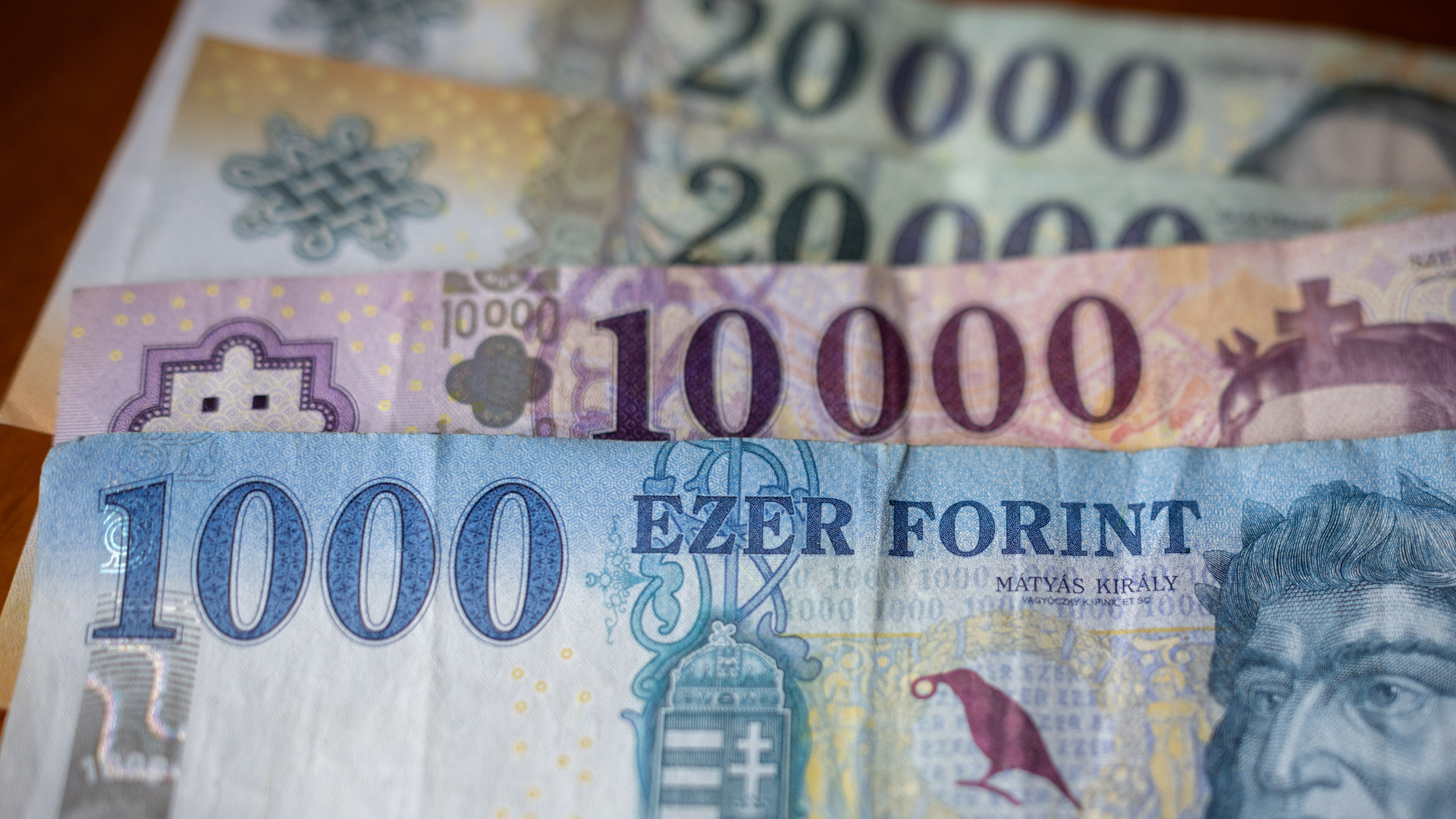
The Hungarian forint’s exchange rate remains volatile and unpredictable, with analysts stating there is no fixed limit or “carved in stone” ceiling on how far the currency can depreciate. According to András Kármán, a market analyst, the currency’s trajectory depends on a complex interplay of monetary policy, geopolitical risks, and the European Union’s funding schedule.
Market volatility has intensified as the Magyar National Bank (MNB) manages the balance between inflation control and currency stability. The forint is currently sensitive to shifts in the Eurozone’s interest rate environment and the ongoing disputes between Budapest and Brussels over the release of frozen EU funds. These factors create a high-risk environment where traditional technical supports may not hold.
The current state of the Hungarian economy is characterized by a struggle to lower inflation while maintaining a competitive exchange rate. According to data from the Magyar National Bank, the central bank uses a combination of interest rate adjustments and occasional foreign exchange interventions to prevent a disorderly slide of the forint.
Monetary Policy and the Forint’s Volatility
András Kármán emphasizes that the forint does not have a predetermined floor. In the current economic climate, the currency reacts sharply to news regarding the European Central Bank (ECB) and the U.S. Federal Reserve. When these institutions signal a “higher for longer” approach to interest rates, it typically puts pressure on emerging market currencies, including the forint.

The MNB’s strategy involves managing the “real” exchange rate to ensure that Hungarian exports remain competitive without triggering a spiral of imported inflation. If the forint weakens too rapidly, the cost of imported energy and raw materials rises, which in turn pushes up domestic prices. This creates a policy dilemma: a strong forint helps fight inflation but hurts exporters, while a weak forint supports growth but fuels price hikes.
Analysts observe that the forint often behaves as a “proxy” for regional risk. When geopolitical tensions in Eastern Europe escalate, investors frequently move capital out of the region, leading to a sell-off of the forint regardless of the country’s internal economic fundamentals. This external pressure makes it difficult for the MNB to maintain a stable peg or target.
The Impact of EU Funding and Political Risk
A primary driver of the forint’s instability is the uncertainty surrounding the disbursement of EU Recovery and Cohesion funds. The European Commission has frozen billions of euros due to concerns over the rule of law in Hungary. According to official European Commission reports, the release of these funds is contingent upon Hungary meeting specific milestones related to judicial independence and public procurement transparency.

The market views the arrival of these funds as a massive liquidity injection. A sudden influx of euros would naturally strengthen the forint. Conversely, the continued delay or the threat of permanent loss of these funds acts as a weight on the currency. Kármán notes that the market often “prices in” the expectation of these funds, leading to sharp corrections when political negotiations stall.
This political risk premium means the forint often trades at a discount compared to what its economic indicators might suggest. Investors demand a higher return for holding the currency to compensate for the risk of sudden political shifts or sanctions from the EU.
Inflation Dynamics and Interest Rate Differentials
Hungary has faced some of the highest inflation rates in the European Union over the last two years. To combat this, the MNB implemented aggressive interest rate hikes. However, the effectiveness of these hikes depends on the “interest rate differential”—the gap between Hungarian rates and those of the Eurozone.
If the ECB raises rates while the MNB begins to cut them to stimulate growth, the attractiveness of the forint decreases. This “carry trade” dynamic can lead to a steady depreciation of the currency. According to Eurostat, inflation trends in the region remain a critical metric for investors deciding whether to hold forints or switch to more stable assets like the US Dollar or Euro.
The risk of a “currency crash” is mitigated by the MNB’s foreign exchange reserves, but these reserves are not infinite. The central bank must carefully time its interventions to avoid wasting resources on a trend that is driven by global macroeconomic forces rather than local speculation.
What This Means for Businesses and Consumers
For Hungarian businesses, particularly those relying on imported components, the lack of a “ceiling” on the forint’s decline means that hedging becomes essential. Companies cannot assume a maximum exchange rate for their budgeting processes. A sudden 5% or 10% drop in the currency can instantly erase profit margins for importers.

For consumers, a weakening forint manifests as “imported inflation.” When the forint loses value, the price of fuel, electronics, and foreign travel increases. This creates a feedback loop where the cost of living rises, prompting demands for higher wages, which can further fuel inflation.
Investors in the Hungarian bond market are also affected. While high yields are attractive, they are offset by the risk of currency depreciation. If the forint drops significantly, the total return in foreign currency terms can become negative, leading to capital flight.
Future Outlook and Market Checkpoints
The trajectory of the forint will likely be determined by three key factors in the coming months: the timing of the next MNB interest rate decision, the progress of the “conditionality mechanism” negotiations with the European Commission, and the stability of energy prices in Europe.
Market participants are closely watching for any official announcements regarding the “unfreezing” of EU funds, as this would be the most immediate catalyst for a significant appreciation of the currency. Without such a catalyst, the forint remains vulnerable to the broader volatility of emerging market assets.
The next major checkpoint for the currency will be the release of the latest Consumer Price Index (CPI) data and the subsequent policy statement from the Magyar National Bank, which will signal whether the bank intends to prioritize inflation targets or currency support.
We invite our readers to share their perspectives on the forint’s stability and how it is affecting their businesses in the comments section below.