
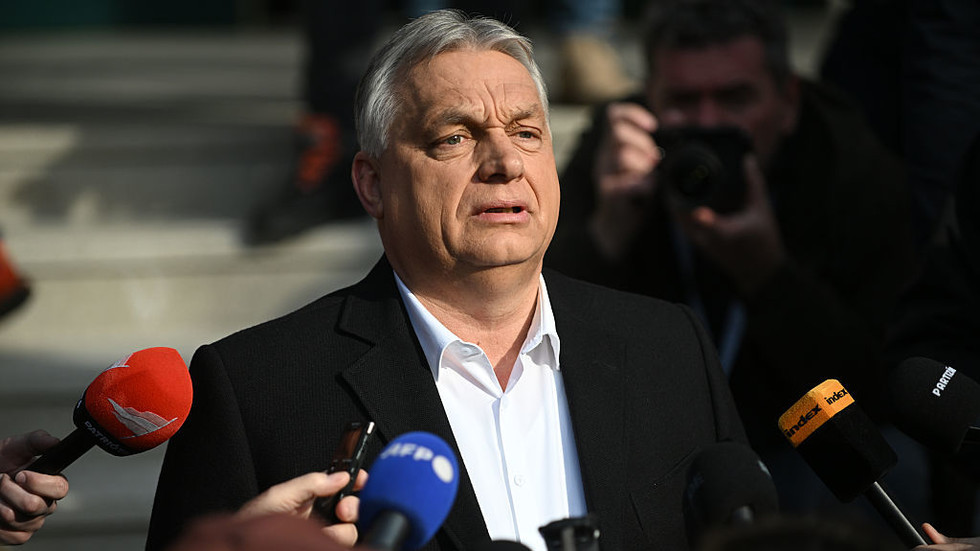
In a political earthquake that has sent shockwaves through Central Europe, Magyar beats Orban in a decisive victory that brings an abrupt end to nearly two decades of right-wing populist rule in Hungary. The parliamentary elections held on Sunday, April 12, 2026, saw the Tisza party, led by former Fidesz member Péter Magyar, secure a landslide victory, effectively ousting Prime Minister Viktor Orbán after 16 years in power according to The Guardian.
The results represent more than just a change in leadership; they signal a fundamental shift in Hungary’s domestic governance and its geopolitical alignment. With a projected super-majority in the National Assembly, Péter Magyar is now the Prime Minister designate, poised to lead a country that has spent the last 16 years increasingly at odds with its Western allies via Wikipedia.
The atmosphere in Budapest was one of jubilation as tens of thousands of supporters gathered along the banks of the Danube river to celebrate the result. For many, the victory of the Tisza party is viewed as a liberation from the “grip” of the Fidesz party, which had dominated Hungarian politics since 2010 as reported by The Guardian.
The Numbers: A Historic Mandate
The scale of the victory is underscored by the official vote counts. According to results released by Al Jazeera, the centre-right Tisza party secured 53.6 percent of the vote, translating into 138 seats in the 199-seat parliament via Al Jazeera. This gives Magyar a two-thirds majority, a critical threshold in Hungarian politics that allows the governing party to amend the constitution and pass key laws without the support of opposition parties.
In contrast, Viktor Orbán’s Fidesz party suffered a devastating blow, taking only 37.8 percent of the vote and securing 55 seats via Al Jazeera. The extreme-right Mi Hazánk party fared even worse, winning just six seats according to The Guardian.
Viktor Orbán conceded defeat shortly after the polls closed, describing the result as “painful but unambiguous” via The Guardian. In a statement to his supporters in Budapest, the outgoing Prime Minister noted that Fidesz would now “serve the Hungarian nation and our homeland from opposition as well” as reported by The Guardian.
Who is Péter Magyar?
The rise of Péter Magyar is one of the most rapid political ascents in modern European history. Born in 1981, Magyar is a lawyer and politician who was once an insider within the extremely system he has now dismantled. He was previously a member of Fidesz, the party he just defeated, but he garnered nationwide attention in February 2024 when he publicly resigned from all government-related positions via Wikipedia.
Magyar’s break from the government came amidst a presidential pardon scandal, during which he expressed deep dissatisfaction with how Fidesz was governing the country via Wikipedia. Since then, he has pivoted from a government loyalist to the face of the opposition, eventually becoming the president of the Tisza Party on July 22, 2024 via Wikipedia.
Beyond his domestic efforts, Magyar has served as a member of the European Parliament since July 16, 2024, providing him with a platform to engage with EU leadership and build the international credibility necessary to challenge Orbán’s dominance via Wikipedia.
What Happens Now: The Road Ahead for Hungary
With the 2026 Hungarian parliamentary election concluded, the focus now shifts to how Magyar intends to implement his platform. During his campaign, Magyar pledged to prioritize three main pillars: cracking down on corruption, increasing funding for long-neglected public services, and repairing the strained relationship between Budapest and Brussels via The Guardian.
Mending Ties with the European Union
For years, Hungary has been the “black sheep” of the EU, frequently clashing with the European Commission over the rule of law, judicial independence, and democratic standards. The victory of the Tisza party is likely to reshape these ties significantly. Because Magyar holds a super-majority, he has the legislative power to reverse many of the changes made by Orbán and Fidesz, which could potentially unlock EU funds that were previously frozen due to concerns over democratic backsliding as reported by The Guardian.
Geopolitical Shifts: Russia and the West
The international community is closely watching the transition. Viktor Orbán maintained a uniquely close relationship with Russia and was an ideological ally of the MAGA movement in the United States. In fact, U.S. Vice President JD Vance had visited Hungary prior to the election to shore up support for Orbán via Al Jazeera.
Magyar’s victory is expected to move Hungary back toward a more conventional pro-EU and pro-NATO stance. In his victory speech, Magyar emphasized that “truth prevailed over lies” and claimed that his victory had “liberated Hungary” from the era of Orbán via Al Jazeera.
Key Takeaways from the 2026 Election
- End of an Era: Viktor Orbán’s 16-year rule has ended following a landslide defeat via The Guardian.
- Tisza Dominance: Péter Magyar’s Tisza party won 138 of 199 seats, securing a super-majority via Al Jazeera.
- Fidesz Collapse: The former ruling party was reduced to 55 seats via Al Jazeera.
- EU Outlook: The new government is expected to repair ties with the EU and potentially reverse constitutional changes to unlock funding via The Guardian.
- New Leadership: Péter Magyar, a former Fidesz member and MEP, is the Prime Minister designate via Wikipedia.
As Hungary prepares for the transition of power, the global community remains attentive to whether this shift will lead to a more integrated European Union or if the internal challenges of reforming a state after 16 years of populist rule will prove more demanding than the election results suggest. The next official checkpoint will be the formal appointment of the new government and the first session of the National Assembly, where Magyar will likely initiate the process of constitutional reform.
Do you believe this shift in Hungary will lead to a more unified European Union? Share your thoughts in the comments below or share this article on social media to join the conversation.