Navigating Storm Season: Supporting Children’s Mental Wellbeing
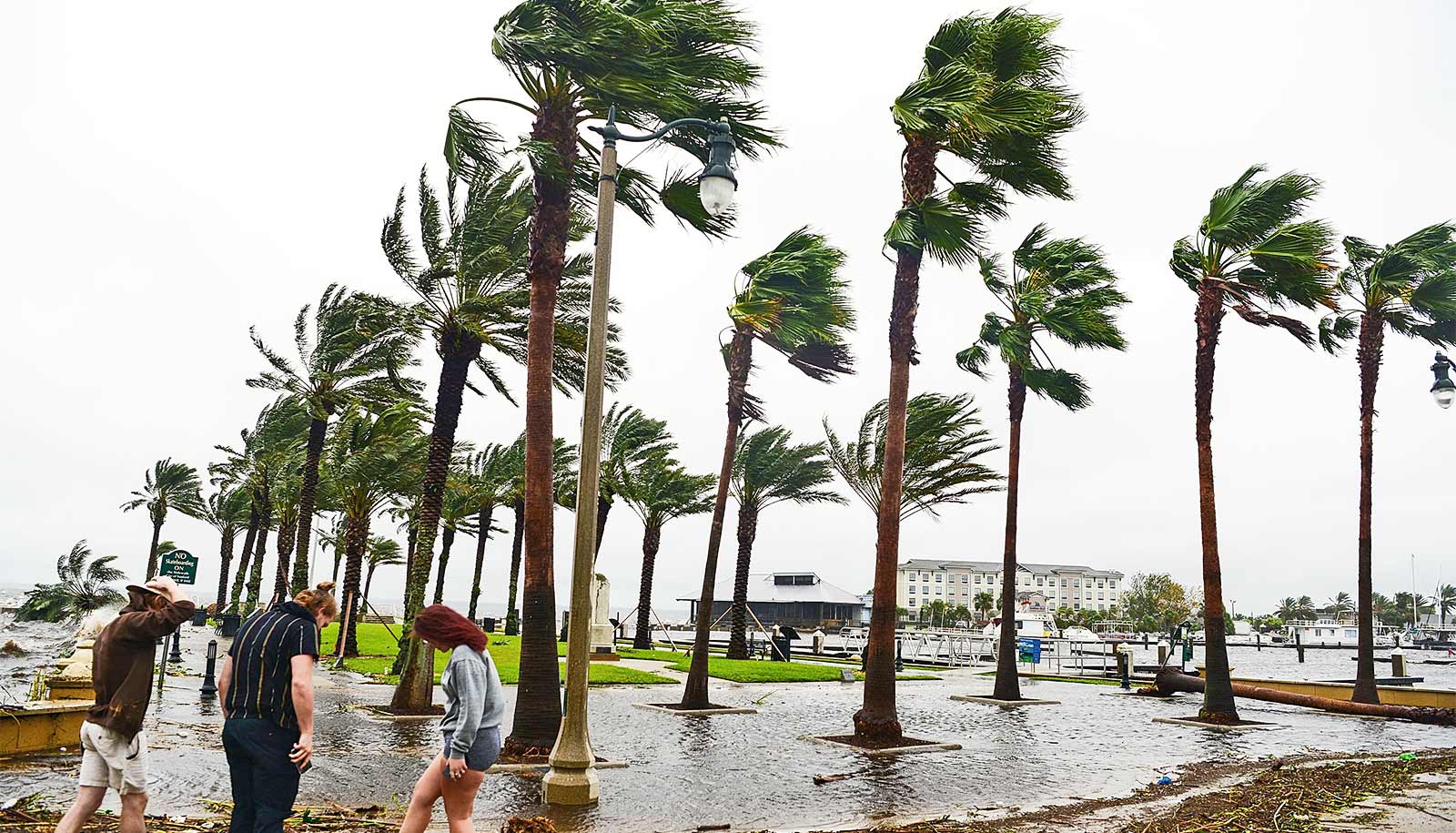
Hurricane season is approaching, and with it, the potential for anxiety – not just for those familiar with these storms, but for all children and young adults. It’s natural to feel worried when facing a powerful weather event, and understanding how to support young minds is crucial. Here’s guidance from leading experts in child psychology and disaster mental health.
Understanding the Impact
Severe weather can trigger a range of emotional responses in children. These can include fear, sadness, difficulty sleeping, and increased clinginess. Repeated exposure to storms can even contribute to longer-term anxiety and depression. Recognizing these reactions is the first step in providing effective support.
Decades of Research: A Foundation of Support
For over three decades, researchers have been dedicated to understanding the psychological effects of disasters on children and families. This work began after Hurricane Andrew in 1992 and continues today, informing practical strategies for building resilience.
Building Resilience: Resources for Families & Educators
fortunately, there are readily available tools to help. Two free manuals offer guidance for navigating these challenges:
* “After the Storm”: This resource provides support after a storm has passed, helping children process their experiences and regain a sense of safety.
* “Youth Strong”: Designed to proactively build resilience, this manual equips children with coping mechanisms to manage fear and emotional reactions before, during, and after a storm.
* A “Before the Storm” version is currently in development, expanding these resources even further.
Addressing Anxiety & Depression in Youth
Child and adolescent anxiety and depression are complex issues. Evidence-based treatment programs, like the Child and Adolescent Mood and Anxiety Treatment program, offer specialized support. These programs utilize proven strategies to help children, teens, and their parents navigate anxiety and related disorders.
Beyond the Storm: Supporting Children with Medical Needs
The mental health impact extends to children with complex medical needs. Recognizing this, programs have been developed to help these vulnerable children and their families prepare for storms. These initiatives often incorporate literacy-based approaches to make facts accessible and engaging.
How You Can Help: Practical Strategies
Here’s how you can support the children in your life:
* Create a Safe Space for Conversation. Encourage them to express their feelings without judgment. Listen attentively and validate their concerns.
* Provide Accurate Information. explain what’s happening in age-appropriate terms. Avoid overwhelming details, but be honest.
* Develop a Family Emergency Plan. Knowing what to expect and having a plan in place can reduce anxiety. Include children in the planning process.
* Focus on What You can Control. Preparing supplies, securing the home, and knowing evacuation routes can empower both you and your child.
* Limit Exposure to Media Coverage. Constant news updates can be overwhelming and increase anxiety.
* Maintain Routine as Much as Possible. Familiar routines provide a sense of normalcy and security during stressful times.
* Practice Relaxation Techniques. Deep breathing exercises, mindfulness, and progressive muscle relaxation can help calm nerves.
* Model Calm Behavior. Children look to adults for cues on how to react. Stay calm and reassuring, even if you’re feeling anxious yourself.
* seek Professional Help When Needed. if your child is experiencing important distress, don’t hesitate to reach out to a mental health professional.
Preparing for hurricane season isn’t just about physical safety; it’s about nurturing the emotional wellbeing of the next generation. By taking proactive steps and providing a supportive environment, you can help children navigate these challenges with resilience and strength.
Worth a look