Navigating the Fury: A Thorough Guide to Hurricane Melissa & Caribbean Hurricane Season
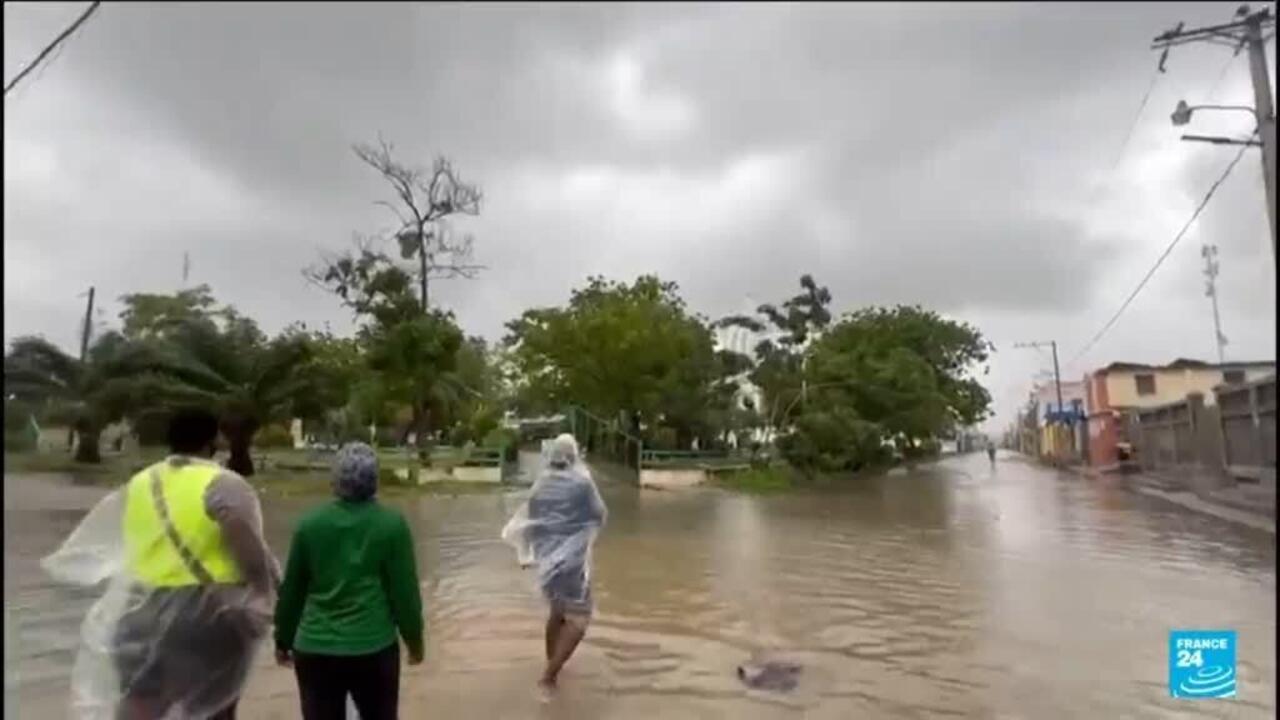
The Caribbean is bracing for impact as Hurricane Melissa, a formidable Category 4 storm, barrels towards Jamaica. this isn’t just another tropical cyclone; it’s a stark reminder of the increasing intensity of hurricane seasons and the urgent need for preparedness. Already, Melissa has left a trail of devastation across Haiti and the Dominican Republic, tragically claiming lives and disrupting communities. Are you prepared to understand the risks and protect yourself and your loved ones?
Understanding the Threat: Hurricane Melissa’s Trajectory & Intensity
Currently, Hurricane Melissa is projected to make a direct hit on Jamaica, with tropical storm conditions expected to persist for several days. The storm is fueled by exceptionally warm ocean waters – a key factor in its rapid intensification. Experts warn it could even reach Category 5 status, the highest level on the Saffir-Simpson Hurricane Wind Scale. This means sustained winds exceeding 157 mph, capable of catastrophic damage.
But what does a Category 4 or 5 hurricane really mean for those in its path? It signifies widespread power outages, meaningful structural damage to buildings, and the potential for complete devastation of coastal areas. Isolated communities are especially vulnerable, facing prolonged disruptions to essential services.
Here’s a quick comparison of hurricane categories:
| Category | Winds (mph) | Potential damage |
|---|---|---|
| 1 | 74-95 | Minimal damage; broken branches, some flooding. |
| 2 | 96-110 | Moderate damage; roof and siding damage, power outages. |
| 3 | 111-129 | Extensive damage; structural damage to small buildings, widespread power outages. |
| 4 | 130-156 | Catastrophic damage; complete roof failure, downed trees and power lines. |
| 5 | 157+ | Complete devastation; homes destroyed, widespread and prolonged power outages. |
did You Know? Ocean temperatures in the Caribbean Sea are currently 1-2°C above average, contributing to the rapid intensification of hurricanes like Melissa. This is linked to climate change and the increasing frequency of stronger storms.
Beyond the Wind: Secondary Hazards & Long-Term Impacts
The dangers of a hurricane extend far beyond the immediate force of the wind. Storm surge – the abnormal rise of water generated by a storm – poses a significant threat to coastal communities. Heavy rainfall can lead to inland flooding, landslides, and contamination of water supplies.
Pro Tip: Don’t underestimate the power of storm surge. Even if you aren’t directly on the coast, low-lying areas can be inundated. Heed evacuation orders promptly.
Furthermore, the aftermath of a hurricane can be just as challenging. Prolonged power outages disrupt essential services, hindering rescue efforts and access to healthcare. Damage to infrastructure can isolate communities for days or even weeks. The economic impact, particularly on tourism-dependent islands, can be significant. Recent studies (NOAA, 2024) indicate that the average cost of a Category 4 hurricane now exceeds $30 billion.
Preparing for Hurricane Season: A Step-by-Step guide
Effective readiness is crucial for mitigating the risks associated with hurricanes. Here’s a practical checklist to