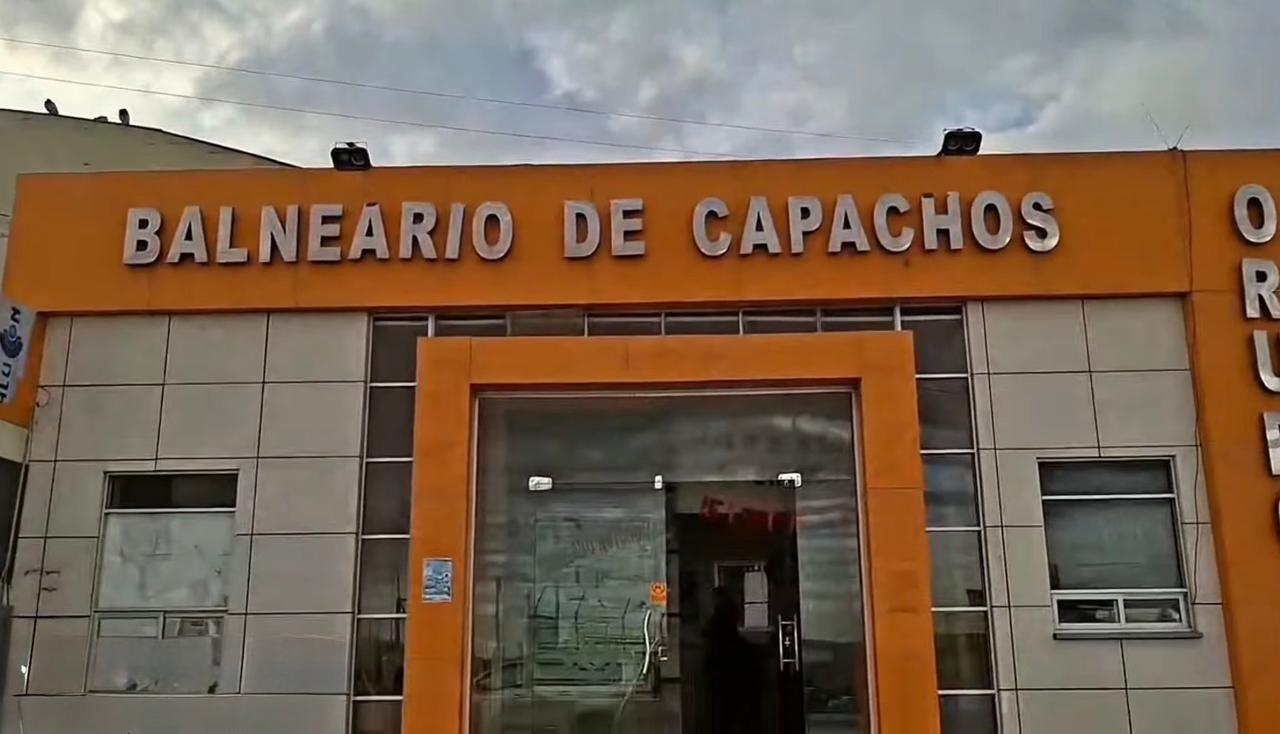
An official inspection of the Balneario de Capachos in Oruro has identified significant structural deficiencies and hygiene concerns, raising questions regarding the facility’s current operational safety. Municipal authorities conducted the site visit following reports of deteriorating infrastructure, specifically highlighting concerns regarding the integrity of the building’s roof and the overall cleanliness of the public bathing areas.
As a physician, I recognize that public health infrastructure—particularly water-based facilities—requires rigorous maintenance to prevent the transmission of pathogens and ensure physical safety. The findings at Capachos underscore the critical intersection between municipal oversight and public health standards. When maintenance protocols falter, the risk to the community, ranging from slip-and-fall hazards to potential dermatological or respiratory issues, increases significantly.
Assessing the Structural and Sanitary Findings
The inspection, which focused on the physical state of the facility, revealed that the roof infrastructure has suffered notable degradation. According to reports from the Municipal Council of Oruro (Concejo Municipal de Oruro), the structural compromise is not merely aesthetic but presents a potential hazard to visitors. Municipal officials, including Councilman Molina, have publicly addressed the urgency of these repairs, emphasizing that the current state of the facility does not meet the necessary standards for public health and safety, as detailed in reports by La Patria.
Beyond the structural integrity, the report highlighted persistent challenges regarding hygiene and sanitation. Public bathhouses, by their nature, are high-traffic environments that require constant cleaning and water quality monitoring. The identified deficiencies suggest a breakdown in the facility’s routine maintenance schedule, which is essential for preventing the buildup of bacteria and fungi in humid, high-temperature environments.
Public Health Implications of Neglected Infrastructure
For residents of Oruro, the Balneario de Capachos is a significant site for both recreation and traditional health practices. However, from a medical standpoint, maintaining the safety of such facilities is non-negotiable. Poorly maintained public pools and thermal baths can become reservoirs for various opportunistic microorganisms. If filtration systems are outdated or if general cleaning protocols are insufficient, the risk of exposure to irritants or infectious agents rises.
Infrastructure neglect also poses immediate physical risks. A compromised ceiling in a facility characterized by high moisture content can lead to material failure, posing a direct threat to the safety of patrons. The oversight body’s focus on these specific failures suggests that administrative attention is now directed toward preventing these hazards before they result in injury or widespread community concern.
Municipal Oversight and Regulatory Requirements
The responsibility for managing public facilities falls under the jurisdiction of the local government, which is bound by regional health and safety regulations. In Bolivia, municipal governments are tasked with the administration and maintenance of public recreational spaces, ensuring they comply with local health codes. The recent inspection serves as a formal trigger for administrative action, forcing a review of the budget allocations and maintenance contracts associated with the facility.

According to municipal procedures, the next steps typically involve a formal request for remediation, where the municipal executive branch must present a technical report and a timeline for repairs. Failure to address these structural warnings could lead to temporary closure or restricted access to the facility. Citizens and stakeholders are encouraged to monitor future municipal sessions, as the council is expected to follow up on the implementation of these safety measures during subsequent plenary meetings.
The situation at the Balneario de Capachos remains an evolving issue of local governance and public safety. As further details emerge regarding the proposed timeline for structural reinforcements and sanitary upgrades, updates will be provided here to ensure the community remains informed. We invite our readers to share their thoughts or experiences regarding local health facility maintenance in the comments section below.