
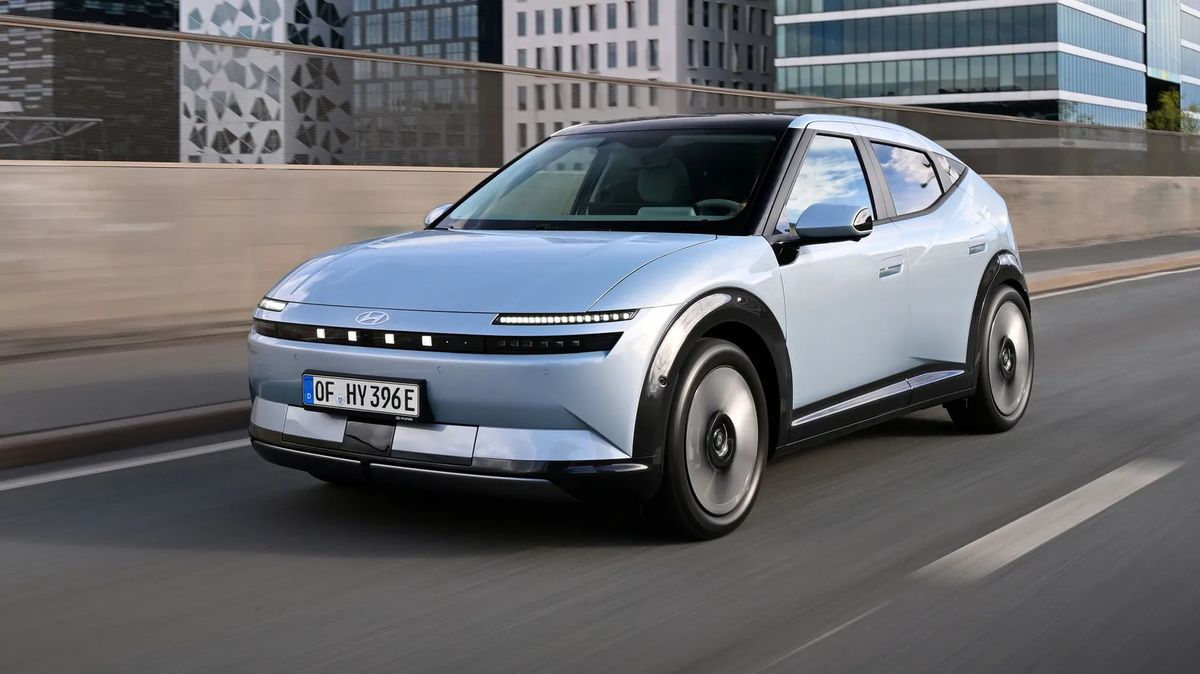
Hyundai has expanded its electric vehicle lineup with a new, more accessible version of its flagship Kona Electric, designed to lower the barrier to entry for budget-conscious consumers. By introducing a variant with a smaller battery capacity and refined equipment levels, the manufacturer is targeting a broader demographic while maintaining the core functionality that has made the Kona a staple in the subcompact SUV segment, according to official company specifications.
This strategic shift comes as automakers face increasing pressure to provide affordable electric mobility options in a market historically dominated by high-cost, long-range models. The new “entry-level” configuration focuses on practical daily use rather than maximum range, a move that aligns with current consumer demand for cost-effective, zero-emission transportation.
Understanding the Shift Toward Accessibility
The core of this new offering is a recalibration of the vehicle’s powertrain options. By opting for a lower-capacity battery pack, Hyundai has managed to reduce the manufacturer’s suggested retail price without compromising the vehicle’s structural integrity or safety features. This approach mirrors a broader industry trend where manufacturers are segmenting their electric vehicle catalogs to include “city-focused” models alongside their premium, long-distance counterparts.

According to data from the Hyundai Global Newsroom, the decision to offer a more affordable trim level is intended to capture market share among commuters who do not require the extensive range provided by the larger battery packs. The vehicle retains the same exterior dimensions and interior space as the higher-spec models, ensuring that the “budget” designation does not result in a downgrade of the vehicle’s utility or passenger comfort.
Technical Specifications and Performance
The updated model features a powertrain engineered for efficiency. While specific range figures vary based on regional testing cycles—such as the Worldwide Harmonized Light Vehicles Test Procedure (WLTP)—the vehicle provides enough capacity for typical urban and suburban driving requirements. The reduction in battery weight, compared to the long-range versions, contributes to a more nimble driving experience in stop-and-go traffic.
Key technical components include:
- Powertrain: An optimized electric motor tuned for city efficiency.
- Battery: A smaller-capacity lithium-ion module designed to reduce total vehicle weight.
- Charging: Support for standard AC and DC fast-charging, allowing for flexible energy management.
Detailed technical specifications, including exact kilowatt-hour (kWh) ratings and WLTP-certified range, are available through the official Hyundai European portal. These figures are critical for consumers comparing the cost-per-mile efficiency of the new model against existing internal combustion engine vehicles in the same segment.
Market Impact and Consumer Considerations
The introduction of a lower-priced model is likely to influence purchasing decisions for households considering their first transition to an electric vehicle. By lowering the initial investment cost, Hyundai is addressing one of the primary hurdles to EV adoption: the high upfront price point. This strategy is particularly relevant in markets where government subsidies for electric vehicles are either being phased out or are capped at specific price tiers.
Industry analysts note that this “democratization” of EV technology is essential for meeting aggressive emissions targets. By maintaining high-quality manufacturing standards while stripping back non-essential luxury features, the company ensures that the vehicle remains a competitive option for fleet operators and private buyers alike. The move also places direct competitive pressure on other manufacturers currently developing entry-level electric SUVs.
What Happens Next?
Prospective buyers can expect the new trim level to begin arriving at dealerships in the coming months, depending on local supply chain logistics and regional rollout schedules. Interested parties should monitor the official Hyundai press releases for updates regarding specific market availability and regional pricing structures. As production ramps up, final delivery estimates and test-drive opportunities will be managed through authorized local dealership networks.

We invite our readers to share their thoughts on the evolution of electric vehicle pricing in the comments section below. How much does the range-versus-price trade-off influence your decision when shopping for a new vehicle?