
International Atomic Energy Agency (IAEA) Director General Rafael Grossi stated that the agency is currently negotiating the technical “modalities” for inspectors to access Iranian nuclear sites as part of broader diplomatic efforts. However, Iranian officials have signaled that granting such access is strictly contingent upon the finalization of a comprehensive diplomatic agreement with the United States.
The development marks a critical moment in the ongoing tension between Tehran and international monitors regarding the transparency of Iran’s nuclear program. While Grossi’s comments suggest progress in technical discussions, the political deadlock between Iran and Washington continues to dictate the scope of international oversight.
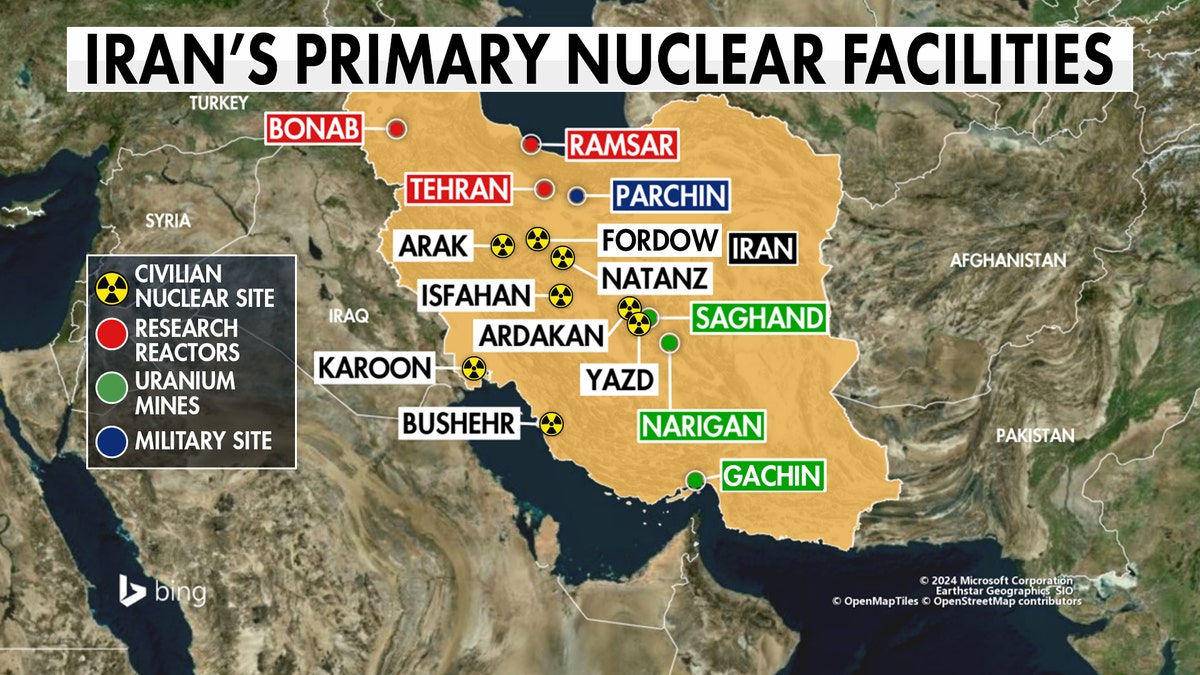
The IAEA, a United Nations-affiliated organization, is tasked with verifying that nuclear materials and activities in non-nuclear-weapon states remain peaceful. For Iran, the ability of inspectors to visit sensitive facilities like Natanz and Fordow has become a central lever in international negotiations involving sanctions relief and regional security.
What does ‘working on modalities’ mean for IAEA inspections?
When Rafael Grossi describes the agency as “working on modalities,” he is referring to the specific technical and procedural frameworks that would allow inspectors to operate within Iranian territory. These modalities include the protocols for equipment installation, the frequency of site visits, the types of environmental sampling permitted, and the specific access rights granted to IAEA personnel.
According to official IAEA communications, the agency requires consistent and unhindered access to ensure it can fulfill its mandate under the Non-Proliferation Treaty (NPT). Technical modalities often involve the use of advanced surveillance technology, such as tamper-proof cameras and remote monitoring systems, which allow the agency to track nuclear material movements in near real-time.
The negotiation of these protocols is often complicated by Iran’s concerns regarding sovereignty and the potential for intelligence gathering. For the IAEA, the goal is to establish a “predictable and stable” monitoring environment, a phrase Grossi has used in previous briefings to the United Nations Security Council.
The complexity of these discussions stems from several factors:
- Equipment Calibration: Ensuring that monitoring hardware is approved by both the agency and the host nation.
- Access Windows: Establishing specific timeframes for when inspectors can enter restricted zones.
- Data Security: Protecting the sensitive information gathered during inspections from unauthorized third-party access.
Why is Iran linking inspection access to US negotiations?
The stance taken by Iranian officials—suggesting that inspector access is a component of a final deal rather than a standalone technical matter—reflects the deeply politicized nature of the nuclear standoff. Iranian leadership has consistently argued that nuclear cooperation is a reciprocal process tied to the lifting of economic sanctions imposed by the United States.
Since the United States withdrew from the Joint Comprehensive Plan of Action (JCPOA) in 2018, Tehran has responded by gradually reducing its compliance with the agreement’s limits on uranium enrichment and centrifuge development. Iranian officials maintain that any return to full IAEA monitoring must be accompanied by a “guaranteed” end to the “maximum pressure” campaign led by Washington.
This position creates a circular diplomatic challenge. The United States and its allies generally demand “verification before relief,” insisting that the IAEA must first confirm Iran’s compliance before sanctions are eased. Conversely, Iran demands “relief before compliance,” arguing that they cannot be expected to provide transparency while their economy remains under international pressure.
This deadlock has resulted in a period of “managed tension” where the IAEA’s ability to verify Iran’s activities has been significantly diminished compared to the years immediately following the 2015 nuclear deal. Recent reports from international news agencies suggest that this impasse is a primary driver of the current uncertainty regarding the stability of the Middle East’s nuclear landscape.
The technical challenges of monitoring Iranian uranium enrichment
Understanding the stakes of these inspections requires a look at the technical realities of uranium enrichment. Iran has significantly increased its capacity to produce highly enriched uranium (HEU), which is far closer to the purity required for a nuclear weapon than the low-enriched uranium (LEU) used for civilian power plants.
The IAEA monitors the “enrichment level” of uranium. While the standard for civilian nuclear energy is typically around 3% to 5% enrichment, Iran has confirmed the production of uranium enriched to 60%. While 60% is not “weapons-grade” (which is typically defined as 90% or higher), technical experts note that the energy required to move from 60% to 90% is significantly less than the energy needed to move from 5% to 60%.
The following table compares the different levels of enrichment and their typical applications:
| Enrichment Level | Primary Use | IAEA Monitoring Priority |
|---|---|---|
| 0.7% (Natural) | Raw material | Low |
| 3% – 5% (LEU) | Commercial nuclear power | Standard |
| 20% | Research reactors/Medical isotopes | High |
| 60% | Advanced research/Potential precursor | Critical |
| 90%+ (HEU) | Nuclear weapons | Maximum |
Beyond enrichment levels, the IAEA also monitors “undeclared” sites and activities. The presence of uranium particles at locations that have not been officially disclosed by Iran remains a major point of contention. Without the “modalities” Grossi is negotiating, the agency cannot effectively perform the environmental sampling necessary to rule out clandestine nuclear activity.
A history of IAEA-Iran nuclear oversight
The relationship between the IAEA and Iran has undergone three distinct phases since the inception of the JCPOA in 2015.
Phase 1: Full Compliance (2015–2018)
Following the signing of the JCPOA, the IAEA maintained a robust presence in Iran. Inspectors had unprecedented access to nuclear facilities, and the agency provided regular, detailed reports to the UN confirming that Iran was adhering to its commitments. This period was characterized by high levels of technical cooperation and transparency.
Phase 2: Erosion of Access (2018–2022)
The U.S. withdrawal from the JCPOA and the subsequent re-imposition of sanctions triggered a breakdown in cooperation. Iran began restricting the use of certain monitoring equipment and limiting the number of qualified inspectors allowed on the ground. The IAEA’s ability to track the movement of nuclear material was severely hampered during this time.
Phase 3: The Current Deadlock (2023–Present)
The current era is defined by a push-pull dynamic. While the IAEA continues to seek technical solutions to restore monitoring, Iran has increasingly tied its nuclear cooperation to the broader geopolitical context, specifically the outcome of negotiations with the United States. This has led to the current situation where “modalities” are being discussed in a vacuum, separate from the political resolution required to implement them.
Frequently Asked Questions (FAQ)
What is the role of the IAEA in the Iran nuclear issue?
The IAEA acts as an independent technical auditor. It does not make political decisions or impose sanctions; instead, it provides the international community with verified data regarding whether Iran is following its nuclear commitments under the Non-Proliferation Treaty.
Why can’t the IAEA just enter the sites without a deal?
Under international law and the principles of state sovereignty, the IAEA requires the consent of the host nation to conduct inspections. While the agency has legal mandates, the practical implementation of those mandates requires negotiated protocols, or “modalities,” that both the IAEA and the host government agree to follow.
How does uranium enrichment work?
Uranium enrichment is the process of increasing the concentration of the isotope Uranium-235. In nature, U-235 makes up only a tiny fraction of uranium. To use it for energy or weapons, it must be processed through centrifuges to concentrate the isotope to the required levels.
What happens if no deal is reached?
If negotiations fail, the situation may lead to increased diplomatic pressure, potentially including new UN Security Council resolutions or further international sanctions. There is also the risk of increased nuclear activity in Iran, which could prompt further regional instability.
The next major checkpoint in this process will be the upcoming meeting of the IAEA Board of Governors, where member states are expected to review the agency’s latest findings on Iran’s nuclear activities and discuss the progress of the proposed inspection modalities.
We invite you to share your thoughts on this developing story. Do you believe technical cooperation can be separated from political negotiations? Leave a comment below and share this article with your network.
Related reading