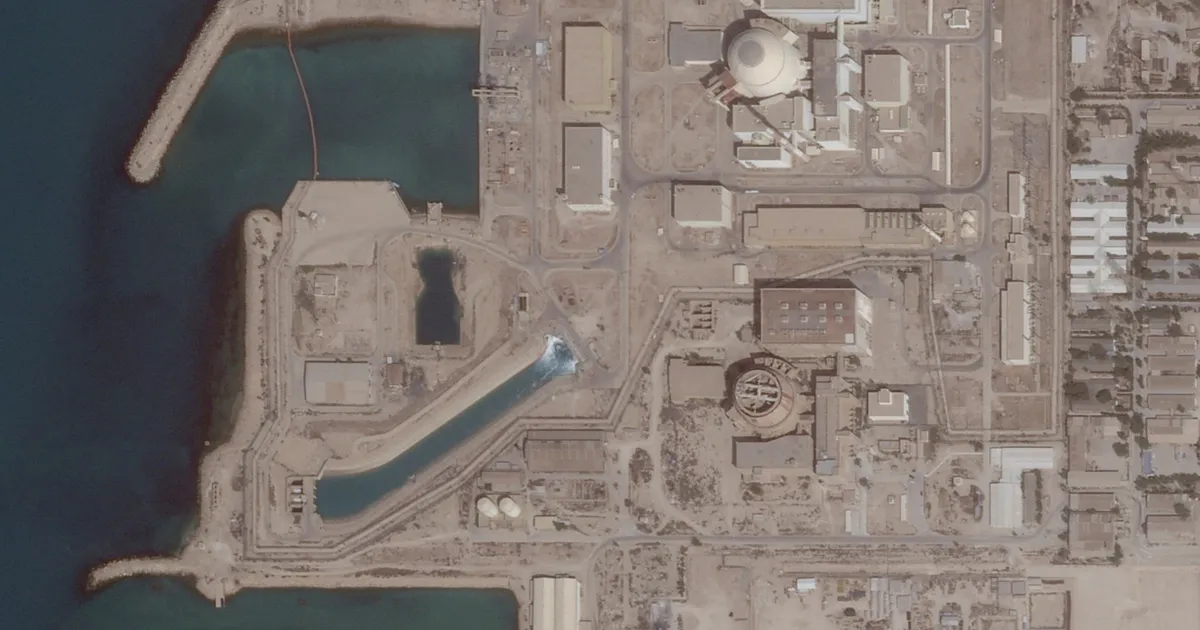
As the international community navigates the complexities of nuclear non-proliferation, the oversight of Iran’s nuclear program remains a focal point of geopolitical tension. Recent reports regarding the frequency and scope of inspections by the International Atomic Energy Agency (IAEA) have reignited discussions concerning the transparency of nuclear activities in the region and the efficacy of current monitoring frameworks.
The IAEA, headquartered in Vienna, serves as the primary intergovernmental forum for scientific and technical cooperation in the nuclear field, with a mandate that includes verifying the peaceful use of nuclear technology through its safeguards system. As of June 2026, the agency continues its work to monitor member states’ nuclear activities, ensuring compliance with the Treaty on the Non-Proliferation of Nuclear Weapons (NPT). For the latest official bulletins and safety advisories, readers may visit the International Atomic Energy Agency official website.
The Role of IAEA Safeguards and Inspections
The IAEA’s verification regime is designed to provide credible assurance that nuclear material is not diverted from peaceful activities to military purposes. This process involves a combination of on-site inspections, remote monitoring, and the analysis of environmental samples. According to the IAEA safeguards framework, these inspections are essential for maintaining global confidence in the nuclear energy sector and preventing the spread of nuclear weapons.
In the context of Iran, the agency has historically maintained a rigorous presence to monitor facilities such as the Bushehr Nuclear Power Plant. However, the scope of these activities is frequently subject to negotiation and political developments. The agency’s ability to conduct these inspections relies on the cooperation of the host nation and adherence to established safeguards agreements. When access is restricted or limited, it often leads to heightened concern among the international community regarding the potential for undeclared nuclear activities.
Geopolitical Context and International Dialogue
The discourse surrounding Iran’s nuclear capabilities often intersects with broader diplomatic efforts involving global powers. While the IAEA maintains its technical, non-political mandate, the surrounding environment is characterized by shifting alliances and public statements from international leaders. These narratives often underscore the difficulty of balancing energy independence through nuclear power with the global imperative of non-proliferation.
Experts in international relations note that the persistence of these challenges highlights the importance of sustained, transparent dialogue. The IAEA’s mission to promote the safe, secure, and peaceful use of nuclear technology serves as a critical, albeit demanding, baseline for these interactions. As the agency continues its mandate, the international focus remains on ensuring that all nuclear programs are subject to the necessary level of scrutiny required by international law.
Addressing Concerns Over Nuclear Proliferation
The primary concern for the international community is the risk of nuclear proliferation, which the IAEA seeks to mitigate through its Incident and Trafficking Database and other monitoring tools. When the agency warns of limited access to specific sites, it signals a potential gap in the verification chain. Such warnings are typically issued to encourage member states to uphold their obligations under the NPT and their respective safeguards agreements.
For observers, understanding these developments requires distinguishing between technical reports provided by the agency and the broader political commentary that often follows. The agency’s reports are intended to provide an objective assessment of the situation on the ground, serving as the foundation for diplomatic discussions at the United Nations and other international bodies.
Looking Ahead: What Happens Next
The situation remains a developing story, with the IAEA expected to continue providing updates to its Board of Governors regarding the status of its verification activities in Iran. These periodic reports are essential for stakeholders to track progress and identify areas where diplomatic intervention may be required to ensure continued, unhindered access for inspectors.
As the situation unfolds, the global community looks toward the next scheduled session of the IAEA Board of Governors for further insights. Transparency and adherence to international protocols remain the cornerstones of regional and global stability in the nuclear domain. We encourage our readers to share their perspectives on these developments in the comments section below and to stay tuned to our ongoing coverage of international affairs.
Worth a look