
Patients diagnosed with inflammatory bowel disease face a significantly higher risk of psychiatric disorders starting two to three years before formal diagnosis, with vulnerability persisting for up to a decade afterward, according to a nationwide study published in Clinical Gastroenterology and Hepatology. Researchers analyzed health records from more than 40,000 Swedish inflammatory bowel disease patients between 2007 and 2023, comparing them against nearly 180,000 general population controls and approximately 26,000 unaffected full siblings.
Timeline and Scope of Elevated Psychiatric Risks in IBD
The investigation tracked psychiatric illness trajectories across distinct milestones. The risk of psychiatric illness began rising two to three years prior to an inflammatory bowel disease diagnosis—a timeframe when digestive symptoms may already be present but not yet categorized under a chronic inflammatory condition. Risk peaked sharply within the first six months after diagnosis, showing a 50% increase, and remained elevated at 10 years with a 19% increase compared to controls. Prescriptions for antidepressants and anxiolytics followed a parallel trajectory, rising a year before diagnosis and staying elevated for at least five years post-diagnosis.
Distinguishing Genetic Factors and Affected Subtypes
To determine whether shared family upbringing or genetics caused the association, researchers utilized the cohort of 26,000 IBD-free full siblings who shared identical family backgrounds and overlapping genetics. Because inflammatory bowel disease patients still exhibited significantly higher rates of psychiatric disorders compared to their unaffected siblings, investigators concluded that the condition itself and its physiological or psychosocial impacts drive the risk, rather than shared family genetics alone.
The association remained consistent across specific subtypes, including Crohn’s disease, ulcerative colitis, and unclassified inflammatory bowel disease. However, absolute psychiatric risks were highest in specific vulnerable groups:
- Patients with childhood-onset inflammatory bowel disease
- Individuals with a positive family history of psychiatric conditions
Childhood-onset disease can disrupt schooling, social development, and independence during sensitive developmental periods, while a psychiatric family history reflects inherited vulnerability or shared environmental influences.
Underlying Mechanisms and Clinical Implications
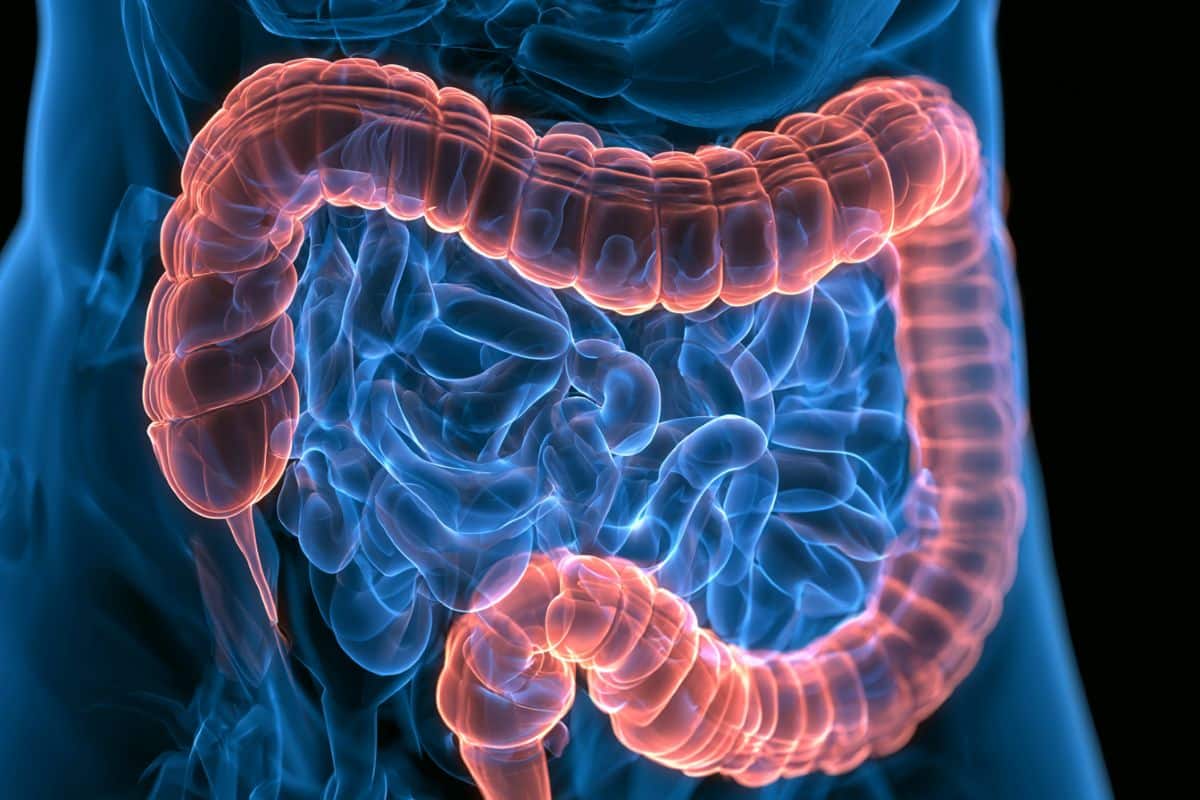
Inflammatory bowel disease is a lifelong condition characterized by persistent or recurrent inflammation in the gastrointestinal tract. Crohn’s disease can affect any section from the mouth to the anus and extend through multiple layers of the bowel wall, while ulcerative colitis primarily involves the colon and rectum with inflammation concentrated in the inner lining. Both conditions produce abdominal pain, diarrhea, rectal bleeding, fatigue, weight loss, and unpredictable flares that interfere with sleep, employment, relationships, and social activity.
Scientists suspect the connection between intestinal inflammation and mental health involves a protracted disease course, reduced social functioning, impaired quality of life, shared genetic factors, and disrupted communication along the gut-brain axis. This two-way communication network involves immune signaling, neural pathways, hormones, and microbial metabolites. The risk increase itself was largely driven by major depressive disorder, anxiety disorders, and substance misuse.

Lead author Jiangwei Sun, PhD, emphasized the necessity of clinical intervention, stating, It is time to actively manage psychiatric conditions in patients with IBD.
Previous research focused almost exclusively on the years following a diagnosis, leaving the prodromal years understudied. Researchers urge health care providers to screen for psychiatric symptoms early—starting during the initial gastrointestinal evaluation—and call for integrating psychological care directly into routine management to prevent unaddressed mental health issues from complicating medical treatments and worsening flare-ups.