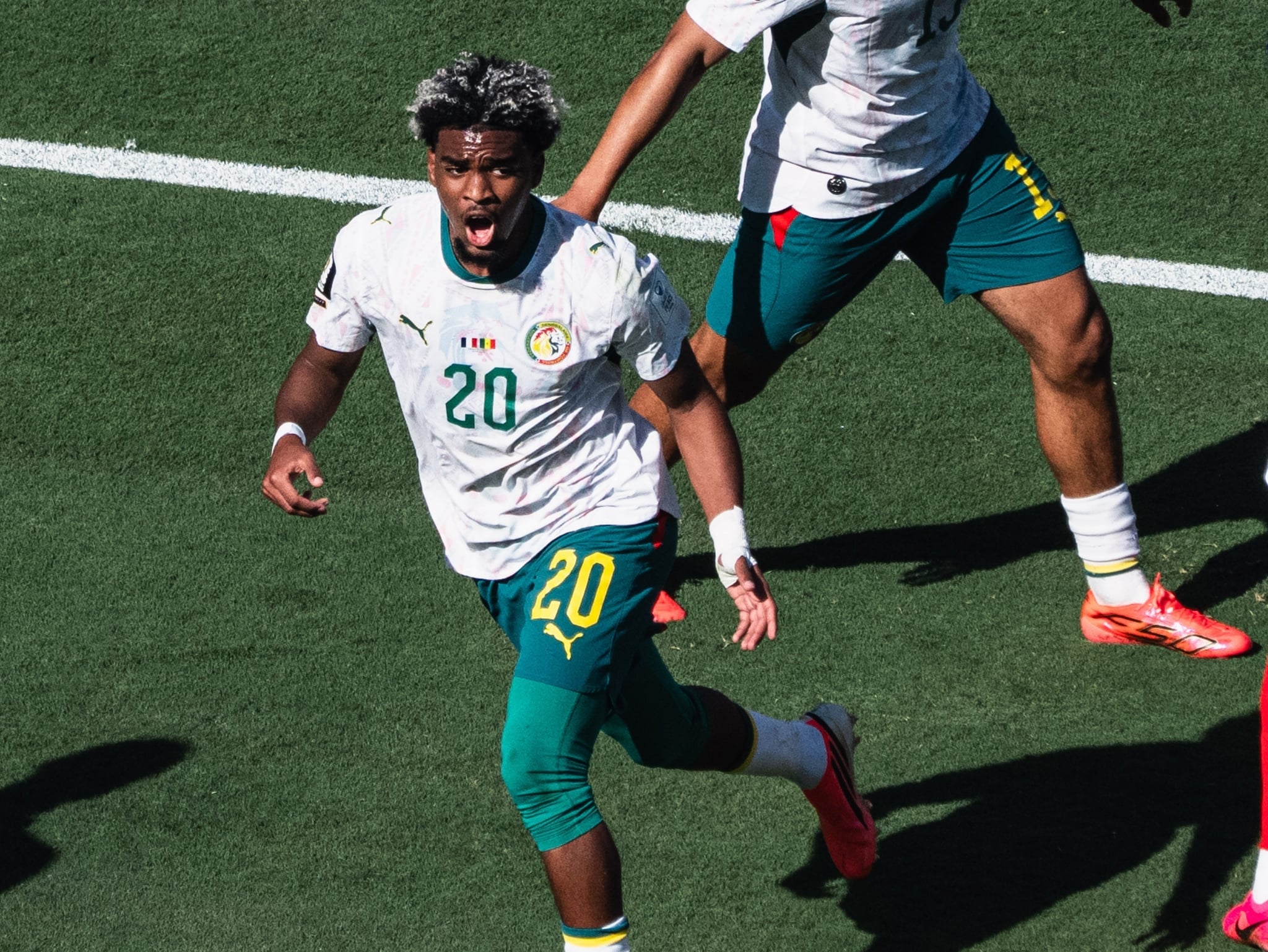
Ibrahim Mbaye has emerged as a significant figure in international football following his performance at the 2026 FIFA World Cup, where he became the youngest African player to score a goal in the tournament’s history. The Paris Saint-Germain forward, currently representing the Senegal national team, has repeatedly demonstrated his impact as a substitute, leading to growing public and analytical debate regarding his potential for a starting role with the Lions of Teranga.
According to match reports from the tournament, Mbaye’s goal against France underscored his ability to influence high-stakes encounters despite limited minutes on the pitch. This historic achievement has placed him in an exclusive category of young talents on the global stage, as confirmed by official FIFA tournament records. For a national team manager, the decision to promote a young impact substitute to the starting XI requires balancing immediate tactical stability with the long-term development of a rising star.
The Impact of Mbaye’s Tactical Versatility
Mbaye’s rise is defined by his efficiency in limited windows of play. Statistics from the group stages indicate that the teenager offers a distinct tactical profile, characterized by high-speed transitions and composure in front of the goal. In modern football, the role of a “super-sub” is often a strategic choice rather than a reflection of a player’s lack of quality, as noted by analysts from the Guardian’s sports coverage. By entering the match when opponents are fatigued, Mbaye has leveraged his pace to exploit defensive gaps.
However, the transition to a starter involves a different set of challenges. Starting players must manage their energy across 90 minutes, contribute to defensive pressing structures, and maintain tactical discipline against fresh opposing defenders. While his goal-scoring record is notable, the coaching staff must assess whether his current physical conditioning and defensive awareness meet the requirements for a full-match commitment at the international level.
Historical Precedent for Young African Talents
Mbaye’s record-breaking goal against France draws comparisons to other notable young African players who made their mark on the global stage. Being the youngest African to score in a World Cup is a milestone that historically signals a shift in a player’s career trajectory. As detailed by the Confederation of African Football (CAF), the development of young talent within the continent’s national setups has accelerated, with players increasingly moving to European academies like PSG at younger ages.
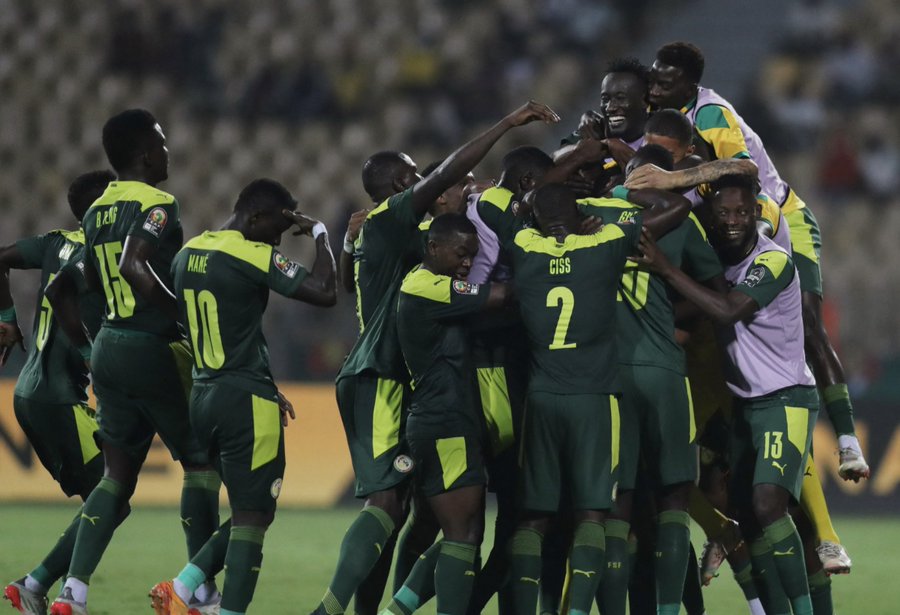
The pressure on young players to perform at the senior international level is immense. Observers point out that while the technical ability is present, the psychological adjustment to being a focal point of a national team’s attack can be significant. The national team management, led by the technical directorate, remains the primary arbiter of when a player is prepared for the increased scrutiny of a starting role.
Strategic Considerations for the Lions of Teranga
The coaching staff for Senegal faces a dilemma common to successful national programs: how to integrate a burgeoning talent without disrupting an established tactical system. If the team’s current structure relies on a specific balance of experience and defensive cover, moving Mbaye into the starting lineup might necessitate a shift in the team’s overall formation. According to Reuters sports reporting, national team managers often prioritize squad cohesion during major tournament cycles.
Factors influencing this decision include:
- Tactical Balance: Whether the team requires his specific offensive output from the first minute or as a closing weapon.
- Defensive Contribution: The player’s ability to track back and support the midfield, a non-negotiable requirement in elite international systems.
- Squad Dynamics: Maintaining morale among senior players who have held starting positions throughout the qualification cycle.
What Happens Next
The next official update regarding the starting lineup for the Senegal national team will likely occur during the lead-up to the next international break. Fans and analysts are monitoring upcoming squad announcements and press conferences from the Senegalese Football Federation for indications of a tactical shift. The focus remains on whether the coaching staff views Mbaye’s recent success as a platform for immediate promotion or as part of a longer-term integration strategy.
As the footballing world watches the development of this young talent, the debate over his role continues to highlight the complexities of international team management. We invite readers to share their thoughts on whether Mbaye should be granted a starting spot in the comments below or join the discussion on our social media platforms.
Keep reading