The Gut-Brain Connection: How Bacteria May Hold the Key to IBS Relief
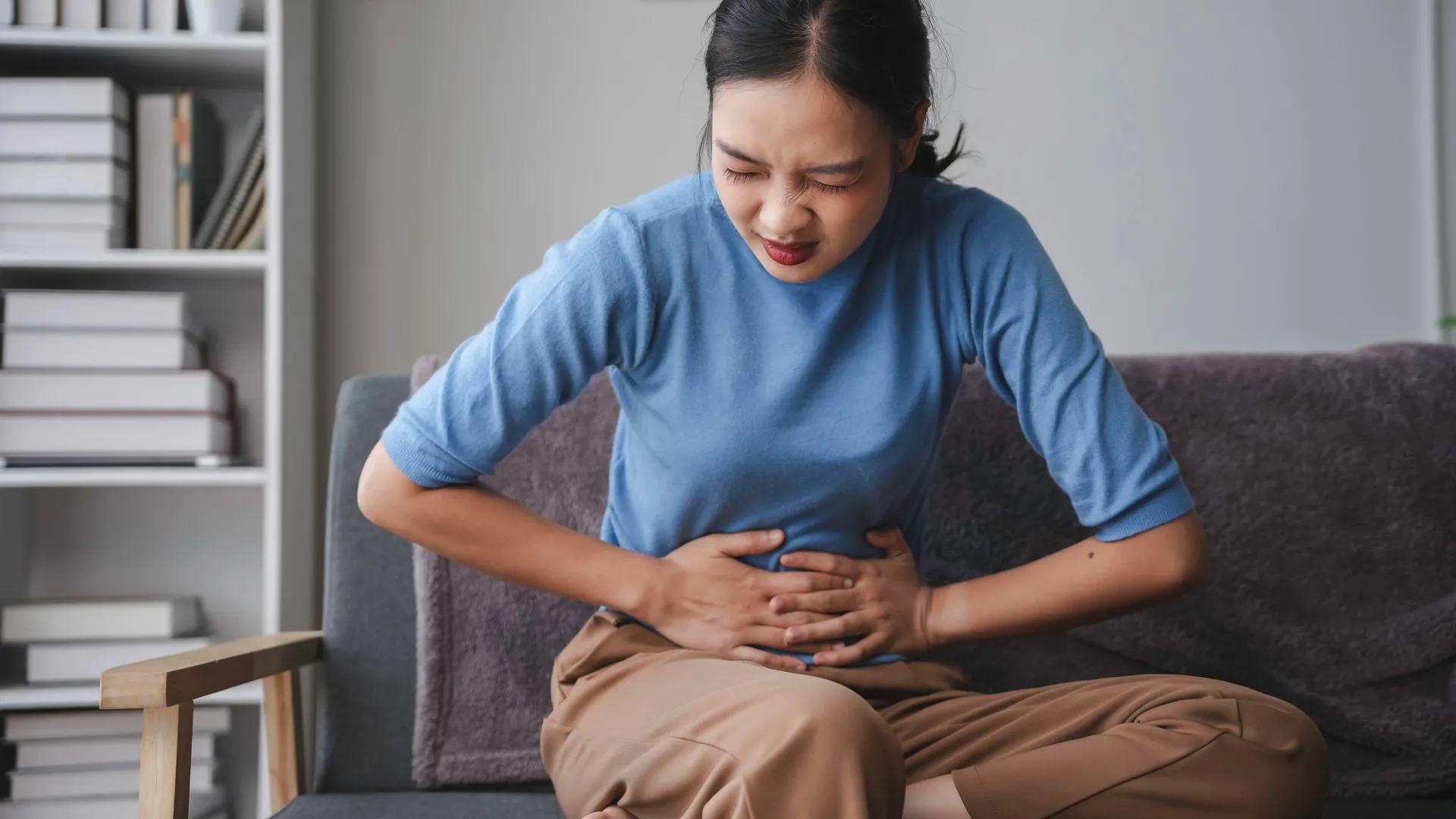
Irritable Bowel Syndrome (IBS) affects millions worldwide, causing a constellation of uncomfortable digestive symptoms like abdominal pain, bloating, constipation, and diarrhea. While the exact cause of IBS remains elusive, mounting evidence points to a complex interplay between the gut microbiome – the trillions of bacteria residing in our digestive tract – and the chemical messenger serotonin. For years, serotonin has been primarily recognized for its role in mood regulation within the brain, but a surprising 90% or more of the body’s serotonin is actually produced in the gut, where it profoundly influences bowel function through the enteric nervous system, often dubbed the “second brain.” Now, groundbreaking research suggests that specific gut bacteria aren’t just *influenced* by serotonin levels, but are actively *producing* it, potentially opening new avenues for IBS treatment.
Understanding the gut-brain axis is crucial in unraveling the mysteries of IBS. This bidirectional communication network links the central nervous system with the enteric nervous system, allowing for constant dialogue between the brain and the gut. Disruptions in this communication, coupled with imbalances in the gut microbiome, are increasingly recognized as key factors in the development and progression of IBS. The emerging role of gut bacteria in serotonin production adds another layer of complexity – and hope – to this understanding. Researchers are now investigating whether manipulating the gut microbiome could offer a novel therapeutic approach to managing this chronic condition, which currently affects an estimated 10-15% of the global population. The International Foundation for Functional Gastrointestinal Disorders (IFFGD) provides comprehensive information on IBS and related conditions.
Serotonin’s Surprising Role in the Gut
Serotonin, scientifically known as 5-hydroxytryptamine (5-HT), is a monoamine neurotransmitter with a wide range of physiological effects. While often associated with feelings of well-being and happiness, serotonin plays a critical role in regulating numerous bodily functions, including sleep, appetite, and, crucially, gut motility. In the gut, serotonin acts on the enteric nervous system to control muscle contractions, influencing the speed at which food moves through the digestive tract. Imbalances in serotonin levels can lead to either accelerated or slowed gut transit, contributing to the diarrhea or constipation often experienced by individuals with IBS.
Previous research has established a link between the gut microbiome and serotonin production. Certain bacteria can influence the expression of genes involved in serotonin synthesis, and alterations in the gut microbiome composition have been observed in individuals with IBS. However, until recently, it remained unclear whether gut bacteria themselves possessed the enzymatic machinery to directly manufacture biologically active serotonin. This question has now been addressed by a study published in the journal Cell Reports, which identified two bacterial species capable of producing this vital neurotransmitter.
Limosilactobacillus mucosae and Ligilactobacillus ruminis: The Serotonin-Producing Duo
Researchers at the University of Gothenburg in Sweden identified Limosilactobacillus mucosae and Ligilactobacillus ruminis as the bacterial species responsible for serotonin production. These bacteria work synergistically, meaning they require each other to effectively synthesize serotonin. The study, led by Professor Fredrik Bäckhed, demonstrated that these bacteria can convert tryptophan – an essential amino acid obtained through diet – into serotonin. News-Medical.net provides a detailed overview of the research findings.
To validate their findings, the researchers introduced these bacteria into germ-free mice – mice raised in a sterile environment lacking a normal gut microbiome. The results were striking. Mice colonized with L. Mucosae and L. Ruminis exhibited significantly increased serotonin levels in their intestines. They showed an increase in the number of nerve cells in the colon and a normalization of gut transit time, indicating improved digestive function. “We see incredibly fascinating how the gut bacteria can produce bioactive signaling molecules that affect health,” said Professor Bäckhed. This suggests that restoring or enhancing the population of these serotonin-producing bacteria could have therapeutic benefits for individuals with IBS and other gastrointestinal disorders.
Lower Levels of L. Mucosae Found in IBS Patients
Intriguingly, the researchers also investigated the gut microbiome composition of individuals with IBS. They discovered that patients with IBS had significantly lower levels of L. Mucosae in their stool samples compared to healthy controls. This bacterium possesses the necessary enzyme, tryptophan hydroxylase, required for serotonin production. The reduced abundance of L. Mucosae in IBS patients suggests a potential link between gut microbiome dysbiosis – an imbalance in the gut microbial community – and serotonin deficiency, which could contribute to the development of IBS symptoms.
Professor Magnus Simrén, also from Sahlgrenska Academy at the University of Gothenburg, emphasized the clinical implications of these findings. “Our results indicate that certain intestinal bacteria can produce bioactive serotonin and thus play an important role in intestinal health and open new avenues for the treatment of functional gastrointestinal disorders such as IBS,” he stated. This research supports the growing body of evidence suggesting that targeting the gut microbiome could be a promising strategy for managing IBS.
Potential Therapeutic Approaches
While the research is still in its early stages, the identification of L. Mucosae and L. Ruminis as serotonin producers opens up several potential therapeutic avenues. These include:
- Probiotic supplementation: Developing probiotic formulations containing these specific bacterial strains could help restore a healthy gut microbiome and increase serotonin production.
- Prebiotic interventions: Prebiotics are non-digestible fibers that promote the growth of beneficial gut bacteria. Identifying prebiotics that selectively nourish L. Mucosae and L. Ruminis could enhance their abundance in the gut.
- Dietary modifications: Consuming a diet rich in tryptophan – found in foods like turkey, eggs, and nuts – could provide the building blocks for serotonin synthesis.
- Fecal Microbiota Transplantation (FMT): In severe cases, FMT – the transfer of fecal matter from a healthy donor to a recipient – could be considered to restore a balanced gut microbiome. However, FMT is still an experimental procedure and carries potential risks.
It’s important to note that these approaches are still under investigation, and more research is needed to determine their efficacy and safety. IBS is a complex condition with multiple contributing factors, and a personalized approach to treatment is likely to be most effective.
The Future of IBS Treatment: A Holistic Approach
The discovery of serotonin-producing bacteria in the gut represents a significant step forward in our understanding of IBS. It reinforces the critical role of the gut-brain axis and highlights the potential of targeting the gut microbiome to alleviate symptoms. Professor Bäckhed concludes, “Our findings indicate that intestinal bacteria can form signaling substances such as serotonin, which may be the key to understanding how the intestine and its inhabitants can affect our brain and the behavior.”
Looking ahead, researchers are planning larger-scale clinical trials to investigate the effects of manipulating the gut microbiome on IBS symptoms. They are also exploring the potential of identifying biomarkers – measurable indicators of disease – that can predict an individual’s response to different treatments. The goal is to develop a holistic approach to IBS management that combines dietary interventions, probiotic supplementation, and other therapies tailored to the individual’s unique gut microbiome profile.
The next steps in this research will involve further investigation into the mechanisms by which L. Mucosae and L. Ruminis produce serotonin and how this process is affected by various factors, such as diet and stress. Researchers are also keen to explore the potential of identifying other bacterial species that contribute to serotonin production in the gut. Continued research promises to unlock even more insights into the intricate relationship between the gut microbiome, serotonin, and overall health.
Do you have experience with IBS or gut health? Share your thoughts and questions in the comments below. And please, share this article with anyone who might find it helpful!
Related reading