The Imperative of Justice for Sudan: A Path Forward
The ongoing crisis in Sudan demands immediate and sustained international attention. Recent developments at the International Criminal Court (ICC), particularly concerning the case of Ali Muhammad Ali Abd-Alrahman, known as Kosheib, underscore the critical role of international justice in addressing decades of atrocity crimes and fostering lasting peace.
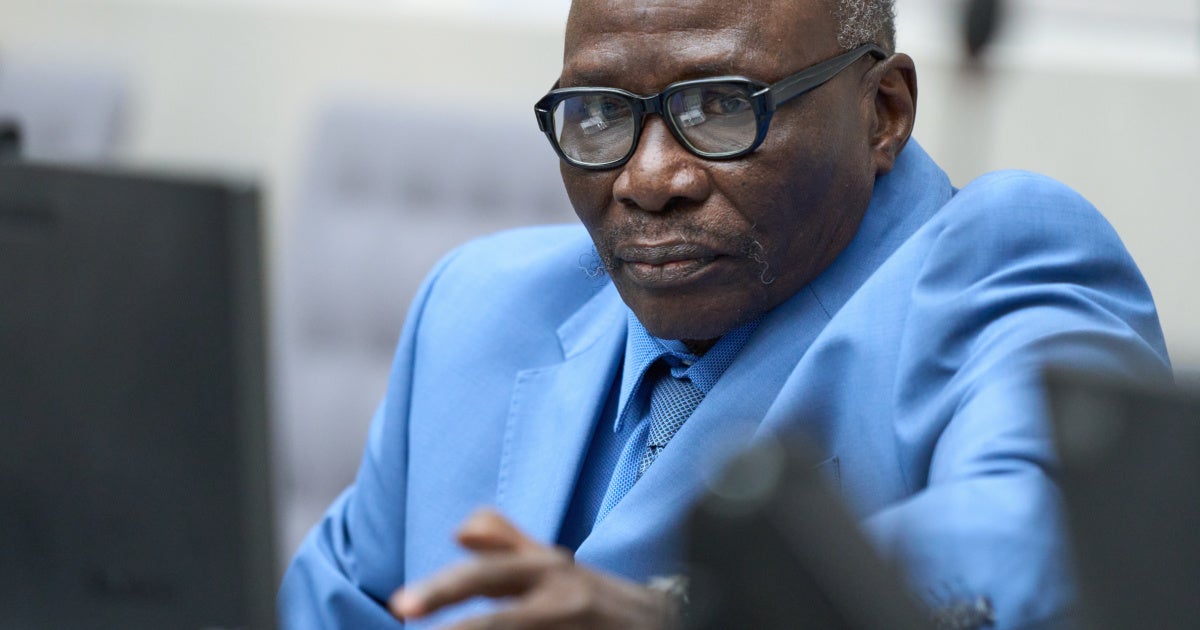
Kosheib’s trial represents a meaningful step towards accountability for the horrific events in Darfur. It also highlights the ICC’s vital function in providing redress for victims – a cornerstone of any genuine reconciliation process. You should understand that achieving justice isn’t simply about punishment; it’s about acknowledging suffering and rebuilding trust.
A Nation Gripped by Conflict
Currently,Sudan is embroiled in a brutal conflict between the Sudanese Armed Forces (SAF) and the Rapid Support Forces (RSF). This devastating war, now exceeding two years, has been marked by widespread atrocities committed by both sides.
Recent events, such as the mass killings and abuses in El Fasher, North Darfur, are particularly alarming. These acts demonstrate a disturbing pattern of violence against civilians and a blatant disregard for international humanitarian law. The ICC Office of the Prosecutor has already signaled its intent to pursue further arrest warrants based on ongoing investigations into these crimes.
The Cycle of Impunity Must End
Without accountability, the cycle of violence will inevitably continue, creating yet another generation of victims. It’s crucial to break this pattern. The SAF-affiliated authorities must promptly surrender all remaining ICC fugitives to the court.
This includes former Sudanese President Omar al-Bashir and two other former high-level officials. Their presence at the ICC is essential for a complete and just accounting of the crimes committed in Darfur.
Strengthening the Pursuit of Justice
To truly address the crisis in Sudan, a multi-faceted approach is required.Here’s what needs to happen:
* Support the ICC: Governments worldwide should actively support the ICC’s critical work in Sudan. This includes providing financial and logistical assistance.
* Expand ICC Jurisdiction: Calls for expanding ICC jurisdiction to cover all of Sudan are vital. This would allow the court to investigate and prosecute crimes committed throughout the country.
* Explore Complementary Mechanisms: Consider establishing an internationalized court for Sudan. This could supplement the ICC’s efforts and address the immense caseload.
* Universal Jurisdiction: Encourage the use of universal jurisdiction principles. This allows countries to prosecute perpetrators of atrocity crimes,regardless of where the crimes were committed or the nationality of the perpetrators.
Ultimately,achieving lasting peace in Sudan requires a commitment to justice. It’s a complex undertaking, but one that is absolutely essential for the future of the nation and the well-being of its people. You can play a role by staying informed and advocating for accountability.
The international community must stand in solidarity with the victims of Sudan and work tirelessly to ensure that those responsible for these horrific crimes are brought to justice.Only then can a path towards healing and reconciliation begin.