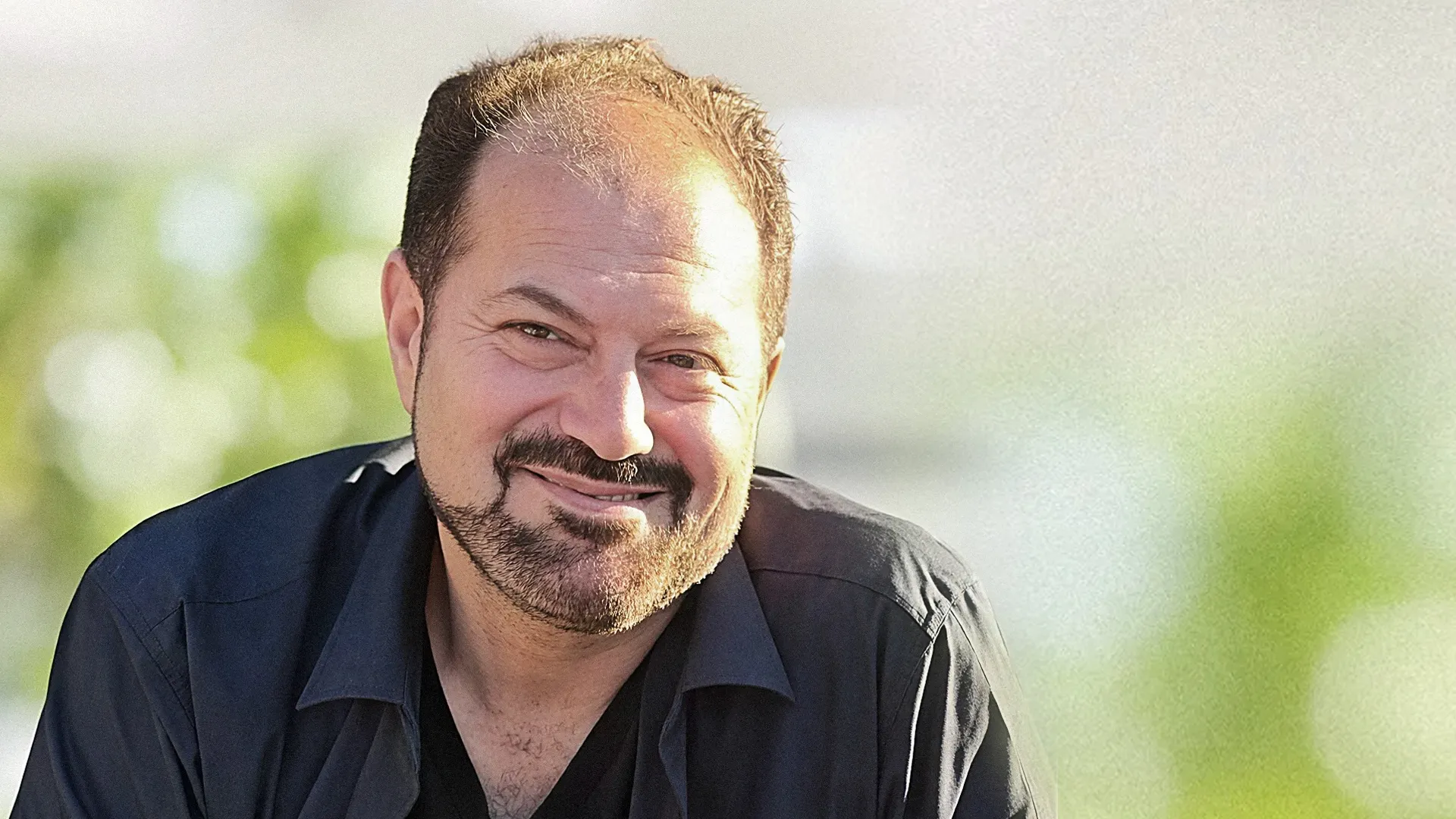
On March 30, 2026, Salah Sarsour was taken into custody by U.S. Immigration and Customs Enforcement (ICE) agents outside his home in Milwaukee, Wisconsin. The arrest drew immediate attention due to Sarsour’s long-standing role as president of the Islamic Society of Milwaukee’s board of directors and his identity as a lawful permanent resident who has lived in the United States for over three decades. Born in the Israeli-occupied West Bank, Sarsour’s detention has become a focal point in discussions about immigration enforcement, free speech protections, and the treatment of activists with ties to Palestinian advocacy.
According to reporting from the Milwaukee Journal Sentinel published on April 21, 2026, the Milwaukee Common Council passed a resolution condemning Sarsour’s detention, with twelve council members voting in favor of a measure calling for his immediate release and due process. The resolution specifically referenced concerns that his arrest may be linked to his pro-Palestinian activism and past encounters with Israeli military authorities during his youth in the West Bank. Alderman Alex Brower, who sponsored the resolution, described the detention as “an absolute abomination” and “unconscionable,” citing allegations that Sarsour was subjected to torture and coerced confessions during arrests by Israeli forces at ages 15 and 22.
Sarsour’s legal team has filed a habeas corpus petition challenging the legality of his detention, arguing that his confinement violates constitutional protections related to free speech and due process. The petition asserts that Secretary of State Marco Rubio determined Sarsour poses a foreign policy risk, making him deportable under current immigration enforcement guidelines. His attorneys contend that the government’s action stems not from legitimate security concerns but from his association with American Muslims for Palestine and his public criticism of Israeli policies in the occupied territories.
As of April 22, 2026, Sarsour remains detained in an Indiana jail while awaiting immigration proceedings. His initial deportation hearing is scheduled for April 27, 2026, before an immigration judge, with the possibility of additional hearings to follow. The case has drawn commentary from civil liberties advocates who argue that targeting individuals for their political speech—particularly regarding international conflicts—undermines First Amendment principles, even within the context of immigration enforcement.
The Islamic Society of Milwaukee, where Sarsour serves as a board president, has affirmed his longstanding role in the community as a religious leader, family man, and interfaith bridge-builder. Described by colleagues as a husband, father, and grandfather, Sarsour has been active in local outreach efforts for years, including programs aimed at fostering dialogue between Muslim, Jewish, and Christian communities in southeastern Wisconsin.
Legal experts note that while non-citizens, including lawful permanent residents, can be subject to deportation for certain criminal or security-related grounds, the burden lies with the government to prove such claims through due process. In Sarsour’s case, his lawyers maintain that the allegations connecting him to foreign policy risks are unsubstantiated and retaliatory, stemming from lawful advocacy rather than any violent or illegal activity.
The Department of Homeland Security, which oversees ICE, has not publicly detailed the specific basis for Sarsour’s detention beyond referencing the Secretary of State’s determination. However, his legal representatives continue to challenge the narrative, emphasizing his decades of lawful residence, lack of criminal conviction in the United States, and consistent engagement in protected political expression.
As the April 27 hearing approaches, observers are watching closely to see how the immigration court will evaluate the government’s claims and whether Sarsour will be released on bond or ordered to remain in custody during further proceedings. The outcome may carry broader implications for how political speech intersects with immigration enforcement, particularly for individuals from regions affected by long-standing international conflicts.
For updates on the case, members of the public can monitor filings through the Executive Office for Immigration Review’s public portal or follow statements from Sarsour’s legal counsel and the Islamic Society of Milwaukee. Community support efforts have included peaceful vigils, legal defense fundraising, and appeals to elected officials to uphold constitutional safeguards regardless of immigration status.
What happens next in this case will depend on the evidence presented at the upcoming hearing and the judge’s assessment of whether the government has met its legal burden to justify continued detention or deportation.
Stay informed, share verified updates, and join the conversation about how communities respond when civil liberties and immigration policy intersect.
Related reading