Beyond Ethylene Glycol: Bio-Inspired Antifreeze Proteins Poised to Revolutionize Food & drug Preservation
For decades, maintaining the integrity of temperature-sensitive goods – from life-saving pharmaceuticals to everyday ice cream – has relied on complex cold chains and, sometimes, less-than-ideal solutions. While antifreeze like ethylene glycol effectively lowers the freezing point of liquids, its toxicity renders it unsuitable for use in food or medicine. Now,a groundbreaking growth from researchers at the University of Utah is offering a safer,more sustainable alternative: synthetic proteins inspired by the remarkable antifreeze capabilities of polar fish.
This innovation promises to dramatically improve the preservation, storage, and transport of a vast range of products, perhaps reducing food waste and ensuring the efficacy of critical medications.
The Challenge of Cryopreservation: Why Things Freeze & Why It Matters
The formation of ice crystals is the enemy of many biological materials. During freezing, these crystals expand, physically disrupting cellular structures and denaturing proteins. This damage can render drugs ineffective, compromise the texture and quality of food, and even destroy valuable biological samples. Current methods to mitigate this – ultra-rapid freezing, specialized packaging, and maintaining strict temperature controls – are frequently enough expensive, energy-intensive, and logistically challenging.
Nature’s Blueprint: Learning from Arctic Survival
The inspiration for this breakthrough lies in the ingenious adaptations of fish thriving in sub-zero polar waters. These fish possess specialized proteins in their blood that act as natural antifreeze,preventing ice crystals from forming and causing harm. For years, scientists have recognized the potential of these naturally occurring antifreeze proteins (AFPs), but practical application has been hampered by significant hurdles.
“Extracting sufficient quantities of these proteins from living organisms is simply impractical for large-scale commercial use,” explains Jessica Kramer, Associate Professor in the biomedical engineering department at the University of Utah and lead researcher on the project. “Furthermore, there’s the risk of contamination with allergens, adding another layer of complexity.”
A Simplified Solution: Mimicking Nature with Synthetic Polypeptides
Kramer and her team, including graduate student Thomas McParlton, took a different approach. Instead of attempting to harvest AFPs directly from fish, they focused on understanding how these proteins work at a fundamental level. Through meticulous research, detailed in earlier publications in Chemistry of Materials and Biomacromolecules, they identified the key structural features responsible for the antifreeze activity.
The crucial step was simplification. “We stripped away the unnecessary complexity of the natural proteins, focusing only on the elements essential for inhibiting ice crystal formation,” Kramer states. “This dramatically reduces production costs and makes large-scale manufacturing feasible.”
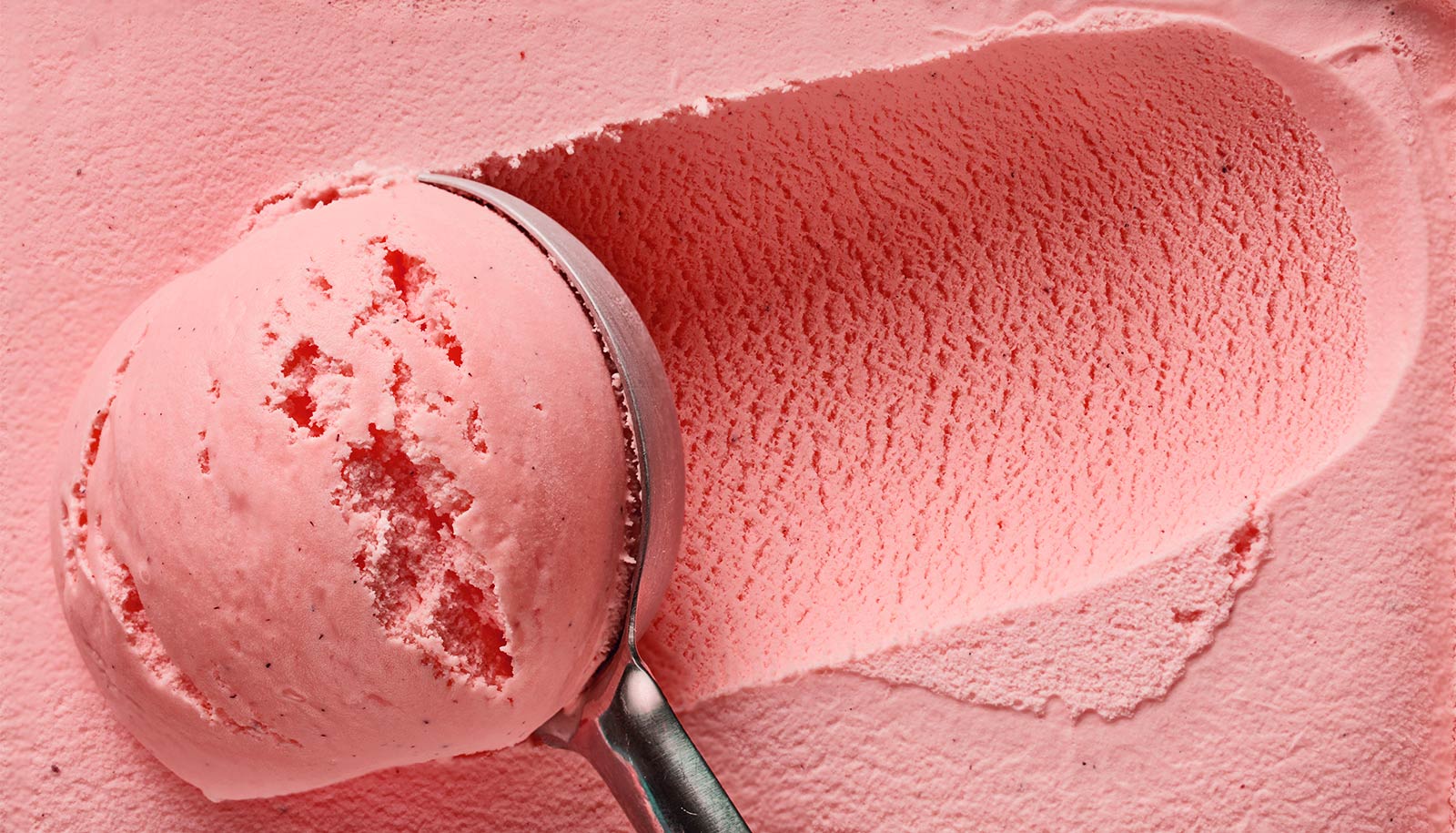
The resulting “mimic polypeptides” – synthetic proteins designed to replicate the function of natural AFPs – have proven remarkably effective. In rigorous testing, they successfully chilled ice cream down to -4°F and protected the anti-cancer drug Trastuzumab from damage at temperatures as low as -323°F. These findings were recently published in the prestigious journal Advanced Materials.
Beyond the Lab: Safety, Digestibility & Real-World Applications
The team didn’t stop at demonstrating effectiveness. Crucially, they also confirmed the safety and biocompatibility of their synthetic proteins.Tests revealed the mimics are non-toxic to human cells, readily digestible by gut enzymes, and stable even when heated – a vital characteristic for food production applications. Further testing showed protection of sensitive enzymes and antibodies from freeze-thaw damage.
“We’ve shown that these mimics bind to the surface of ice crystals and inhibit their growth, just like their natural counterparts,” McParlton emphasizes. “And best of all,we’re creating them entirely through chemical synthesis – no fish required!”
A Future Free From Frozen Limitations
The potential applications of this technology are far-reaching:
* Extended Shelf Life for Frozen Foods: Reducing ice crystal formation translates to better texture,flavor,and overall quality,minimizing food waste.
* Improved Biologics Storage & Transport: Protecting the integrity of vaccines,antibodies,and othre life-saving medications during shipping and storage,notably in resource-limited settings.
* Enhanced Preservation of Biological Samples: Maintaining the viability of cells, tissues, and organs for research and medical applications.
* Novel Cryopreservation Techniques: Opening doors to new methods for preserving biological materials for long-term storage.
The University of Utah team is actively working to commercialize their innovation through a new startup, lontra Bio LLC. With a patent pending, they are poised to bring this bio-inspired antifreeze technology to market, promising a future
Worth a look