
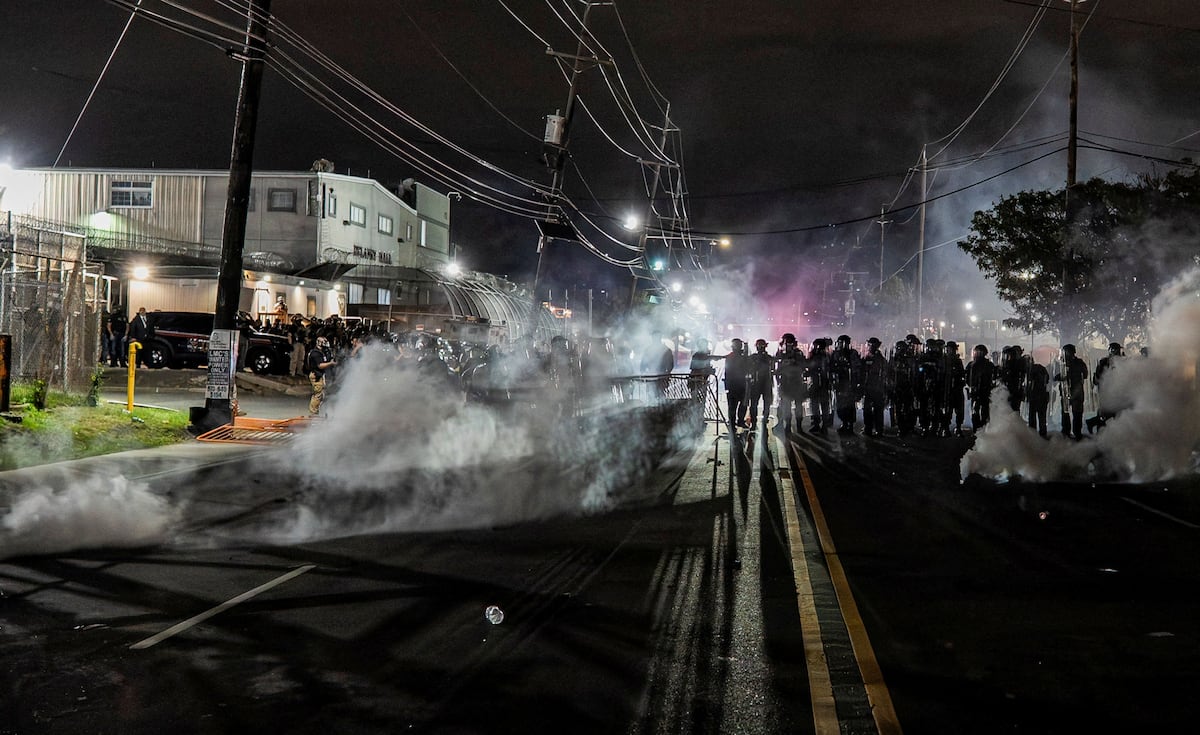
Tensions surrounding immigration enforcement have intensified across the United States, with significant unrest reported near detention facilities in New Jersey. As the administration moves forward with its stated agenda to ramp up deportation efforts and increase the use of detention centers, local communities and advocacy groups have mobilized to voice their opposition. These demonstrations, often occurring at sites like the Delaney Hall facility, have frequently resulted in confrontations between protesters and law enforcement agencies tasked with maintaining security at these federal and local sites.
The protests against U.S. Immigration policy have become a focal point for broader national debates regarding civil liberties, the role of Immigration and Customs Enforcement (ICE), and the logistical realities of mass detention. While participants argue that these policies represent a dangerous shift in governance, officials maintain that current enforcement measures are necessary to uphold the rule of law and manage border security under existing federal mandates. The situation on the ground remains fluid, as authorities attempt to balance the constitutional right to protest with the operational security requirements of detention centers.
The Escalation of Immigration Policy Protests
The current climate of protest is deeply rooted in the administration’s focus on the Department of Homeland Security’s enforcement priorities, which emphasize the apprehension and removal of individuals residing in the country without legal authorization. In New Jersey, as in other states, the use of local facilities to house detainees has drawn the ire of community organizers who view these partnerships as an extension of federal overreach. These demonstrations are not merely symbolic; they represent a direct challenge to the mechanisms of deportation and the expansion of the detention system.
In recent weeks, law enforcement agencies in New Jersey have faced mounting pressure to manage large crowds gathered outside detention centers. According to reports from local authorities, these gatherings have frequently escalated beyond peaceful assembly, leading to instances of civil disobedience that require intervention. The presence of law enforcement, often equipped for crowd control, serves as a physical manifestation of the policy divide: one side demanding the abolition of current enforcement practices, and the other enforcing federal statutes that govern immigration detention and removal, as outlined in the Immigration and Nationality Act.
Understanding the Role of Detention Facilities
Facilities such as Delaney Hall have historically served as sites for various correctional and detention purposes. The controversy arises when these locations are utilized for immigration-related detention, a practice that critics argue lacks sufficient transparency and oversight. Advocacy groups have consistently raised concerns regarding the conditions within these facilities, arguing that the rapid scaling of detention capacity negatively impacts the health and legal rights of those held. These organizations often cite the need for rigorous adherence to ICE Performance-Based National Detention Standards, which are intended to provide a framework for the treatment of detainees.

However, federal officials maintain that these facilities are essential components of the immigration infrastructure. The ability to detain individuals pending court hearings or removal proceedings is, according to government guidance, a critical tool in managing the immigration caseload. With the current administration signaling a more aggressive stance on enforcement, the reliance on these facilities is expected to remain a core feature of the national strategy. The intersection of local community pushback and federal policy objectives ensures that facilities like those in New Jersey will continue to be flashpoints for political and social friction.
Legal and Civil Implications
The legal landscape surrounding these protests is complex, involving constitutional protections under the First Amendment and the operational authority of local and federal police. When protests turn confrontational, the resulting arrests and use of crowd-control measures raise questions about the limits of state power. Legal observers note that while the right to protest is protected, it does not extend to the obstruction of government operations or the unauthorized entry into secure facilities. Official records indicate that individuals arrested during such demonstrations typically face charges ranging from disorderly conduct to obstruction of justice, depending on the specifics of the encounter.
For those interested in following the legal developments of these cases, the New Jersey Judiciary provides public access to case dockets and information regarding upcoming hearings. It is through these formal channels that the consequences of these protests will ultimately be adjudicated. As the administration continues to pursue its immigration agenda, the legal system will likely be tasked with balancing the rights of protesters against the enforcement mandates of the state, a process that is often leisurely, methodical, and subject to intense public scrutiny.
What Happens Next?
As of late 2024 and early 2025, the administration has signaled that its immigration enforcement efforts will continue to prioritize the removal of undocumented individuals who have received final orders of removal. This policy direction suggests that the pressure on detention centers will not abate in the short term. Community activists are organizing for further demonstrations, while law enforcement agencies are preparing for potential disruptions. The next significant checkpoint for this issue will likely be the upcoming legislative sessions, where funding for immigration enforcement and potential reforms to detention policies will be debated.
For citizens and residents concerned about the impact of these policies, official updates are available through the U.S. Immigration and Customs Enforcement website, which provides current information on enforcement operations and detention statistics. As this situation develops, it is essential to rely on verified information from official sources and established reporting to understand the implications for both the immigration system and the community. We encourage our readers to share their perspectives in the comments section below and stay informed as this critical national story unfolds.