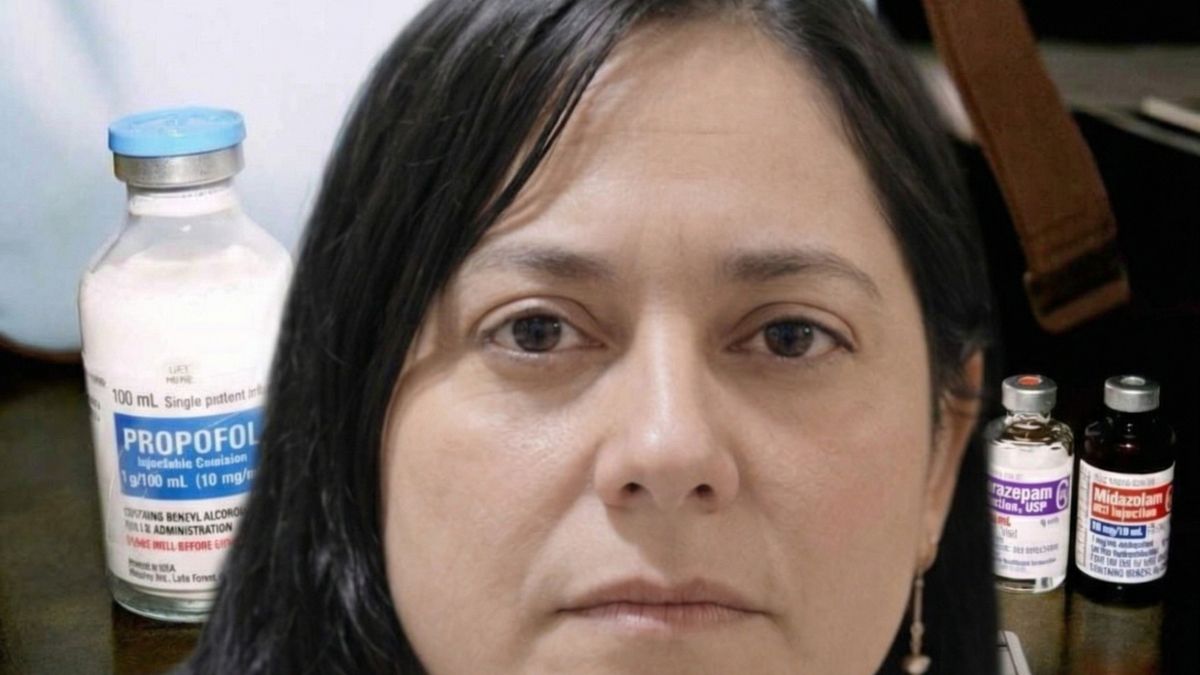
The medical community is sounding a stark alarm following reports of “propofol parties,” where potent hospital-grade anesthetics are allegedly used for recreational purposes. The controversy centers on the case of Fini Lanusse, an anesthesiologist accused of the systematic diversion of powerful pharmaceuticals from hospital operating rooms to facilitate clandestine gatherings.
Dr. Florencia Sánchez Castellano, a specialist in Intensive Care (UTI), has stepped forward to demystify the perceived “recreational” appeal of these substances, warning that their apply outside a controlled clinical environment carries an extreme risk of sudden death. According to Dr. Sánchez Castellano, the physiological impact of these drugs is absolute, regardless of whether they are administered in a surgery center or a private party.
The current investigation into the diversion of these supplies has sparked widespread public indignation, highlighting a dangerous intersection between medical professional access and illicit substance abuse. As judicial authorities probe the network within the operating rooms, health experts are working to communicate the lethal reality of using general anesthesia for leisure.
“The TV Turns Off”: The Physiological Impact of Unmonitored Anesthesia
Using the vivid metaphor “se apaga la tele” (the TV turns off), Dr. Florencia Sánchez Castellano (MN 154046) described the precipitous descent into unconsciousness that occurs when propofol is administered. The ICU specialist emphasized that these drugs are designed specifically to induce a state of general anesthesia, and their effects do not change based on the setting.
The primary danger lies in the loss of autonomy over the body’s most basic survival mechanisms. Dr. Sánchez Castellano warned that individuals under the influence of propofol and fentanyl “lose control of their vital functions.” In a hospital setting, this loss of control is managed by a trained anesthesiologist and a suite of life-support equipment; in a clandestine party, it becomes a recipe for imminent death.
The risk of sudden death is not a remote possibility but a direct consequence of how these sedatives function. Because the user enters a state of total unconsciousness, they cannot respond to respiratory distress or cardiac failure, which can occur rapidly when these potent agents are used without professional monitoring and titration.
The Fini Lanusse Scandal and the Diversion of Hospital Drugs
The medical warnings come in the wake of a “macabre scandal” involving Fini Lanusse, an anesthesiologist now at the center of an investigation regarding the theft of hospital supplies. The allegations suggest a systematic effort to divert propofol and fentanyl—two of the most potent drugs used in modern medicine—for use in private, illegal parties.
Propofol is a short-acting intravenous anesthetic used for the induction and maintenance of general anesthesia. Fentanyl, a synthetic opioid, is used for potent pain relief and sedation. Both require precise dosing and constant monitoring of oxygen saturation and heart rate. The diversion of these drugs from the sterile environment of the operating room to “propofol parties” represents a severe breach of medical ethics and a significant public health risk.
Justice officials are currently investigating the “dark network” within the hospitals to determine how such a large volume of controlled substances could be siphoned off without immediate detection. This case has underscored the vulnerability of pharmaceutical supply chains within healthcare institutions.
A Cultural Parallel: The Indio Solari Connection
As the details of the Fini Lanusse case emerged, the scandal took on an unexpected cultural dimension in Argentina. Social media users have revived a viral interview from the year 2000 featuring the legendary rock musician Indio Solari, former leader of Patricio Rey y sus Redonditos de Ricota.
In the archived interview with the supplement Sí of the newspaper Clarín, Solari reflected on the consumption of substances, drawing a sharp distinction between personal artistic exploration and professional responsibility. Solari had stated that while he understood an artist taking a substance to paint a picture or write a song because “it doesn’t bother anyone,” he imposed a “contundent limit” regarding the responsibilities of health professionals.
Netizens have pointed to this 25-year-ancient commentary as a premonitory critique of the current situation, where a medical professional’s access to lethal drugs was allegedly used to facilitate high-risk recreational activities, thereby violating the fundamental trust between the healthcare provider and the public.
Key Medical Risks of Recreational Propofol and Fentanyl
| Factor | Clinical Setting (Hospital) | Recreational Setting (Party) |
|---|---|---|
| Monitoring | Constant ECG, pulse oximetry, and blood pressure tracking. | None; user is unconscious and unmonitored. |
| Airway Management | Intubation or ventilation provided if breathing slows. | High risk of respiratory arrest or aspiration. |
| Dosing | Calculated by weight and health status by an MD. | Arbitrary and imprecise, leading to overdose. |
| Outcome | Controlled sedation for medical procedure. | Potential for sudden death (“the TV turns off”). |
The case of Fini Lanusse serves as a grim reminder that medical expertise does not neutralize the inherent lethality of general anesthetics when used outside of strict clinical protocols. The diversion of these drugs is not merely a legal crime but a profound betrayal of the medical oath to “do no harm.”
The judicial investigation continues as authorities seek to map the full extent of the drug diversion network. Further updates regarding charges and court proceedings are expected as the investigation into the operating room leaks progresses. Detailed medical warnings and legal developments remain a point of intense public scrutiny.
We invite our readers to share their thoughts on the oversight of controlled substances in hospitals in the comments section below. Please share this article to help spread awareness about the dangers of unmonitored sedative use.
Related reading
- The E-Bike and Bicycle Boom After Corona: Current Market Developments and Industry Trends
- XRP Healthcare Introduces New AI Agents to Transform the XRPH AI App Experience
- Penang Suspends ANPR Parking Enforcement Following Public Backlash (time.news)
- Mount Nittany Health Warns of Potential Measles Exposure at Pennsylvania Locations (newsdirectory3.com)