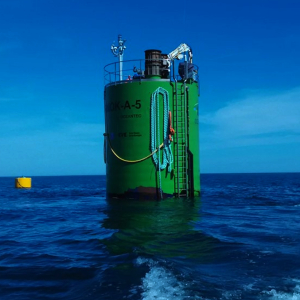
As the global transition toward renewable energy intensifies, engineering firms are increasingly looking toward the kinetic power of the ocean to diversify the energy mix. Among the emerging technologies in this space is the floating wave energy converter, a system designed to harness the movement of the sea to generate electricity. IDOM, a multinational engineering and consulting corporation, has been actively engaged in the development of this sector, notably through its work with wave power devices.
The pursuit of reliable marine energy, specifically through the use of floating wave energy converters, represents a significant technical challenge in the field of sustainable infrastructure. By utilizing an oscillating water column—a technology that captures air pressure changes within a submerged chamber as waves rise and fall—engineers aim to convert mechanical wave energy into stable electrical power. IDOM’s involvement in this field has been bolstered by its acquisition of the developer Oceantec, which focuses on the MARMOK-A-5 device, an example of this oscillating water column technology as noted in company records and historical documentation.
Engineering the Future of Wave Power
The MARMOK-A-5 device functions by allowing waves to enter a chamber, which compresses the air inside. This pressurized air is then forced through a turbine, typically a Wells turbine, which rotates regardless of the direction of the airflow. This mechanical rotation drives a generator to produce electricity. The floating nature of the platform allows it to be deployed in deeper waters where wave energy density is often higher and more consistent than in near-shore environments.
For engineering firms like IDOM, the integration of these devices into a broader industrial strategy involves addressing the harsh realities of marine environments, such as corrosion, extreme weather, and the logistical complexities of subsea maintenance. The firm, which was founded in 1957 by Rafael Escolá, has transitioned from traditional civil engineering into a multidisciplinary group that now operates across five continents, as detailed in official company profiles. Their approach to energy projects often involves a combination of consulting, design, and technical oversight to ensure that renewable assets remain viable over long operational lifecycles.
Technological Challenges and Industrial Scaling
While the potential for wave energy is vast, the technology remains in a developmental phase compared to mature sectors like wind, and solar. The primary hurdle for wave energy converters is achieving cost-competitiveness with established energy sources. This requires not only engineering precision but also a robust supply chain and standardized maintenance protocols. IDOM’s strategy, as reflected in their recent industrial operations, emphasizes the use of advanced data analytics and artificial intelligence to optimize the performance of such complex systems.
In mid-May 2026, IDOM highlighted the growing role of artificial intelligence in managing industrial operations, a trend that is increasingly relevant to the remote monitoring of offshore energy installations. By applying AI to predictive maintenance, operators can anticipate component wear and tear before it results in costly downtime for offshore hardware. This digital transformation is a key component of how modern engineering firms manage the transition from experimental prototypes to commercial-scale energy production, as evidenced by the firm’s recent corporate updates and project disclosures.
What This Means for the Renewable Sector
The testing and refinement of wave energy devices in real-world conditions, such as those found in the Bay of Biscay, provide critical data that cannot be replicated in a laboratory. These trials help engineers understand the structural integrity of floating platforms under varying sea states and the efficiency of energy conversion during both calm and turbulent weather. For stakeholders in the renewable energy market, successful trials are essential for securing the investment needed to scale these technologies.
As the industry moves forward, the focus is likely to remain on modularity and ease of installation. If wave energy can demonstrate reliable output at a competitive price point, it could become a vital contributor to the decarbonization of coastal regions and island nations that currently rely on imported fossil fuels. The ongoing work by firms like IDOM serves as a barometer for the health and progress of the marine energy sector, signaling a shift toward more sophisticated, data-driven approaches to ocean-based power generation.
For those interested in following the trajectory of marine energy and industrial engineering, official corporate announcements remain the most reliable source for updates regarding project milestones and technical performance. You can monitor the progress of IDOM’s energy projects and their broader consulting initiatives through their official communication channels, which provide the most accurate view of their ongoing work in the global energy transition.
What are your thoughts on the future of marine energy? Do you believe wave power will eventually rival wind and solar in terms of cost and reliability? Join the conversation in the comments section below and share your insights on the technological roadmap for a more sustainable future.