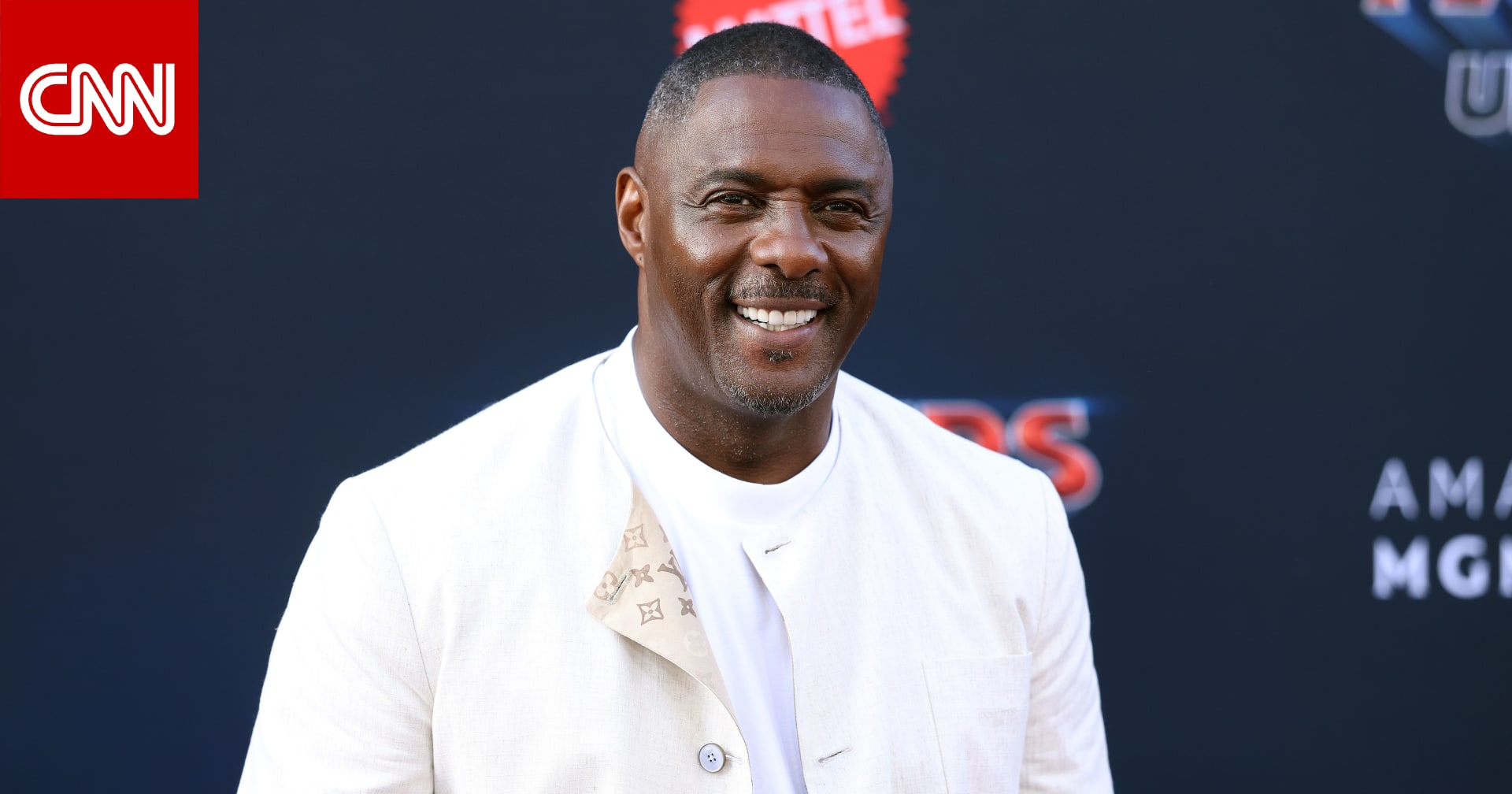
Idris Elba has expressed reservations regarding the potential for a Black actor to portray James Bond, citing concerns that a segment of the audience may not accept a departure from the character’s traditional racial identity. The actor suggested that while the conversation around diversifying the iconic 007 franchise continues, the public’s attachment to the established image of the character remains a significant hurdle for casting decisions.
In addressing the long-standing rumors linking him to the role, Elba noted that the character of James Bond should ideally remain “just Bond,” rather than becoming a focal point for discussions on race or cultural shifts. His comments highlight the tension between modernizing legacy franchises and managing the expectations of a global fanbase that has viewed the character through a specific lens for decades.
The casting of the next James Bond follows the departure of Daniel Craig, whose tenure ended with the 2021 release of No Time to Die. Since that time, Eon Productions has maintained a strict policy of confidentiality regarding the identity of his successor, leading to intense speculation and frequent mentions of high-profile actors, including Elba.
Why Idris Elba has addressed the James Bond casting rumors
For several years, Idris Elba has been a primary subject of fan speculation and media reports concerning the next iteration of 007. However, the actor has clarified his position on the matter, suggesting that the reality of the casting process differs from the public narrative. Elba has indicated that he was not an official candidate in previous casting cycles, despite the persistent rumors circulating in entertainment media.
The actor’s comments regarding the “acceptance” of a Black actor in the role stem from an analysis of how audiences react to changes in character archetypes. According to reports on his recent interviews, Elba expressed that the transition to a Black lead could be met with resistance from traditionalists who view the character’s British, white identity as inseparable from the role. He emphasized that the goal for any actor should be to inhabit the essence of the character so effectively that the persona of “Bond” supersedes any other demographic identifiers.
This perspective aligns with a broader debate within the film industry regarding “legacy characters.” As studios attempt to refresh long-running franchises, they often face a dichotomy: the desire to reflect a modern, diverse global audience versus the need to satisfy a core demographic that values continuity and historical accuracy to the source material.
The official stance of Eon Productions on the next 007
While fans and media outlets frequently link names to the role, the decision-making authority rests solely with Eon Productions. Producers Barbara Broccoli and Michael G. Wilson have repeatedly stated that the search for the next James Bond is an ongoing process that requires finding an actor who can commit to the role for a decade or more.
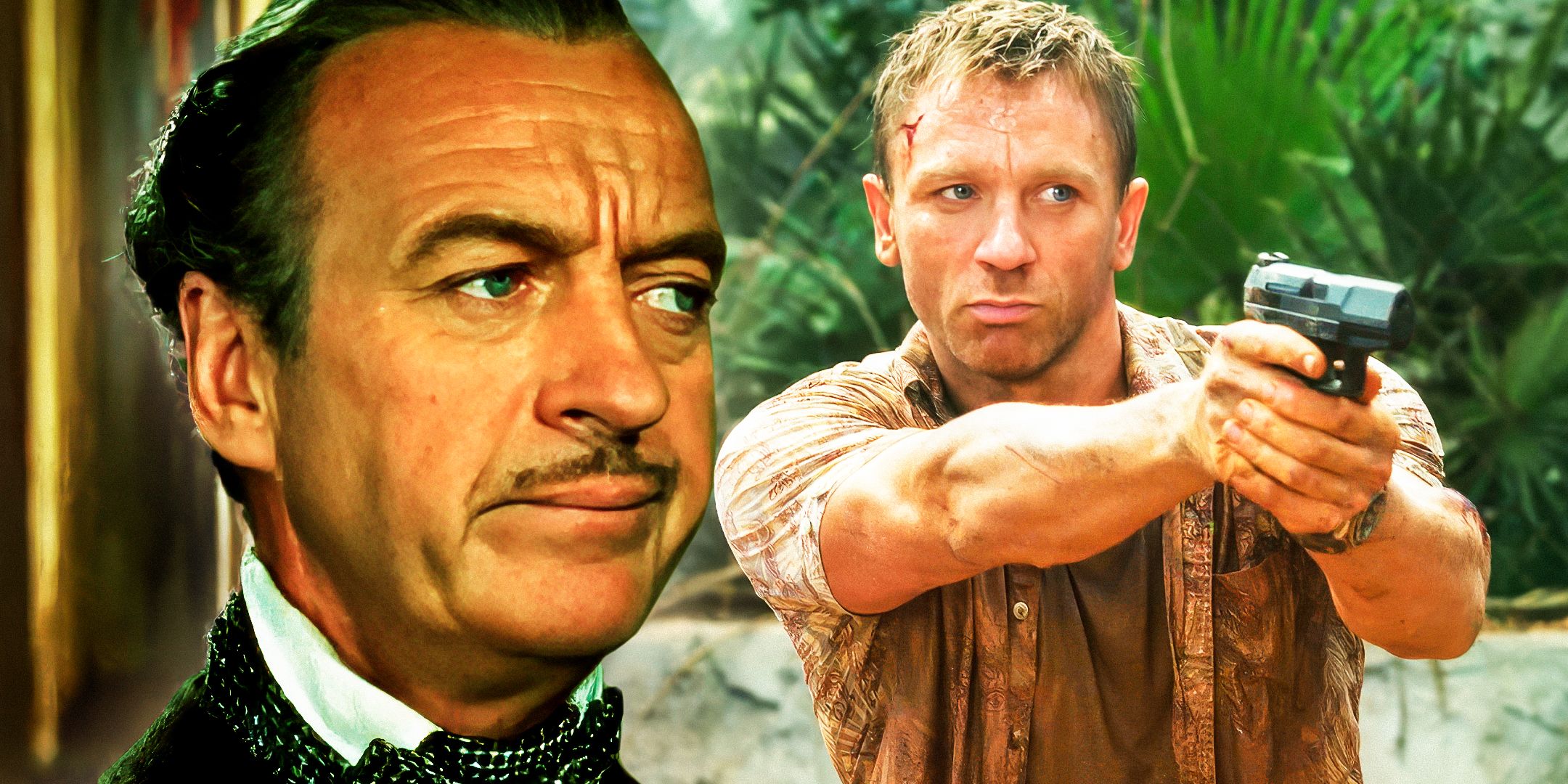
Broccoli has previously commented on the “reinvention” required for the character. In various industry discussions, the producers have indicated that the next Bond will not simply be a continuation of Daniel Craig’s gritty, emotional portrayal, but a new iteration that fits the evolving landscape of the franchise. This search involves more than just finding a talented actor; it includes finding a performer who can carry the cultural weight of the 007 brand.
To date, Eon Productions has not released an official shortlist or confirmed any specific casting intentions. The production team has remained focused on the creative direction of the scripts before finalizing the lead, a strategy intended to ensure that the character’s new trajectory is established before a performer is attached.
The history of James Bond and the debate over character identity
The character of James Bond, created by novelist Ian Fleming in 1953, has undergone numerous stylistic and tonal shifts. From the campy, gadget-heavy era of Sean Connery and Roger Moore to the more grounded, psychological approach of Daniel Craig, the character has always been a reflection of the era in which the films were produced.
The discussion regarding the race of James Bond is not a new phenomenon in the franchise’s history. As the films have expanded into a global phenomenon, the demographic makeup of the audience has shifted significantly. This has led to a recurring debate within film criticism and fan communities regarding whether Bond’s identity is defined by his ethnicity or by his profession and persona.
The following table summarizes the different perspectives currently shaping the casting discussion:
| Perspective | Core Argument | Primary Concern |
|---|---|---|
| Traditionalist | Bond must adhere to the racial and cultural identity established in the Fleming novels. | Loss of franchise continuity and fan alienation. |
| Modernist | The role is a professional designation that should reflect the diversity of a modern world. | Failing to evolve and losing relevance with younger, diverse audiences. |
| Elba’s Middle Ground | The actor must be so convincing that the character becomes “just Bond.” | The risk of the casting becoming a political statement rather than a performance. |
The impact of fan expectations on franchise casting
The commercial success of the James Bond franchise depends heavily on its ability to maintain a massive, loyal following. This loyalty creates a unique challenge for producers. Unlike standalone films, a Bond movie is part of a continuous cinematic lineage. Any casting decision that deviates too far from the perceived “norm” risks triggering significant backlash on social media and within traditional film circles.
This phenomenon has been observed in other major franchises, such as the Marvel Cinematic Universe and Star Wars, where changes to established characters have frequently sparked intense debate among fans. In the case of Bond, the stakes are heightened because the character is a symbol of British cultural identity as much as he is a fictional spy.
For an actor like Idris Elba, who possesses significant star power and a proven track record in high-stakes drama—such as his work in Luther and Hijack—the role represents both a pinnacle of career achievement and a potential lightning rod for controversy. His cautious approach suggests an awareness that the role of Bond is not merely an acting job, but a cultural responsibility.
Key Takeaways: The Future of 007
- Casting Status: No official successor to Daniel Craig has been announced by Eon Productions.
- Idris Elba’s Position: Elba has expressed that while he is interested in the concept of Bond, he believes the audience’s reaction to a change in the character’s race could be a complicating factor.
- Production Strategy: Producers Barbara Broccoli and Michael G. Wilson are focused on a “reinvention” of the character rather than a direct replacement.
- The “Bond” Identity: The debate centers on whether the character is defined by his heritage or his professional archetype.
The next major development in this story will likely come from Eon Productions regarding the creative direction of the next film or any official updates on the casting timeline. Until then, the identity of the next 007 remains one of the most closely guarded secrets in the entertainment industry.
What are your thoughts on the future of the James Bond franchise? Do you believe the character should remain strictly traditional, or is it time for a new direction? Let us know in the comments below and share this article with your network.
Keep reading