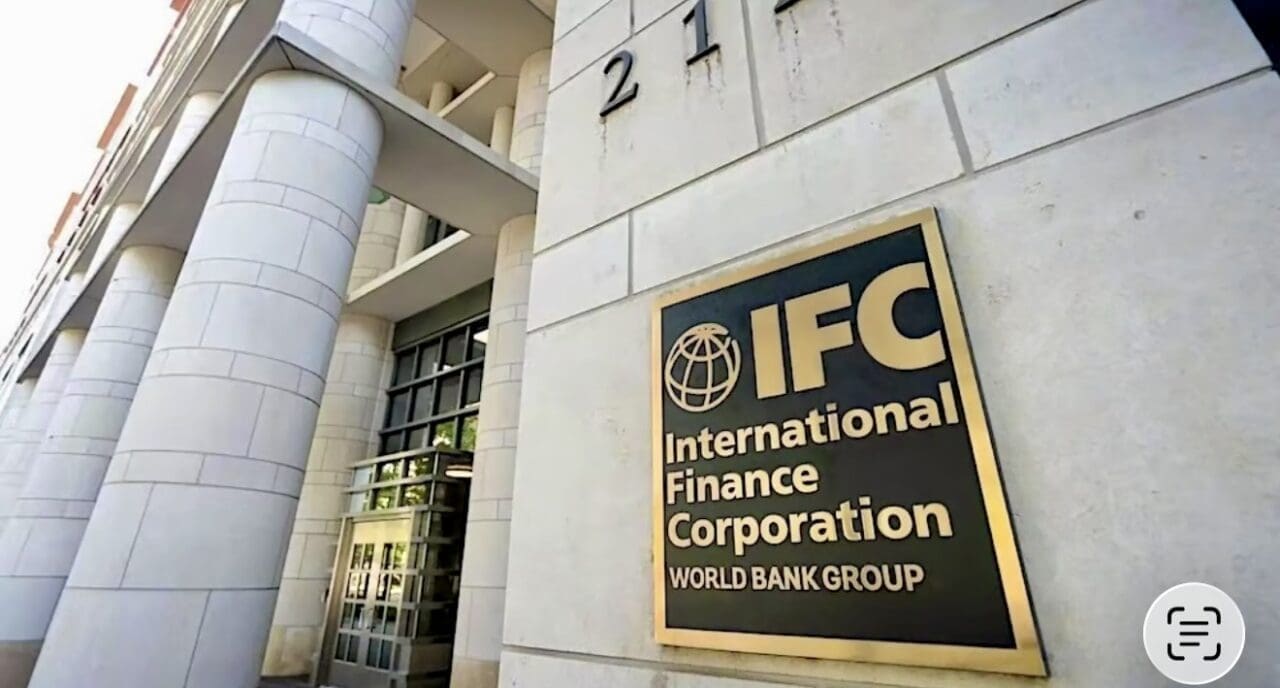
The International Finance Corporation (IFC), a member of the World Bank Group, has intensified its commitment to the West African financial sector, announcing a fresh capital injection designed to bolster small and medium-sized enterprises (SMEs). This initiative, which includes a total of $45 million in financing for Coris Bank and Vista Bank, represents a strategic effort to bridge the persistent credit gap that often hampers economic growth in Burkina Faso and Senegal. By providing liquidity to these regional banking powerhouses, the IFC aims to stimulate private sector development and enhance financial inclusion for businesses that are often underserved by traditional commercial lenders.
For entrepreneurs across the Sahel and coastal West Africa, access to capital remains the most significant barrier to scaling operations. The IFC’s latest move is part of a broader, long-term strategy to stabilize regional markets by strengthening the institutions that act as the backbone of the local economy. According to recent IFC press disclosures, the financing package is structured specifically to support the growth of SMEs, which contribute significantly to job creation and national GDP across the region. This development follows a series of similar interventions, including a $10 million facility provided by the IFC to support SMEs in Chad, demonstrating a coordinated effort to deepen financial market penetration across the continent.
Strategic Liquidity to Drive Economic Resilience
The allocation of $45 million is not merely a financial transaction; it is a targeted intervention aimed at mitigating the risks associated with lending to smaller enterprises in volatile economic environments. By partnering with established regional players like Coris Bank and Vista Bank, the IFC leverages existing local knowledge and branch networks to reach businesses that would otherwise struggle to secure formal credit. This model of “blended finance” helps banks manage their risk profiles, enabling them to extend loans with longer tenures and more favorable interest rates to their SME clients.

SMEs in Senegal and Burkina Faso operate in sectors ranging from agribusiness to retail and manufacturing, all of which are critical for regional economic stability. The World Bank Group has long identified that SME financing is essential for poverty reduction and economic resilience, particularly in emerging markets. By providing this capital, the IFC is effectively acting as a catalyst for private investment, encouraging commercial banks to expand their portfolios in segments that are traditionally viewed as high-risk.
Addressing the SME Credit Gap
The “missing middle”—businesses that are too large for microfinance but too small to attract the attention of large international investment banks—remains a major hurdle for regional development. The IFC’s focus on Coris Bank and Vista Bank addresses this directly. Coris Bank, which has seen significant growth in recent years, serves as a vital conduit for capital in the UEMOA (West African Economic and Monetary Union) zone. Similarly, Vista Bank’s expanding footprint in West Africa makes it a key partner for cross-border trade and local enterprise support.

Financial inclusion in these regions is not just about the availability of cash; it is about the integration of digital tools and professional management practices that these banks are now better positioned to promote. As these banks receive support from global development finance institutions, they are often required to adhere to stricter environmental, social, and governance (ESG) standards, which in turn elevates the operational quality of the SMEs they fund.
What This Means for the Regional Market
The impact of this $45 million injection is expected to be felt across the supply chains of the local economies. When an SME in Dakar or Ouagadougou gains access to a loan to purchase equipment or expand its inventory, the multiplier effect on local employment is immediate. These financing arrangements often come with technical advisory services from the IFC, helping the banks improve their credit assessment processes and digital banking capabilities.
For investors and stakeholders, this signal from the IFC suggests a continued appetite for risk in the West African banking sector, provided there is a strong local partner involved. The IFC’s financial institutions group continues to prioritize these partnerships as a primary vehicle for achieving its development goals. As these banks deploy the funds, the focus will likely shift to monitoring the disbursement rates and the subsequent growth metrics of the SME beneficiaries.
Key Takeaways for Stakeholders
- Targeted Support: The $45 million package is specifically ring-fenced for SME financing, ensuring that the liquidity reaches the real economy rather than being absorbed by sovereign debt or large corporate conglomerates.
- Regional Depth: By working with Coris Bank and Vista Bank, the IFC is reinforcing the capacity of regional banking champions to provide services across borders within the UEMOA zone.
- Risk Mitigation: The involvement of the IFC provides a “stamp of approval” that can attract further private capital and help stabilize the balance sheets of these regional banks.
- Economic Impact: Enhanced access to credit for SMEs is directly correlated with higher rates of job creation and improved local production capacity in sectors like agriculture and manufacturing.
Looking Ahead
While the infusion of capital is a positive step, the long-term success of this initiative will depend on the stability of the local business environment and the ability of SMEs to absorb and manage new debt effectively. Stakeholders should look for upcoming quarterly reports from the participating banks, which will likely provide more granular data on the number of SMEs reached and the specific sectors benefiting from the new credit lines. The IFC is expected to continue its oversight and advisory roles to ensure that the financing achieves its intended development outcomes.
As the regional banking sector continues to evolve, the integration of digital finance and the strengthening of regulatory frameworks will be the next major milestones. For business owners seeking to understand how to access these new credit facilities, reaching out to local branch managers at Coris Bank or Vista Bank for information on SME-specific loan products is the recommended first step. The IFC typically provides updates on its regional progress through its official newsroom portal, which remains the most reliable source for tracking the deployment of these funds.
What are your thoughts on the role of international finance in local banking? Share your insights in the comments section below, and subscribe to our newsletter for the latest updates on global economic trends and regional business news.
Worth a look