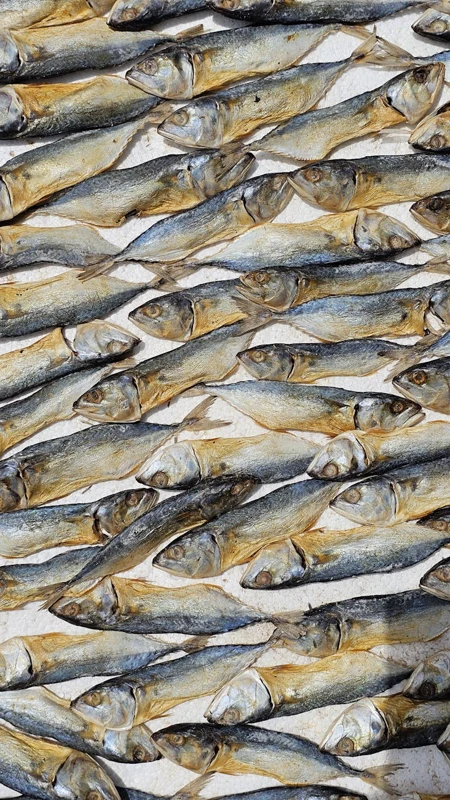
In the realm of nutritional science and oncology, few topics have sparked as much persistent debate as the relationship between traditional preserved foods and cancer risk. Specifically, questions regarding whether salty fish and salted eggs trigger nasopharyngeal cancer have circulated in public health discussions for years. As we navigate the complex landscape of dietary habits and their long-term impact on health, it is essential to distinguish between cultural tradition, anecdotal concern and rigorous clinical evidence.
The conversation surrounding preserved foods often centers on the presence of carcinogenic compounds formed during specific processing methods. However, understanding the actual risk requires a nuanced look at how global health authorities, such as the International Agency for Research on Cancer (IARC), classify these dietary factors. Distinguishing between correlation and direct causation is the first step toward making informed decisions about our daily diets.
Understanding the Link: Carcinogens and Preservation
The primary concern regarding foods like salted fish—often referred to as ikan asin in various Southeast Asian contexts—is not the fish itself, but the traditional method of preservation. High-salt curing processes, particularly when performed at high temperatures, can facilitate the formation of volatile nitrosamines. According to research published by the National Cancer Institute, there is a documented association between the consumption of Cantonese-style salted fish and an increased risk of nasopharyngeal carcinoma, particularly when consumption occurs during childhood.

It is crucial to note that this risk is highly dependent on regional preparation techniques and the frequency of intake. The biological mechanism involves the exposure of the nasopharynx to these nitrosamines, which can induce genetic mutations over time. This does not mean that every instance of consuming preserved fish will lead to illness; rather, it highlights the importance of dietary patterns and the moderating role of overall lifestyle choices in cancer prevention.
The Role of Salted Eggs and Nutritional Context
While salted fish has been a focal point of epidemiological studies, the evidence regarding salted eggs is far less definitive. Salted eggs are typically preserved through brining or coating in salted clay. Unlike the specific fermentation and drying processes associated with traditional salted fish, the chemical profile of salted eggs does not typically involve the same level of nitrosamine production.
From a public health perspective, the concern with highly processed, salt-heavy foods is often broader than just cancer risk. Excessive sodium intake is a well-established driver of hypertension and cardiovascular disease. The World Health Organization consistently advises that reducing sodium intake is a key strategy for improving global health outcomes. When evaluating the health profile of any food, it is helpful to look at the entire nutritional composition rather than focusing on a single, often overstated, cancer-related fear.
Fact vs. Fiction: Navigating Dietary Advice
Misinformation often thrives when complex medical studies are simplified for general consumption. The internet is replete with headlines claiming that specific foods are “triggers” for cancer, often failing to account for the dosage, frequency, and genetic predispositions that play a far more significant role in disease development. For example, while certain preserved foods are classified as carcinogenic, this classification is based on long-term, high-volume consumption rather than occasional intake.
To maintain a balanced perspective, consider the following:
- Moderation is Key: Occasional consumption of traditional foods is rarely the sole cause of chronic illness.
- Dietary Diversity: A diet rich in fresh vegetables, fruits, and lean proteins can help mitigate the effects of less healthy, processed food choices.
- Consult Professionals: Always seek advice from registered dietitians or medical doctors when making significant changes to your diet based on health scares or news reports.
Moving Forward: A Balanced Approach
As we continue to analyze the intersection of diet and health, the consensus remains that there is no “magic bullet” for cancer prevention. Instead, the World Health Organization emphasizes that one-third of cancer deaths are linked to five leading behavioral and dietary risks, including high body mass index, low fruit and vegetable intake, lack of physical activity, tobacco use, and alcohol use. Focusing on these foundational pillars of health is far more effective than eliminating single food items based on sensationalized claims.

The next official update regarding global dietary guidelines for cancer prevention is expected to be released by major international health bodies in the coming year. We encourage our readers to stay informed through official channels and to approach viral health claims with a healthy dose of skepticism.
Have you encountered confusing health advice online? Share your thoughts in the comments below or join our newsletter for verified, science-based health updates delivered directly to your inbox.
Related reading