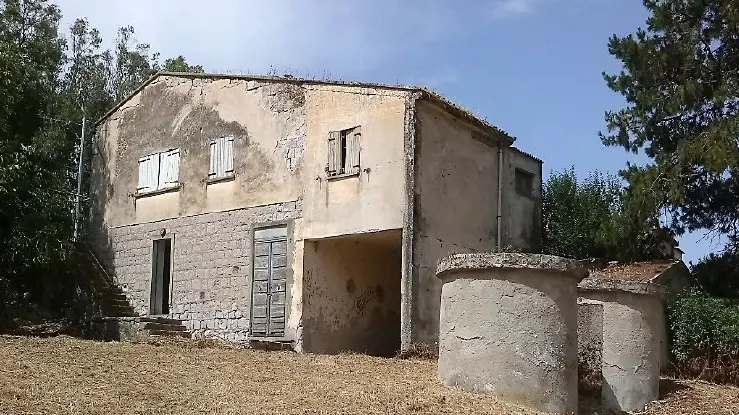
The ambitious vision to transform the historical site of the former Laore complex in Laconi, Sardinia, into a high-end, “7-star” luxury tourism destination has stalled, casting a shadow over regional development efforts. What was framed as a flagship project for local economic revitalization has instead become a case study in bureaucratic and financial stagnation, as reports confirm that the anticipated investment funds for the renovation of the site’s ruins have failed to materialize.
For the residents of Laconi and stakeholders in the Sardinian tourism sector, the lack of progress represents a significant missed opportunity. The site, overseen by the regional agricultural agency Laore Sardegna, was intended to serve as a catalyst for luxury hospitality in the interior of the island—a region often overshadowed by the coastal prominence of the Costa Smeralda. However, the failure to secure or distribute the promised capital has left the historic structures in a state of continued decay, drawing sharp criticism from local administrative bodies and regional observers.
The Financial Impasse at the Laconi Site
At the heart of the controversy is the disconnect between the project’s ambitious promotional narrative and the harsh reality of its financial backing. While the “7-star” branding suggested a level of investment commensurate with ultra-luxury international standards, the actual flow of funds required to stabilize the ruins and begin redevelopment has remained nonexistent. According to records concerning the management of regional assets, the lack of financial commitment from the private entities involved has effectively paralyzed the project’s advancement.

The site, which falls under the purview of the Ente Regionale per lo Sviluppo in Agricoltura (Laore), requires substantial intervention to address structural instability and historical preservation requirements. As noted in regional oversight reports, the failure to finalize the financial agreements has not only halted physical work but has also prevented the municipality from moving forward with long-term tourism infrastructure planning. This situation underscores a broader, recurring challenge in Sardinia: the difficulty of bridging the gap between grand architectural concepts and the practical, often arduous, process of securing verifiable private equity for interior development projects.
Tourism Strategy and the Interior Development Gap
The Laconi project was initially positioned as a vital component of a wider strategy to diversify Sardinia’s tourism portfolio. By targeting the high-spending luxury market, proponents hoped to create year-round employment opportunities in the Sarcidano sub-region. However, the reliance on high-concept, high-cost models without secured funding highlights the risks inherent in such ambitious regional development schemes.

Economic analysts have long pointed to the need for more sustainable, integrated development models in Sardinia’s interior. While the coastal regions continue to thrive as global luxury hubs, inland areas like Laconi face structural barriers to entry, including limited transport connectivity and the high cost of restoring heritage properties. The stagnation at the Laore site serves as a reminder that without transparent financial backing and rigorous due diligence, even the most lauded development plans remain vulnerable to collapse.
Next Steps for the Laconi Complex
As of May 2026, the status of the site remains in limbo, with municipal authorities and regional agencies facing pressure to clarify the future of the derelict structures. The primary challenge moving forward is determining whether the project can be salvaged through a restructured financial agreement or if the local government must pursue alternative development pathways that do not rely on the stalled luxury model.
The next anticipated update is expected to come from regional administrative sessions regarding the management of agricultural and heritage assets. Stakeholders are closely watching for any official filings or legal resolutions that might define the site’s trajectory, particularly regarding the potential for public-private partnerships that adhere to more realistic financial projections. For now, the future of the Laconi site remains a point of contention and a cautionary tale for regional development planning.
We invite our readers to share their perspectives on the balance between luxury tourism development and historical preservation. Are there specific models from other regions that you believe could work for Sardinia? Join the conversation in the comments section below.
Worth a look