
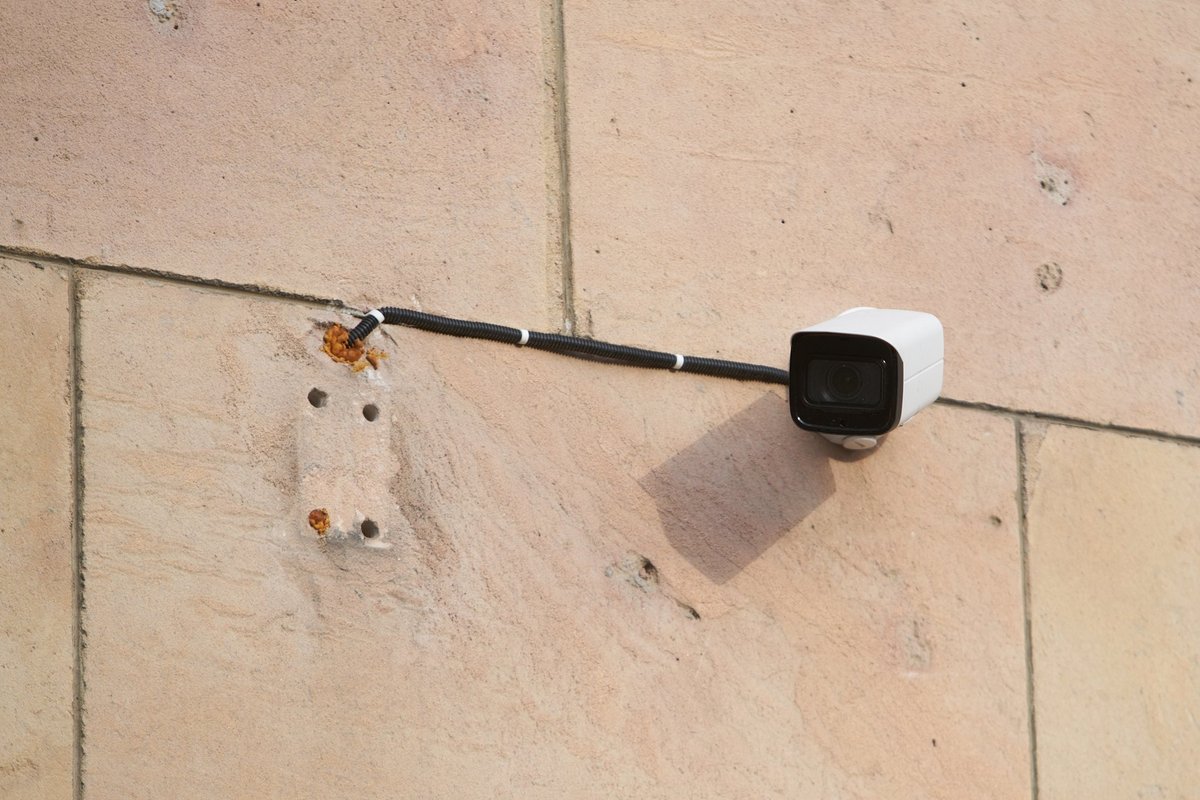
Lithuanian authorities have launched a criminal investigation into the installation of illegal surveillance cameras in public spaces across several cities, raising significant concerns about privacy violations and potential misuse of personal data. The probe, initiated by the Lithuanian State Data Protection Inspectorate (VDI), follows multiple reports from residents who discovered unauthorized devices capturing footage in areas such as parks, residential courtyards and near government buildings. Officials emphasize that the investigation focuses on identifying those responsible for deploying the cameras and assessing whether the collected data was used for unlawful purposes, including stalking or blackmail.
The State Data Protection Inspectorate confirmed that preliminary findings indicate the cameras were often disguised as innocuous objects—such as birdhouses, utility boxes, or decorative fixtures—to avoid detection. In one case reported in Vilnius, a device hidden inside a fake electrical outlet was found to have been recording continuously for over six months before being discovered by a vigilant resident. VDI spokesperson Agnė Šimkienė stated that while the exact number of devices remains under investigation, early estimates suggest dozens of illegal cameras may have been operational across the country since late 2023.
Lithuania’s Law on the Legal Protection of Personal Data, which aligns with the European Union’s General Data Protection Regulation (GDPR), strictly prohibits the covert collection of personal data without explicit consent. Violations can result in fines of up to €20 million or 4% of global annual turnover, whichever is higher, under GDPR provisions. The VDI has urged anyone who suspects they have encountered an illegal surveillance device to report it immediately through their official hotline or online portal, emphasizing that public vigilance is critical to curbing such invasions of privacy.
Legal experts warn that the case highlights growing challenges in enforcing digital privacy rights as surveillance technology becomes more accessible and affordable. Professor Dainius Žalimas, a constitutional law specialist at Vilnius University, noted that while Lithuania has robust data protection laws on paper, enforcement remains inconsistent, particularly when perpetrators operate anonymously or use sophisticated concealment methods. He added that the investigation could set a precedent for how Baltic states address emerging threats to privacy in the digital age.
Investigation Expands as More Victims Come Forward
As the investigation progresses, the State Data Protection Inspectorate has reported a steady increase in reports from citizens who believe they were targeted by the illegal cameras. By mid-June 2024, the VDI had logged over 120 separate incidents across Lithuania’s major cities, including Vilnius, Kaunas, and Klaipėda, with the highest concentration reported in the capital’s Šnipiškės district. Many victims described discovering the devices only after noticing unusual objects in familiar locations or receiving unexplained notifications on their smartphones about unfamiliar Wi-Fi networks.
In response to the growing number of reports, the VDI has partnered with Lithuania’s National Cyber Security Centre (NKSC) to conduct technical analyses of recovered devices. Preliminary examinations reveal that many of the cameras used standard Wi-Fi connectivity to transmit footage to remote servers, often located outside Lithuania’s jurisdiction. This complicates efforts to trace the origin of the devices and identify those responsible, as data may be routed through servers in countries with weaker data protection laws.
The NKSC has issued a public advisory urging residents to regularly check for unfamiliar wireless networks in their vicinity and to inspect common hiding spots for cameras, such as smoke detectors, power outlets, and outdoor lighting fixtures. They similarly recommend using network scanning tools to detect unknown devices connected to local Wi-Fi networks, though they caution that such tools should be used responsibly to avoid violating others’ privacy.
Victims’ advocacy groups have called for stronger preventative measures, including mandatory registration of all surveillance equipment used in public spaces and increased funding for public awareness campaigns about digital privacy rights. The Lithuanian Human Rights Centre has offered free legal consultations to those affected, helping them understand their rights under GDPR and navigate the process of filing complaints with the VDI.
Legal and Technical Challenges in Prosecution
Prosecuting those behind the illegal surveillance network presents significant legal and technical hurdles, according to legal analysts and law enforcement officials. One major challenge is the difficulty in attributing the devices to specific individuals, as many were purchased anonymously online or through third-party sellers. The use of encrypted communication channels and offshore servers for data storage makes it tricky for Lithuanian authorities to gather admissible evidence for court proceedings.
Lithuanian prosecutors have acknowledged that while they can seize and analyze the physical devices, proving intent to misuse the collected data—such as for blackmail or stalking—requires additional evidence that may not always be recoverable. Prosecutor Martynas Laukaitis from the Vilnius Regional Prosecutor’s Office explained that investigators often rely on circumstantial evidence, such as the placement of cameras in private areas like bathroom windows or bedroom views, to infer malicious intent.
Technical experts from Vilnius Gediminas Technical University have noted that some of the recovered devices employed advanced features like motion-triggered recording and night vision capabilities, suggesting a level of sophistication beyond casual misuse. These features, they argue, indicate that the perpetrators may have had specific surveillance objectives rather than acting opportunistically.
Despite these challenges, the VDI remains committed to pursuing all available legal avenues. The agency has stated that it will continue to collaborate with international partners, including Europol and the European Data Protection Board, to share intelligence and explore cross-border investigative techniques. They emphasized that even if criminal prosecution proves difficult, administrative fines under GDPR can still be imposed on those found responsible for the illegal data collection.
Public Response and Preventative Measures
The revelation of the illegal surveillance network has sparked widespread public concern about privacy and safety in Lithuania’s urban environments. Social media platforms have seen a surge in discussions about how to detect hidden cameras, with many users sharing tips and personal experiences of discovering suspicious devices. A viral TikTok video demonstrating how to use a smartphone flashlight to detect camera lenses in low-light conditions garnered over 500,000 views within a week of the investigation’s public announcement.
In response to public anxiety, the Lithuanian government has announced plans to launch a nationwide public awareness campaign later this year. The campaign will focus on educating citizens about their privacy rights under GDPR, how to identify potential surveillance devices, and the proper channels for reporting suspicions. The Ministry of the Interior has allocated €150,000 for the initiative, which will include workshops in schools and community centers, as well as multilingual informational materials distributed online and in public spaces.
Retailers selling surveillance equipment have also begun to implement voluntary measures to prevent misuse. Major electronics chains in Lithuania, such as Eurovaistinė and Technorama, have confirmed they are reviewing their sales policies to ensure that certain types of covert surveillance gear are not sold to individuals without proper justification. However, they noted that completely preventing misuse remains challenging due to the widespread availability of such equipment through international online marketplaces.
As the investigation continues, authorities stress that the incident serves as a stark reminder of the ongoing tension between technological advancement and the protection of fundamental rights in the digital era. They urge citizens to remain vigilant while trusting that ongoing efforts by data protection authorities and law enforcement will help safeguard privacy across Lithuania.
For the latest updates on the investigation, the public is encouraged to visit the official website of the Lithuanian State Data Protection Inspectorate or follow their verified social media channels. Those who suspect they have encountered an illegal surveillance device are advised to document their findings carefully and report them promptly to the appropriate authorities.