
The Balbo Monument, a Roman column gifted to the city of Chicago by the Italian government in 1934, remains the subject of ongoing local debate regarding its historical context and continued presence in Burnham Park. While recent discussions have surfaced regarding the potential removal of the monument—which commemorates the transatlantic flight of Italian aviator Italo Balbo—municipal authorities have maintained the status quo, effectively dismissing calls for its immediate relocation.
The column, carved from stone taken from the ancient port of Ostia, was presented to Chicago as a gesture of goodwill during the 1933-1934 Century of Progress World’s Fair. According to the Chicago Department of Cultural Affairs and Special Events, the monument serves as a documented piece of the city’s public art collection, reflecting a specific era of international diplomacy. Despite its historical origins, the monument has faced scrutiny in recent years due to Italo Balbo’s prominent role as a high-ranking official in the National Fascist Party of Italy.
Historical Origins of the Balbo Monument
The monument was a gift from Benito Mussolini’s government to the city of Chicago to honor the 1933 flight led by Italo Balbo. Balbo led a squadron of 24 seaplanes from Orbetello, Italy, to Chicago, landing on Lake Michigan during the World’s Fair. The flight was widely celebrated at the time as a feat of aviation engineering. Following the event, the Roman column was installed near the lakefront, a location it has occupied for nearly nine decades.
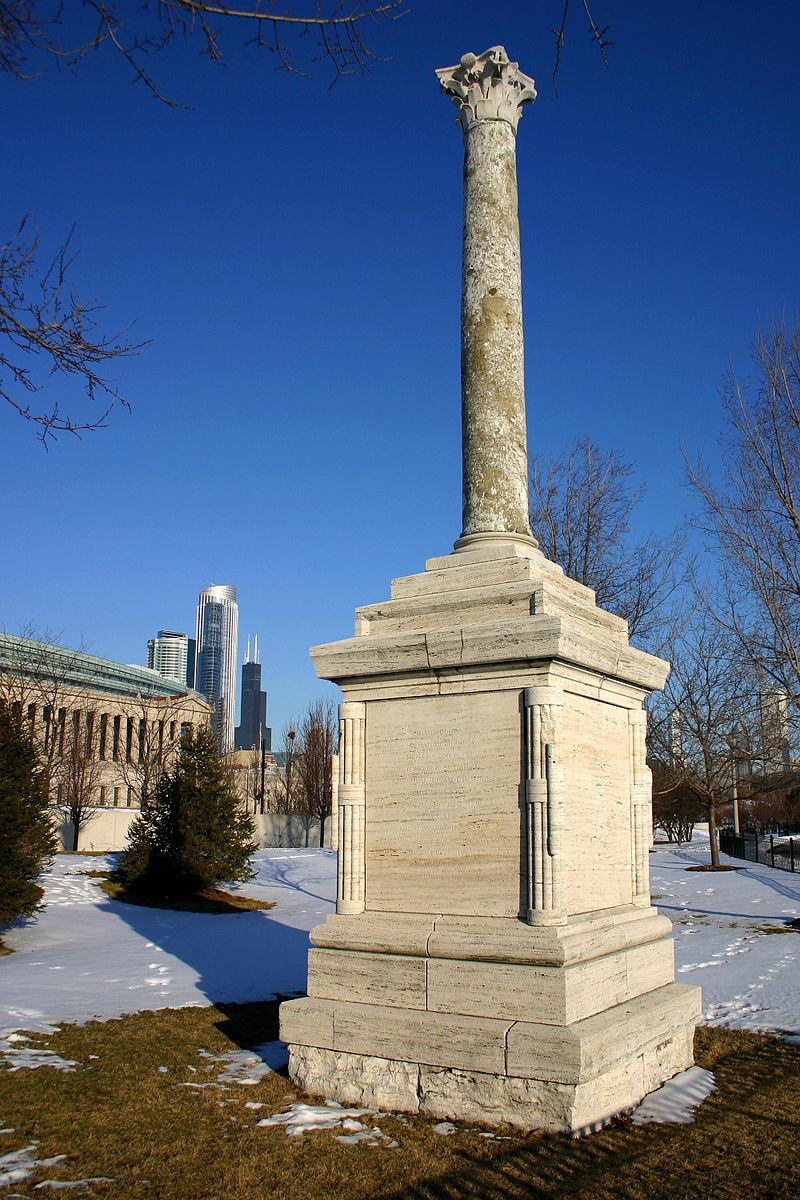
The column itself is an artifact of the Roman era, dating back to the second century, and was transported to the United States specifically for the fair. Historical records maintained by the Art Institute of Chicago and city archives confirm that the gift was intended to symbolize the ties between the Italian-American community in Chicago and their country of origin during the interwar period. However, the subsequent rise of fascism and Balbo’s complicity in the regime’s actions have complicated the monument’s legacy in the modern political climate.
The Debate Over Public Monuments
Calls for the removal of the Balbo monument gained momentum alongside broader national movements to reevaluate public statuary and memorials dedicated to controversial historical figures. Critics argue that the column serves as a glorification of a fascist leader, while proponents of preservation often cite its status as a historical artifact and its significance to the Italian-American heritage in Chicago.
In response to petitions and public discourse, local officials have navigated a complex path. Unlike other monuments that have been removed following municipal review, the Balbo column has remained in place. According to statements reviewed by the Chicago Park District, the city has historically prioritized the preservation of such items as part of the broader civic landscape, provided they do not directly violate current public safety or anti-discrimination policies. No official legislative action to mandate the removal of the column has been passed by the Chicago City Council.
What Happens Next for the Chicago Landmark
As of late 2024, there are no immediate plans for the relocation or decommissioning of the Balbo monument. The Chicago Park District manages the maintenance of the site as part of its ongoing stewardship of lakefront parks. Any future decision regarding the monument would likely require a formal review process through the city’s established public arts committees, which consider historical context, community impact, and preservation standards.

For residents and visitors interested in the status of public art in Chicago, the city provides an online database of its monuments and public installations. Updates regarding the status of any city-owned art project are typically posted through the Department of Cultural Affairs and Special Events. The city encourages public feedback through its official channels, which remain the primary venue for residents to voice concerns regarding the future of historical monuments located on public land.
The monument remains accessible to the public in Burnham Park, continuing to serve as a point of reflection on the changing interpretations of history and international relations. Readers are encouraged to share their perspectives on the role of historical monuments in public spaces through the comment section below.
Keep reading