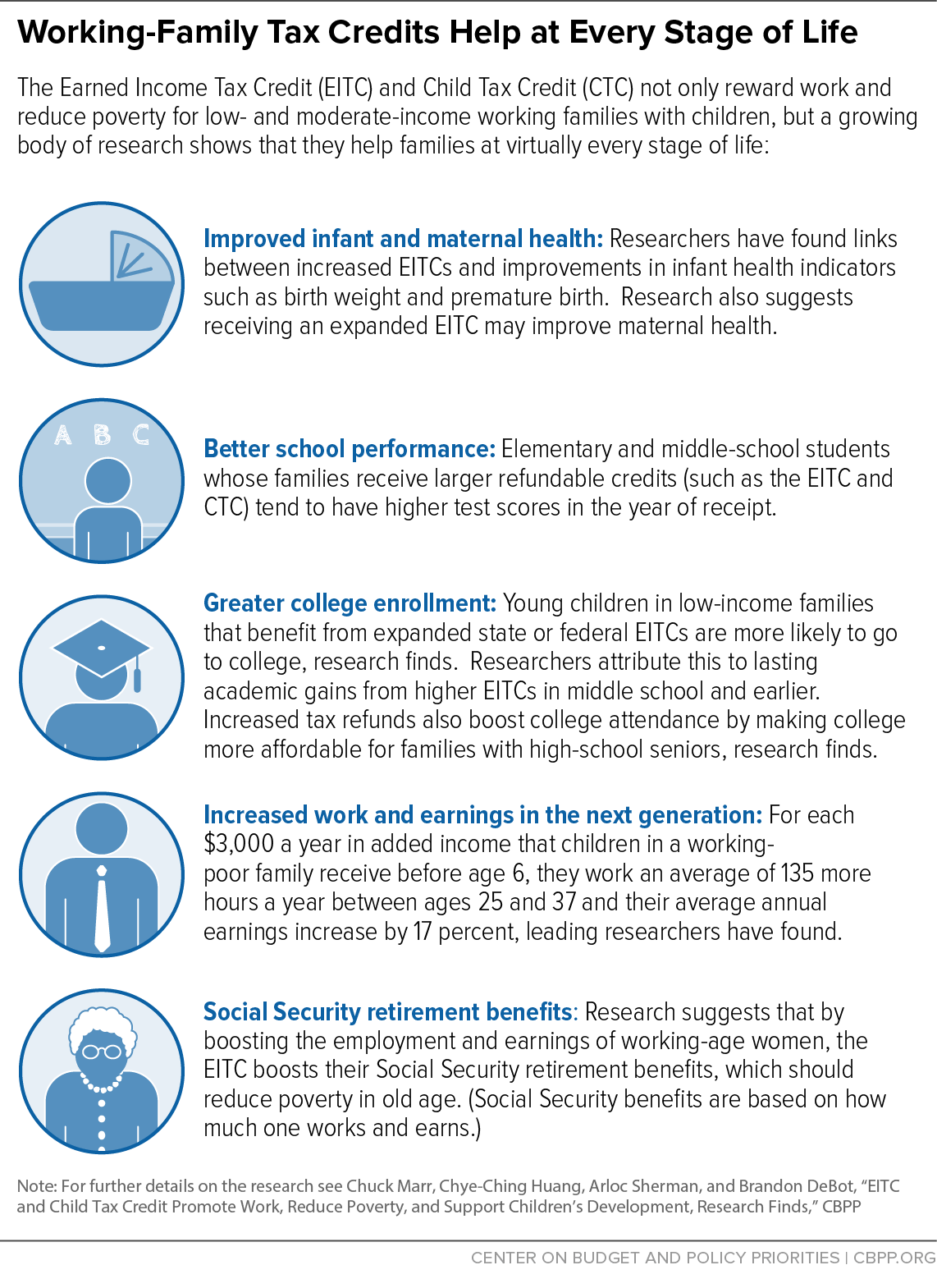
Illinois has taken a significant step in expanding its social safety net by broadening the eligibility for the Illinois child tax credit and related earned income supports. These policy shifts are designed to provide more direct financial relief to low-to-moderate income households, acknowledging the rising costs of living and the specific economic pressures facing families across the state.
The expansion focuses on inclusivity, specifically targeting taxpayers who were previously ineligible under stricter criteria. By adjusting the age and dependency requirements, the state aims to ensure that a wider demographic of workers—including those without children—can access essential tax credits that supplement their earned income.
From an economic policy perspective, these changes represent a strategic move to reduce poverty and stimulate local spending. When low-income residents receive these credits, the capital is typically reinvested immediately into the local economy for essential goods and services, creating a multiplier effect that benefits small businesses and community stability.
As the Chief Editor of Business at World Today Journal, I have observed that such targeted fiscal interventions are becoming more common as states grapple with post-pandemic economic recovery and inflationary pressures. The Illinois model reflects a broader trend of utilizing the tax code not just for revenue collection, but as a primary tool for social equity and economic support.
Understanding the Illinois Child Tax Credit and Earned Income Expansion
The core of the recent updates involves the expansion of the Illinois tax credit system to include a broader range of contributors. Specifically, the state has expanded eligibility to include taxpayers aged 18 and older, regardless of whether they have a child. What we have is a pivotal shift from traditional models that strictly tied these credits to parental status.
For families, the Illinois child tax credit serves as a critical mechanism to offset the costs of childcare and basic necessities. By expanding the scope of who can claim these credits, the state is effectively broadening the “Earned Income” umbrella to protect more vulnerable workers from falling below the poverty line.
This expansion is not merely a bureaucratic change but a response to the lived realities of the workforce. Many young adults and single individuals working low-wage jobs face the same financial instability as parents; by removing the “child-only” requirement for certain income-based credits, the state acknowledges that financial insecurity is not exclusive to parents.
Who Is Affected by These Changes?
The primary beneficiaries of these policy shifts are low-income workers and families. The expansion specifically impacts:
- Young Adults: Taxpayers aged 18 and older who are entering the workforce and may not have dependents but earn below a certain income threshold.
- Low-Income Parents: Families who can now access more robust support through the child tax credit to manage the costs of raising children.
- Marginalized Communities: Groups that have historically struggled with access to tax benefits, including those represented by the Illinois Legislative Latino Caucus, which has outlined priorities to ensure budget allocations reach the most underserved populations.
The Broader Context of State-Level Tax Credits
Illinois is not alone in this approach. According to the National Conference of State Legislatures, many states are exploring various forms of Child Tax Credits (CTCs) and Earned Income Tax Credits (EITCs) to combat child poverty and support working families. These credits are often designed as “refundable,” meaning that if the credit amount exceeds the tax the person owes, the state provides the difference as a refund check.
The strategic importance of these credits lies in their ability to provide immediate liquidity. Unlike long-term subsidies, tax credits are often delivered in lump sums or as part of annual filings, providing a significant financial injection that can be used for emergency repairs, healthcare, or educational expenses.
Why This Matters for the Global Economy
While these are state-level policies, they reflect a global trend toward “targeted transfers.” In the wake of global economic volatility, governments are shifting away from broad subsidies toward precision-targeted credits. This ensures that public funds are directed toward those with the highest marginal propensity to consume, which is the most efficient way to stimulate economic growth from the bottom up.
For international observers and investors, these moves signal a commitment by the state of Illinois to maintain a stable, supported workforce. A workforce that is not crippled by extreme poverty is more productive, more stable, and less reliant on more expensive emergency social services in the long run.
Key Takeaways for Illinois Taxpayers
- Expanded Eligibility: The credits are now accessible to taxpayers 18 years and older, regardless of whether they have children.
- Focus on Low Income: The primary goal is to support those with limited earned income through expanded tax credits.
- Policy Alignment: These changes align with priorities set by advocacy groups, such as the Latino Caucus, to ensure equitable budget distribution.
- Economic Goal: The expansion aims to reduce poverty and increase the financial stability of the state’s most vulnerable workers.
For those seeking to determine their eligibility or apply for these credits, the official guidance is typically found through the Illinois Department of Revenue. Taxpayers are encouraged to review their most recent filings and consult with certified tax professionals to ensure they are claiming all available credits for which they qualify.
The next official update regarding the specific disbursement schedules and final eligibility thresholds for the upcoming tax cycle will be provided in the state’s subsequent budget and revenue reports. We will continue to monitor these developments to provide the most accurate financial guidance for our global audience.
Do you believe similar tax credit expansions should be implemented on a federal level, or are state-specific solutions more effective? Share your thoughts in the comments below and share this article with those who may benefit from these updates.
Keep reading