
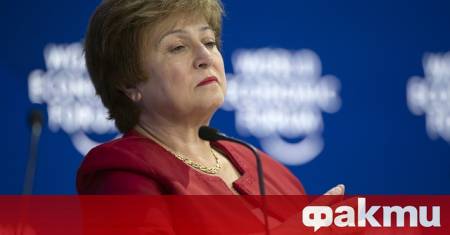
The global economy is facing a precarious turning point as conflict in the Middle East threatens to unravel years of fragile stabilization. Kristalina Georgieva, the Managing Director of the International Monetary Fund (IMF), has issued a stark warning that the economic impact of the war in Iran will be felt worldwide, regardless of how quickly the fighting ceases.
In a series of recent assessments, Georgieva emphasized that the current geopolitical instability is driving the world toward a period of heightened inflation and stunted growth. The IMF chief made it clear that a sudden ceasefire would not be a panacea for the financial shocks already rippling through global markets, stating that the world will face “long-lasting negative consequences” even if the conflict were to end immediately.
This economic turbulence comes at a critical juncture for international financial planning. The IMF is currently preparing to release its latest global macroeconomic projections, and the signals are grim. The institution is expected to lower its growth forecasts and raise its inflation expectations in its upcoming report, reflecting a shift from a trajectory of recovery to one of risk and volatility.
A Forecast of Slowdown and Inflation
The disparity between the world’s potential growth and its current trajectory has grow a central point of concern for the IMF. According to Georgieva, had the war not occurred, the IMF had anticipated a slight increase in its global growth projections, estimating rates of 3.3% for 2026 and 3.2% for 2027. However, the reality of the conflict has shifted those expectations downward.

The IMF has already begun signaling these downgrades. In a blog post published on March 30, the Fund pointed to an “asymmetric shock” caused by the war, coupled with increasingly strict financial conditions, as primary drivers for the expected revision of its forecasts.
Georgieva’s assessment is blunt regarding the current direction of the global economy: “All roads now lead to higher prices and slower growth.” This suggests that the disruption to supply chains and the volatility of energy markets have created a momentum of inflation that will be difficult to arrest, even with diplomatic resolutions in the Middle East.
Who is Most Affected: The Energy Divide
While the conflict creates headwinds for all major economies, the burden is not distributed equally. The IMF has identified a specific group of stakeholders who will suffer the most: poor and vulnerable nations that lack significant energy reserves. For these countries, the war is not just a geopolitical crisis but an existential economic threat.
Because these nations rely heavily on imported energy, any spike in fuel prices—a common byproduct of conflict in the Middle East—directly translates into higher costs for transport, agriculture, and basic electricity. This creates a vicious cycle where inflation erodes purchasing power, further slowing domestic growth and increasing the risk of social instability.
The IMF’s concern highlights a widening gap in global resilience. While wealthier nations may have the fiscal space to absorb some of the shock or the reserves to mitigate price spikes, vulnerable economies are left exposed to the whims of a volatile energy market, making them the primary victims of the “asymmetric shock” mentioned by the Fund.
The Road to Washington and the World Economic Outlook
The full extent of these economic disruptions will be a focal point of the upcoming annual spring meetings of the IMF and the World Bank. These high-level discussions are scheduled to take place from April 13 to 18 in Washington.
A key deliverable during this period will be the “World Economic Outlook” report, which the IMF plans to publish on April 14. This report is expected to provide several detailed scenarios regarding the global economy, specifically analyzing how different durations and intensities of the conflict in Iran will affect global GDP and inflation rates.
Financial analysts and policymakers are closely watching this report, as it will likely serve as the blueprint for monetary policy adjustments in the coming months. If the IMF confirms a significant downward revision in growth, central banks may find themselves in a difficult position, balancing the need to stimulate growth against the necessity of fighting the very inflation the war is fueling.
Key Economic Takeaways
- Growth Revisions: The IMF is expected to lower growth forecasts from the previous “no-war” estimates of 3.3% (2026) and 3.2% (2027).
- Inflationary Pressure: Conflict in the Middle East is viewed as a primary driver for higher global prices.
- Vulnerability: Nations without energy reserves are identified as the most susceptible to these economic shocks.
- Critical Dates: The “World Economic Outlook” report is due April 14, coinciding with the IMF/World Bank spring meetings in Washington (April 13-18).
The current situation underscores the deep interconnection between geopolitical stability and global financial health. As the IMF prepares its formal projections, the world remains on edge, waiting to see if diplomatic efforts can mitigate a looming economic slowdown.
The next major checkpoint for the global financial community will be the release of the World Economic Outlook report on April 14, which will provide the definitive data on the projected economic damage.
Do you believe global markets have already priced in these risks, or is the worst yet to come? Share your thoughts in the comments below.