Pakistan Floods & IMF Review: Navigating Economic Recovery Amidst climate Crisis
The recent devastating floods in Pakistan, claiming the lives of nearly 1,000 people and causing widespread destruction, have triggered a critical juncture for the nation’s economic stability. Beyond the immediate humanitarian crisis, the floods pose significant challenges to Pakistan’s fragile economy, prompting a crucial review by the International Monetary Fund (IMF). This article delves into the IMF’s response,the potential economic fallout,and what thes events mean for Pakistan’s future – and how the country can build resilience against increasingly frequent climate shocks.
The Human Cost & Immediate Impact
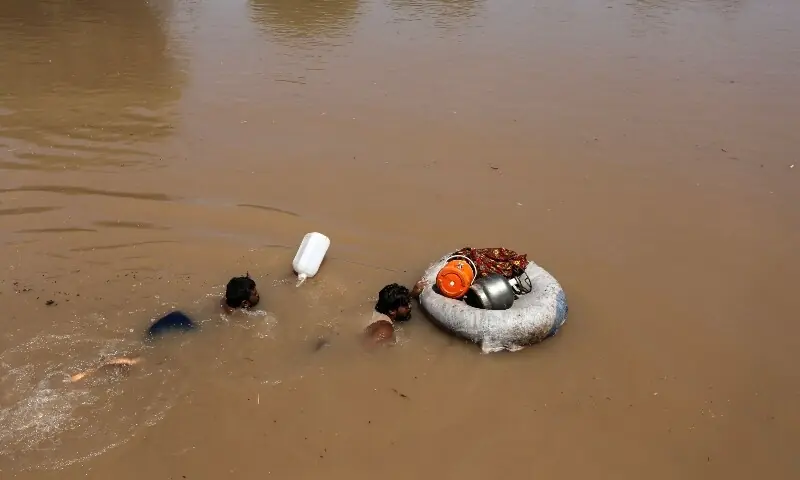
As of September 13, 2025, the National Disaster Management Authority reports a staggering 972 lives lost due to the catastrophic flooding. Beyond the tragic loss of life, the floods have decimated infrastructure, agricultural lands, and livelihoods across Punjab and Sindh provinces. Homes have been washed away, livestock perished, and vital crops – the backbone of Pakistan’s rural economy – have been utterly destroyed. The scale of the disaster is immense, and the long-term consequences are only beginning to unfold.
IMF’s Response: A Balancing Act Between Relief & Reform
the IMF has expressed it’s deepest condolences and announced that its upcoming Extended Fund Facility (EFF) review mission will meticulously assess the government’s capacity to respond to the crisis. Mahir Binici, the IMF’s resident representative in Pakistan, stated the mission will focus on the FY26 budget, evaluating its agility in addressing the escalating spending needs driven by the floods.
This isn’t simply about releasing funds; its about ensuring those funds are used effectively and sustainably. The IMF approved a $1.4 billion loan in May 2025 specifically designed to bolster Pakistan’s economic resilience to climate vulnerabilities and natural disasters. However, disbursement of these funds remains contingent on triumphant completion of the EFF reviews – meaning Pakistan must demonstrate responsible fiscal management even amidst this crisis. This highlights the delicate balance the IMF faces: providing crucial aid while upholding the principles of economic stability.
Economic Fallout: Food Inflation, Growth Slowdown & Reconstruction Costs
The economic repercussions of the floods are multifaceted and severe. The destruction of crops and livestock is already fueling fears of significant food inflation. With agricultural output drastically reduced, prices of essential commodities are expected to surge, disproportionately impacting vulnerable populations.
Analysts estimate that agricultural damage alone could shave up to 0.2 percentage points off Pakistan’s economic growth this year. While reconstruction efforts will undoubtedly generate some economic activity, this is unlikely to fully offset the losses in the agricultural sector. The sheer scale of rebuilding infrastructure – roads, bridges, schools, hospitals – will require substantial investment, potentially straining the national budget further.
the State Bank of Pakistan (SBP) faces a challenging dilemma. A recent Reuters poll predicts the SBP will likely maintain its key interest rate at 11% on Monday. Policymakers are grappling with the conflicting pressures of rising inflation (driven by crop losses) and a slowing economy. Raising interest rates could curb inflation but further stifle economic growth, while lowering them could exacerbate inflationary pressures.
Beyond Immediate Relief: Building Climate Resilience
Pakistan is tragically situated as one of the countries most vulnerable to climate change, consistently ranking high on the Global Climate Risk Index. These floods are not an isolated incident; they are a stark warning of the escalating climate risks facing the nation.
Addressing this requires a fundamental shift in approach, moving beyond reactive disaster relief to proactive climate adaptation and mitigation strategies. This includes:
* Investing in Climate-Resilient infrastructure: Building infrastructure designed to withstand extreme weather events, such as reinforced dams, improved drainage systems, and climate-proof housing.
* diversifying Agriculture: Promoting drought-resistant crops and lasting farming practices to reduce reliance on vulnerable agricultural systems.
* Strengthening Early warning Systems: Investing in advanced weather forecasting and early warning systems to provide timely alerts and enable effective evacuation procedures.
* Improving Water Management: Implementing efficient water management techniques to conserve water resources and mitigate the impact of droughts and floods.
* Securing Climate Finance: Actively seeking international climate finance to support adaptation and mitigation efforts. Pakistan needs to advocate for increased funding from developed nations, recognizing their past duty for climate change.
What Does This Mean for Pakistan’s Economic Future?
The floods represent a significant setback for Pakistan’s economic recovery. Though, they also present an prospect to build a more resilient and sustainable economy. Successful navigation of this crisis will require strong leadership,effective policy implementation,