Homeowners in Wilhelmshaven face a significant valuation gap in the 2026 real estate market as structural integrity and energy efficiency become the primary determinants of property prices. Sellers frequently overestimate their home’s worth by overlooking hidden defects and the substantial costs required to meet modern German energy efficiency standards. Consequently, properties with outdated heating systems or poor insulation are seeing sharper price corrections than well-maintained, energy-compliant homes.
The Wilhelmshaven housing market is currently navigating a period of intense scrutiny regarding building quality. As the regional market in Lower Saxony adjusts to new economic realities, the “bauliche Zustand”—or structural condition—of a property has moved from a secondary consideration to a central factor in transaction success. Market observers note that a disconnect persists between the emotional valuations held by sellers and the pragmatic, cost-oriented assessments made by prospective buyers and lenders.
This shift is driven by a combination of stricter regulatory requirements and a heightened awareness of long-term maintenance costs. In a coastal environment like Wilhelmshaven, where weather conditions can accelerate the degradation of building envelopes, the importance of a sound structural foundation and weatherproofing cannot be overstated. For sellers, failing to account for these physical realities often results in prolonged listing periods and ultimately, lower sale prices.
How structural condition impacts Wilhelmshaven property values?
The physical state of a building serves as a primary risk metric for both buyers and financial institutions. In Wilhelmshaven, where much of the residential stock includes older constructions, structural defects often represent “hidden liabilities” that can derail a sale during the due diligence phase. These defects include issues with the building’s foundation, moisture ingress in walls, or deteriorating roof structures.
According to real estate valuation principles, a property’s value is not merely the sum of its square footage but a reflection of the capital required to maintain its habitability. When a professional appraiser identifies significant structural issues, they apply a “Sanierungsabschlag”—a renovation discount—to the estimated market value. Sellers who attempt to price their homes based on recent local sales without accounting for their specific property’s depreciation often find themselves unable to close deals.
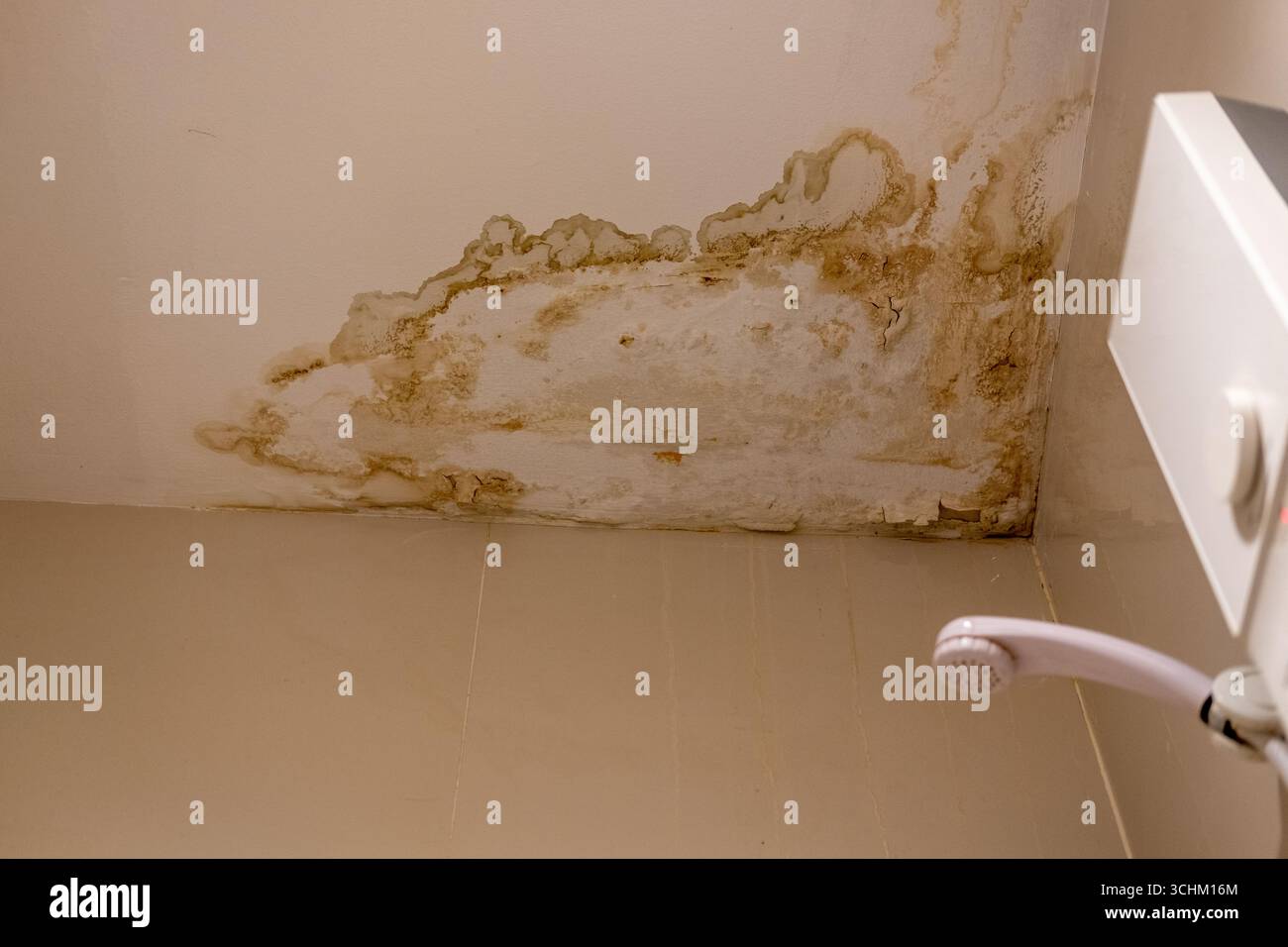
Common structural issues that impact local valuations include:
- Moisture and Dampness: Particularly relevant in coastal regions, moisture damage in basements or rising damp in walls can lead to mold and structural instability.
- Roof and Insulation Integrity: The cost of replacing a roof or upgrading attic insulation is a direct deduction from a buyer’s willing purchase price.
- Heating and Plumbing Systems: Aging infrastructure that no longer meets current efficiency standards represents a significant immediate capital expenditure for new owners.
The presence of these issues often triggers a “valuation shock” when a buyer’s technical inspection reveals discrepancies between the advertised condition and the actual state of the property. This often leads to intense renegotiations or the complete withdrawal of offers.
Why energy efficiency regulations are reshaping the market?
The German real estate landscape is undergoing a fundamental transformation due to the Gebäudeenergiegesetz (GEG), commonly known as the Building Energy Act. This legislation mandates stricter standards for heating systems and building insulation, making energy performance a critical component of property liquidity.
In Wilhelmshaven, the impact of the GEG is particularly visible in the secondary market for older homes. Properties that rely on fossil fuel heating systems or possess low thermal insulation scores are increasingly viewed as “high-risk” assets. Buyers are not only looking at the purchase price but are calculating the “total cost of ownership,” which includes the mandatory investments required to bring a building into compliance with federal energy laws.
As the transition toward renewable energy sources accelerates, the market is bifurcating. Homes with high Energy Performance Certificates (EPC)—known in Germany as Energieausweis—command a premium. Conversely, homes with poor ratings face a “brown discount,” where the price drops significantly to compensate for the inevitable cost of retrofitting. This trend is expected to intensify through 2026 as the deadlines for various energy-related mandates approach.
The intersection of energy law and structural condition means that “hidden defects” now include more than just cracks in the wall; they include “energy defects,” such as inadequate thermal bridges or inefficient window glazing. For a seller in Wilhelmshaven, an outdated energy profile is now as critical a liability as a leaking roof.
What economic factors are driving price adjustments in Lower Saxony?
Beyond the physical state of homes, broader macroeconomic trends in Germany and specifically within Lower Saxony are influencing the Wilhelmshaven market. The era of ultra-low interest rates has ended, replaced by a more cautious lending environment managed by the European Central Bank (ECB). This shift has fundamentally changed how properties are financed and, by extension, how they are priced.
Higher mortgage rates mean that buyers have less purchasing power, making them far more selective about the quality of the assets they acquire. In a high-interest environment, buyers are less likely to take on the “double burden” of a high mortgage payment and expensive, unplanned renovation costs. This behavior has forced a market correction where property prices are aligning more closely with the actual cost of maintaining and upgrading the housing stock.
The regional economy of Wilhelmshaven, centered around its port activities and energy sector, also plays a role. While the city’s strategic importance in the energy transition provides a degree of economic stability, the local housing market remains sensitive to shifts in industrial employment and regional infrastructure investments. Economic stability in the region supports demand, but the technical requirements of the buildings themselves remain the primary bottleneck for value retention.
How can sellers avoid valuation errors?
To mitigate the risk of overpricing and failed transactions, experts suggest a proactive approach to property disclosure and valuation. Understanding that the market is currently prioritizing “readiness”—both structural and energetic—can help sellers set realistic expectations.
The following table compares the market positioning of two different property types in the current Wilhelmshaven environment:
| Feature | Type A: Energy-Compliant Home | Type B: High-Renovation Property |
|---|---|---|
| Heating System | Heat pump or modern hybrid system | Old oil or gas boiler |
| Insulation | High-standard roof/wall insulation | Minimal or outdated insulation |
| Structural State | Documented recent maintenance | Unverified/hidden defects present |
| Market Behavior | High demand; premium pricing | Price sensitivity; high negotiation |
| Buyer Profile | Move-in ready seekers | Investors or DIY renovators |
For sellers, obtaining a professional, independent valuation (Verkehrswertgutachten) before listing is becoming a standard best practice. This goes beyond a simple real estate agent’s estimate and provides a technical basis for the asking price, accounting for both the physical structure and the energy requirements of the GEG.
Frequently Asked Questions
Why is my house worth less than I expected?
In the current market, buyers factor in the “cost of compliance.” If your home requires new heating, better insulation, or structural repairs to meet modern standards, these costs are deducted from your asking price.
How does the Building Energy Act (GEG) affect my sale?
The GEG requires certain energy standards. If your property does not meet these, buyers will likely demand a lower price to offset the cost of the mandatory upgrades required by law.
What is a “hidden defect” in real estate?
A hidden defect is a structural or technical issue that is not easily visible during a standard walkthrough, such as moisture in the foundation or outdated electrical wiring, which often surfaces during a professional inspection.
Should I renovate before selling?
It depends on the Return on Investment (ROI). Focus on “high-impact” energy upgrades or visible structural repairs. Extensive cosmetic renovations may not always recoup their cost in a market focused on technical compliance.
The next significant indicator for the Wilhelmshaven market will be the release of the upcoming quarterly regional real estate price index for Lower Saxony. This data will provide a clearer picture of how effectively the market is absorbing the transition to higher energy standards.
Have questions about the Wilhelmshaven market or property valuations? Share your thoughts in the comments below and share this article with anyone planning a move in 2026.
Keep reading