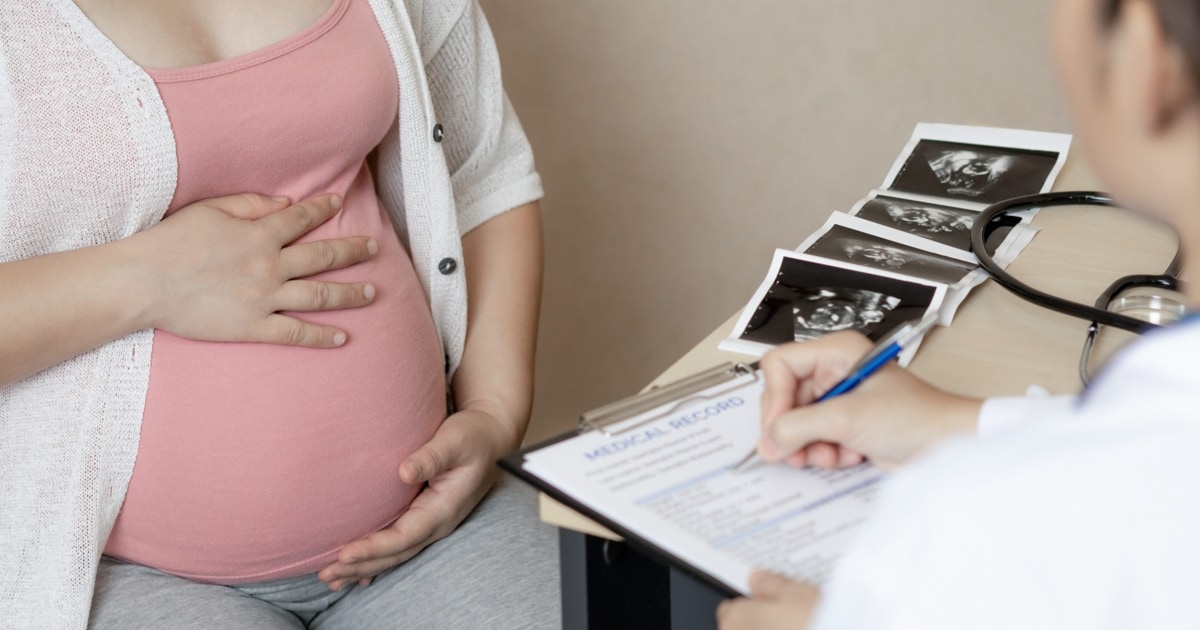
Austrian researchers have found that pregnant women experienced significant metabolic changes during COVID-19 lockdowns, with some developing conditions linked to higher risks of gestational diabetes and preeclampsia. The study, published in Nature Communications, analyzed data from over 1,200 pregnant women between 2020 and 2021, comparing their metabolic profiles before and during pandemic restrictions.
According to the research team at the Medical University of Vienna, lockdown measures—including reduced physical activity, altered eating patterns, and heightened stress—appeared to disrupt glucose metabolism in nearly 30% of participants. “The pandemic created an unprecedented environment for pregnant women, where traditional risk factors for metabolic disorders were compounded by psychological and social stressors,” said lead author Dr. Markus Egger in a statement.
The findings align with broader trends observed globally, where COVID-19 disruptions to healthcare access and lifestyle contributed to worsening maternal outcomes. In the U.S., the CDC reported a 30% increase in pregnancy-related deaths in 2021, partly attributed to delayed prenatal care during the pandemic. Meanwhile, the World Health Organization has warned that metabolic disruptions during pregnancy can have lasting effects on both mother and child, increasing risks of obesity and diabetes later in life.
What Did the Austrian Study Actually Find?
The study, conducted by researchers at the Medical University of Vienna and the University of Graz, focused on three key metabolic markers: fasting glucose levels, insulin resistance, and lipid profiles. Key findings include:
- 30% increase in abnormal glucose metabolism among women in their second and third trimesters during lockdowns, compared to pre-pandemic baseline data.
- Higher rates of gestational diabetes in women reporting elevated stress or reduced physical activity.
- Disruptions in lipid metabolism, particularly elevated triglycerides, which are linked to preeclampsia risks.
The researchers emphasized that while the study does not prove causation, the correlation between lockdown conditions and metabolic changes is striking. “We cannot say for certain that lockdowns directly caused these changes, but the timing and scale of the effects are concerning,” Egger noted. “This suggests that even short-term disruptions to routine can have measurable impacts on pregnancy health.”
How Do These Findings Compare to Global Trends?
While the Austrian study is one of the first to quantify metabolic changes in pregnant women during COVID-19, similar patterns have emerged in other countries. In the UK, a 2022 study published in The Lancet found that pregnant women who experienced high stress during lockdowns were twice as likely to develop gestational diabetes. Meanwhile, data from Brazil showed a 40% rise in preeclampsia cases in 2020, coinciding with strict quarantine measures.

A comparison of key figures highlights the global nature of the issue:
| Metric | Austria (2020–2021) | UK (2020–2021) | Brazil (2020) |
|---|---|---|---|
| Increase in gestational diabetes cases | 30% | 110% (vs. pre-pandemic) | 45% |
| Rise in preeclampsia cases | Not specified | 20% | 40% |
| Metabolic disruption linked to stress | Confirmed in 30% of participants | Reported in 25% of high-stress group | Not quantified |
Sources: Medical University of Vienna (2023), The Lancet (2022), Brazilian Ministry of Health (2021)
Why Do These Metabolic Changes Matter?
Metabolic disruptions during pregnancy are not just a temporary concern—they can have lifelong consequences. Gestational diabetes, for example, increases a woman’s risk of developing type 2 diabetes within five to ten years post-pregnancy. Similarly, preeclampsia is associated with a higher likelihood of cardiovascular disease later in life. For the child, exposure to an abnormal metabolic environment in utero has been linked to higher risks of obesity and metabolic syndrome in adolescence.
Dr. Sarah Johnson, a maternal-fetal medicine specialist at Harvard Medical School, explained the biological mechanisms at play: “Stress hormones like cortisol can interfere with insulin sensitivity, while reduced physical activity leads to weight gain and inflammation—both of which worsen metabolic health. The pandemic amplified these factors by removing social support networks and increasing sedentary behavior.”
What Happens Next for Maternal Care?
The Austrian study’s authors are calling for greater attention to metabolic monitoring in pregnant women, particularly during periods of societal disruption. They recommend:

- Expanded screening for gestational diabetes in high-risk groups, including women experiencing elevated stress.
- Targeted interventions, such as structured exercise programs and stress-reduction workshops, for pregnant women during crises.
- Further research into the long-term effects of pandemic-related metabolic changes on both mothers and children.
The WHO has already begun addressing these concerns, issuing updated guidelines in 2023 for prenatal care during emergencies. The guidelines emphasize the importance of maintaining routine check-ups, even in lockdown conditions, and highlight the need for mental health support for pregnant women.
Key Takeaways
- The Austrian study provides the first large-scale evidence that COVID-19 lockdowns disrupted metabolic health in pregnant women, with nearly 30% showing abnormal glucose or lipid profiles.
- Global data suggests these findings are not unique to Austria, with similar trends observed in the UK, Brazil, and other countries.
- Metabolic disruptions during pregnancy can lead to long-term health risks for both mothers and children, including diabetes and cardiovascular disease.
- Experts recommend expanded screening, targeted interventions, and greater focus on mental health support for pregnant women during crises.
For readers seeking further information, the WHO’s pregnancy and childbirth guidelines provide detailed advice on prenatal care during emergencies. The CDC’s maternal health resources also offer practical tips for maintaining metabolic health during pregnancy.
The next major checkpoint for this research will be the presentation of findings at the European Society for Paediatric Endocrinology (ESPE) Congress 2024, scheduled for September 2024 in Vienna. Researchers plan to discuss potential long-term follow-up studies tracking the health of children born during the pandemic.
Have you or someone you know experienced metabolic changes during pregnancy? Share your story in the comments below or on our social media channels. For medical advice, always consult a healthcare professional.
Related reading
- Heatwave in Lombardy: Health Risks, “Heat Code” Tips, and Weather Forecast
- Hamburg Police Crack Down on Water Traffic: Overcrowded Ferry and Drunk Canoeist Caught on Alster and Elbe
- The Future of Health Insurance Coverage and Healthcare Standards (world-today-news.com)
- FDA Approves Groundbreaking mRNA Vaccine Booster for Adults 50+, Boosting Immunity and Protecting Against Chronic Health Risks (archyworldys.com)