
United States intelligence assessments indicate that military airstrikes alone are insufficient to fundamentally alter the strategic trajectory or political structure of Iran, according to regional security evaluations and defense analyses. While precision munitions and targeted military campaigns can disrupt specific operational capabilities, Western intelligence agencies have concluded that internal political dynamics and state structures in Tehran remain largely insulated from external bombing campaigns.
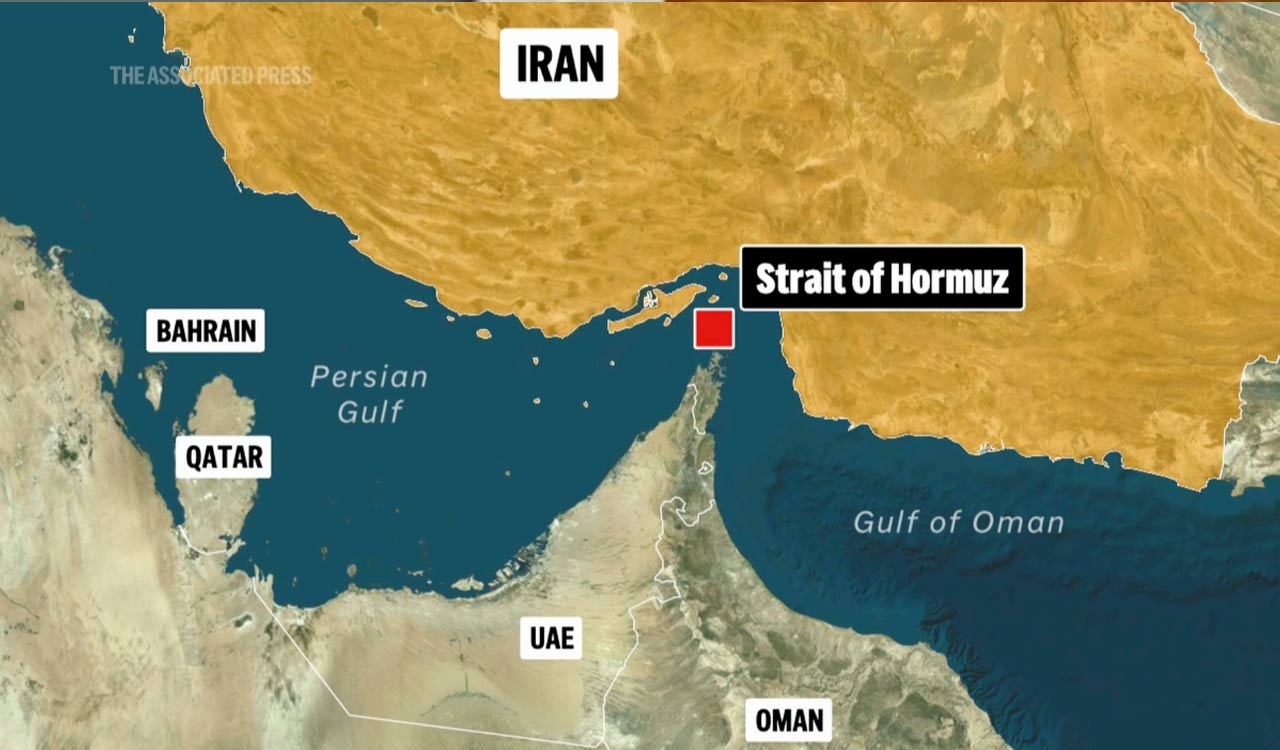
The assessment arrives as geopolitical friction persists across the Middle East, drawing renewed focus on Iran’s strategic leverage points, including the critical Strait of Hormuz. Observers note that trade bottlenecks and regional asymmetric maneuvers continue to impose significant friction on global energy markets, demonstrating the limits of conventional air power in resolving protracted geopolitical standoffs.
According to defense analysts monitoring the region, military action can temporarily degrade command-and-control nodes, but it fails to address the underlying political drivers of Iranian foreign policy. Security experts emphasize that durable shifts require sustained diplomatic frameworks and multilateral economic coordination rather than intermittent kinetic interventions.
Strategic Implications of Asymmetric Tactics in the Persian Gulf
Regional security experts point out that Iran has effectively cultivated asymmetric warfare capabilities to deter superior conventional militaries. These tactics include littoral defense systems, fast-attack craft, and unmanned aerial vehicle deployment designed to complicate maritime navigation in the Persian Gulf.
The Strait of Hormuz remains a vital arterial chokepoint for international petroleum shipments, carrying a substantial share of the world’s daily liquid petroleum consumption. Any sustained disruption to transit through the corridor immediately reverberates through global commodity markets, driving up crude futures and inflating shipping insurance premiums worldwide.
Defense policy groups have frequently highlighted that energy infrastructure across neighboring Gulf cooperation states remains vulnerable to asymmetric disruption. This operational reality complicates the calculus for foreign ministries weighing military responses, as escalation risks collateral economic damage that far outweighs localized tactical gains.
Evaluating the Limits of Conventional Deterrence
Intelligence reviews from Western capitals suggest that economic sanctions combined with military posturing have constrained Tehran’s fiscal resources, yet they have not compelled a fundamental revision of regional security doctrines. Iranian leadership has repeatedly demonstrated resilience against external economic pressure, pivoting toward alternative trade partners and localized manufacturing to blunt the impact of international trade restrictions.
Policy specialists argue that conventional deterrence models developed during the twentieth century require significant adaptation to address modern gray-zone conflicts. Cyber warfare, proxy network support, and economic coercion operate below the threshold of open warfare, blunting the utility of traditional airstrikes or carrier strike group deployments.
Furthermore, international monitors note that domestic political consolidation within Iran often tightens during periods of acute external pressure. Public nationalist sentiment tends to rally around state institutions when foreign adversaries signal hostile intent, complicating hopes among Western planners that air campaigns might catalyze internal regime change.
Next Steps in International Diplomatic Engagement
Diplomatic channels remain active as European and regional mediators attempt to establish de-escalation protocols and maritime security pacts. Officials from participating nations emphasize that technical talks regarding regional security architecture continue behind closed doors, though substantial breakthroughs remain elusive.
Observers anticipate further updates from international monitoring organizations and foreign ministry briefings as diplomatic delegations assess freedom of navigation guarantees in key Middle Eastern waterways. Stakeholders and industry participants are advised to monitor official maritime advisories and governmental trade updates for real-time risk assessments.
What are your thoughts on these regional security assessments? We welcome your constructive comments and encourage you to share this analysis.
Related reading