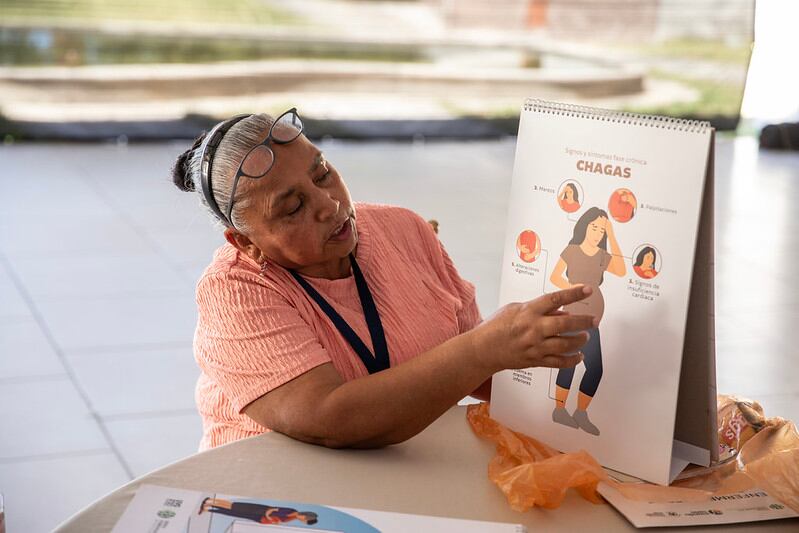
A specialized project in the rural regions of Guatemala is working to bridge a critical gap in maternal healthcare by improving the detection of Chagas disease during pregnancy. The initiative focuses on enhancing diagnostic access for expectant mothers in remote areas, where healthcare infrastructure is often limited.
Central to this effort is the strategic strengthening of the relationship between traditional midwives, known as comadronas, and the formal health system. By fostering a closer bond between these community leaders and medical professionals, the project aims to ensure that pregnant women in rural zones receive timely screening and interventions.
The Role of Midwives in Rural Diagnostics
In many rural Guatemalan communities, comadronas serve as the primary point of contact for prenatal care. The current project recognizes that integrating these traditional practitioners into the diagnostic pipeline is essential for identifying Chagas disease, which requires specialized detection to prevent transmission and ensure maternal and fetal health.
By empowering midwives to act as a bridge to clinical diagnostics, the initiative seeks to overcome geographic and cultural barriers that frequently hinder rural patients from accessing necessary medical screenings during their pregnancy.
The Landscape of Prenatal Care in Guatemala
While rural initiatives focus on basic diagnostic access and the integration of traditional care, urban centers in Guatemala offer a wide array of advanced obstetric technologies. These services provide a contrast to the challenges faced in remote areas, highlighting the disparity in healthcare availability.
In cities, expectant mothers have access to comprehensive imaging and monitoring. For instance, Biotest provides conventional obstetric ultrasounds across multiple locations, including C.C. Plaza Florida and Edificio Atlantis, to evaluate fetal growth and health conditions throughout the pregnancy.
Other specialized centers offer high-tech fetal wellbeing assessments. Ultrasonido GT, located at Hospital Herrera Llerandi, utilizes Single Crystal technology to perform Doppler studies, biophysical profiles, and screenings for trisomies and preeclampsia risk.
private practices such as that of Dra. Karem Morales in Ciudad de Guatemala provide detailed pelvic and vaginal ultrasounds. These tools allow for the precise monitoring of reproductive organs and fetal development, offering a level of diagnostic detail that the rural Chagas project aims to make more accessible through improved referral networks.
Key Focus Areas of the Rural Initiative
- Diagnostic Access: Increasing the number of pregnant women screened for Chagas in underserved zones.
- Community Trust: Utilizing the established trust between comadronas and their patients to encourage medical testing.
- System Integration: Creating a reliable pathway from traditional community care to formal medical diagnosis.
The ongoing effort to integrate traditional midwifery with modern diagnostic protocols represents a vital step toward reducing health inequities in Guatemala’s maternal care system.
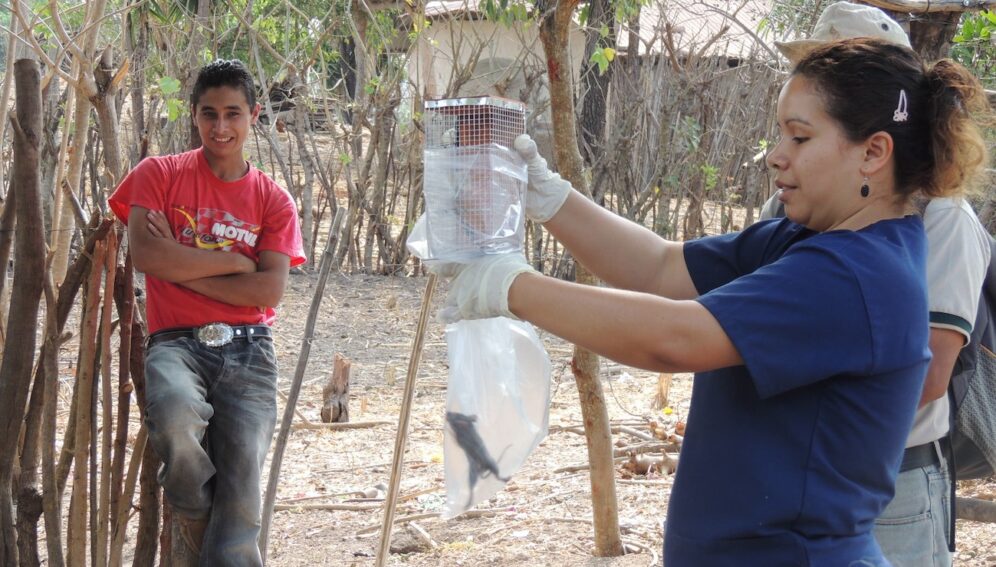
Further updates regarding the project’s impact and the expansion of diagnostic reach in rural zones are expected as the initiative continues its implementation. We encourage readers to share their thoughts on the integration of traditional medicine and formal healthcare in the comments below.