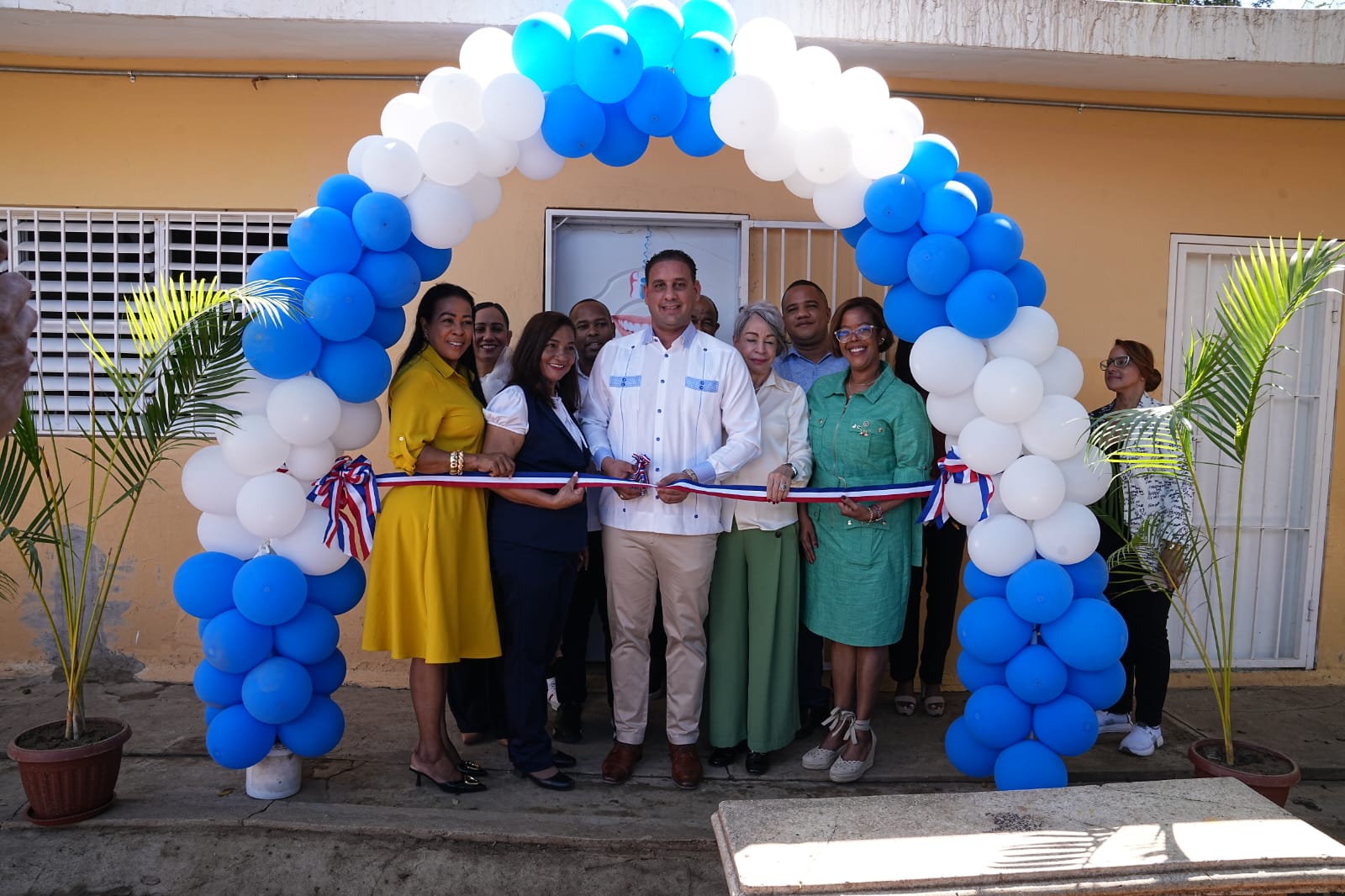
Villa Vásquez, Montecristi, Dominican Republic – Access to dental care is expanding for students in the Dominican Republic, with the recent inauguration of a latest oral health module at the Leopoldo Miguel Navarro Educational Center in Villa Vásquez. The initiative, spearheaded by the National Institute of Student Welfare (INABIE), aims to benefit over 6,152 students within Educational District 13-03, bolstering dental health services within the public education system. This expansion underscores a growing commitment to preventative healthcare and well-being for the nation’s youth.
The new facility represents a significant investment in the health of students, providing crucial services that were previously unavailable to many families. As Luis Valdez, INABIE’s subdirector, stated during the opening ceremony, “We are extremely proud of what we are delivering here today. We come from public schools like this and know what it means for a family to have services that did not exist before. Each module we install is a demonstration that we are working day and night for the well-being of our boys and girls, who are the future of the country.” This sentiment was echoed by Jacqueline Salcedo, director of the Leopoldo Miguel Navarro Educational Center, who expressed her community’s satisfaction, stating that the module would “mark a turning point, where the smile and health of our students will improve.”
The inauguration of this module isn’t simply about providing dental treatment; it’s about addressing a fundamental require and reducing economic burdens on families. Gilbert Smil Martínez, a student who spoke at the event, highlighted this, noting that the new module not only improves the school but similarly safeguards something invaluable: “health and a smile.” The provision of free dental care represents a considerable saving for households, offsetting the costs associated with private dental treatments.
Expanding Access to Oral Healthcare in the Dominican Republic
This new oral health module is the 60th installed by INABIE nationwide, and the first in the province of Montecristi, falling under the purview of Regional Education 13. INABIE has been actively expanding its network of school health services, demonstrating a commitment to preventative and comprehensive care for students in the public education system. The module’s design prioritizes comfort, hygiene, and functionality, ensuring a safe and effective environment for treatment.
The facility is equipped with state-of-the-art dental equipment, including a complete dental chair, periapical X-ray machine, autoclave, dental compressor, and medical-surgical instrument washer. These resources will enable the provision of a wide range of dental services, including diagnostics, prophylaxis, scaling, fluoride applications, resin restorations, temporary and permanent extractions, pulpal coatings, and other basic dental procedures. Students from other public schools within Educational District 13-03 will also have access to these services, contingent upon coordination with assigned dental personnel.
A Focus on Preventative Care and Early Intervention
The emphasis on preventative care is a cornerstone of INABIE’s strategy. Early detection and treatment of dental issues can prevent more serious problems down the line, reducing the need for costly and invasive procedures. According to a statement from the Dominican Republic’s Presidency, the initiative aims to strengthen dental care within the public education system, ensuring that students have access to the services they need to maintain optimal oral health.
The impact of this initiative extends beyond individual student health. By addressing dental needs early on, INABIE is contributing to improved academic performance and overall well-being. Dental pain and discomfort can significantly interfere with a child’s ability to concentrate and learn, and addressing these issues can create a more conducive learning environment. The provision of free dental care also alleviates financial strain on families, allowing them to allocate resources to other essential needs.
Key Personnel and Community Involvement
The inauguration ceremony was attended by a number of key figures, including Luis Valdez, INABIE’s subdirector, representing the institution’s executive director, Adolfo Pérez. Also present were Milly Pérez, deputy director; Santo Gervacio, head of provincial representation offices; Ana Zabala, head of the School Health Management Department; and Julitza Valdez, head of the Oral Health Division. The event also saw participation from Iván Torres, deputy director of Educational District 13-03; Elvidio Vázquez, provincial director; Vice Mayor Dulce Santos; Deputy Rosendy Polanco; former Senator Moreno Arias; Pastor Rubén Fabián of the Templo Montes de Sion Church; and Fermín Rodríguez, representing the Association of Parents, Mothers, and Friends of the School, alongside district technicians, teachers, parents, and students.
The broad representation at the inauguration underscores the community’s support for this initiative and its recognition of the importance of oral health for students. The collaborative effort between INABIE, the educational center, and local community leaders demonstrates a shared commitment to improving the well-being of the region’s youth.
Looking Ahead: Continued Expansion of School Health Services
INABIE’s commitment to expanding access to school health services is ongoing. The organization continues to identify areas where additional resources are needed and to develop innovative programs to address the health needs of students across the Dominican Republic. This latest module in Villa Vásquez represents a significant step forward in achieving this goal, and it serves as a model for future initiatives.
The success of this program hinges on continued collaboration between INABIE, educational institutions, healthcare professionals, and local communities. By working together, stakeholders can ensure that all students have access to the dental care they need to thrive. The long-term benefits of this investment will be felt for generations to come, as healthy students are more likely to succeed academically, contribute to their communities, and lead fulfilling lives.
As INABIE continues to roll out these modules across the country, it will be crucial to monitor their impact and to adapt strategies based on the needs of each community. Regular evaluations and feedback from students, parents, and educators will be essential to ensuring the program’s effectiveness, and sustainability. The organization’s dedication to preventative care and early intervention positions it as a leader in promoting the health and well-being of the Dominican Republic’s future generations.
The next step for INABIE is to assess the utilization of the new module and gather data on the oral health needs of students in the region. This information will inform future planning and resource allocation, ensuring that the program continues to meet the evolving needs of the community. Readers interested in learning more about INABIE’s initiatives can visit the organization’s official website for updates and information on how to acquire involved.
What are your thoughts on this initiative? Share your comments below and let us know how access to dental care has impacted your community.
Keep reading