In a strategic move to export its world-class aviation management expertise to Southeast Asia, Incheon International Airport Corporation (IIAC) has entered into a formal agreement to bolster professional training at one of Indonesia’s key aviation hubs. The corporation announced on April 30, 2026, that it has signed a Memorandum of Understanding (MOU) for education cooperation with PT BIB (PT Bandara Internasional Batam), the operator of the Hang Nadim International Airport in Batam.
The agreement, signed on April 29, marks a significant expansion of the existing partnership between the two entities. While IIAC has already been deeply involved in the operational side of the Batam airport, this new MOU shifts the focus toward human capital development. By transferring the systemic know-how of the Incheon Airport Aviation Academy—which has a documented history of training 12,240 individuals from 162 different countries—IIAC aims to establish a sustainable pipeline of aviation professionals within Indonesia.
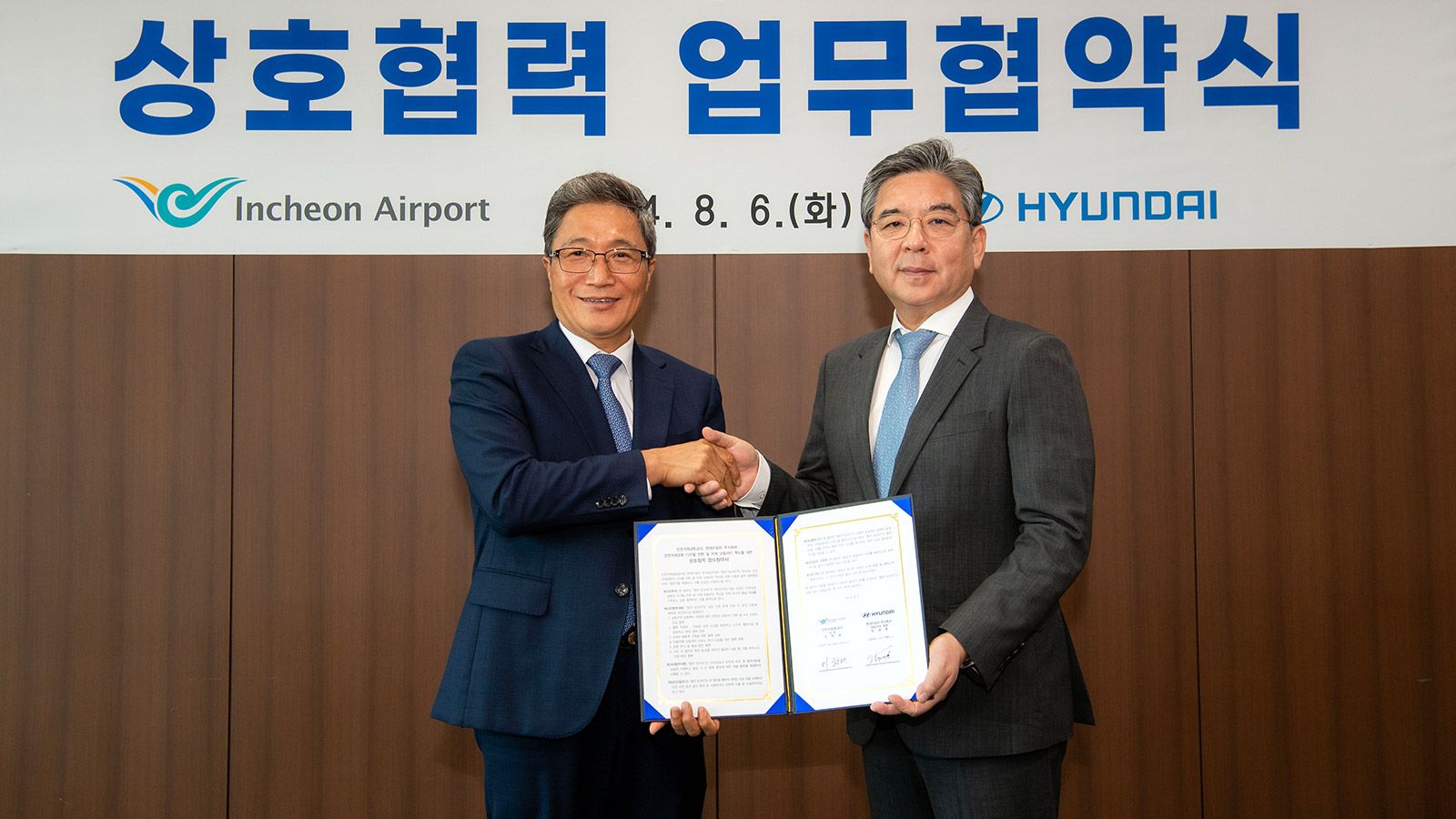
The signing ceremony took place at the Incheon International Airport Corporation headquarters, attended by approximately 10 officials from both organizations. Key signatories included Kim Bum-ho, the Acting President of IIAC, and Annang Setia Budhi, the CEO of PT BIB. The meeting focused on the systematic transfer of airport operation and education methodologies to the Batam region, ensuring that the local workforce can meet international standards of efficiency and safety.
From Operational Turnaround to Educational Partnership
The education agreement is not an isolated initiative but rather the culmination of a highly successful Public-Private Partnership (PPP). PT BIB was established as a special purpose vehicle (SPV) specifically for IIAC to execute the Batam PPP project. Since December 2021, IIAC has been responsible for the operation and maintenance of the Hang Nadim International Airport.
The financial trajectory of the Batam operation has been described as an exceptional case among the overseas ventures of South Korean public enterprises. Under IIAC’s management, the airport achieved a turnaround to profitability in 2023. This momentum continued into 2025, when the project generated early dividend returns, achieving a level of financial stability and recovery in less than five years.
Industry analysts view this rapid transition from operational stabilization to profit generation as the primary catalyst for the current education MOU. Having secured the financial and operational foundation of the airport, the partnership is now evolving to ensure long-term sustainability through the localization of expertise.
Strategic Pillars of the Education MOU
The cooperation between IIAC and PT BIB is designed to be comprehensive, moving beyond simple classroom instruction to a holistic integration of aviation management systems. The two organizations have outlined several key areas of collaboration to achieve these goals:

- Program Development: The joint development and operation of specialized aviation education and training programs tailored to the needs of the Batam hub.
- Knowledge Exchange: The active exchange of educational curricula and the deployment of expert instructors to share best practices in airport management.
- Joint Marketing: Collaborative efforts to promote these training programs and conduct joint marketing to attract aviation professionals and students.
- Institutional Alignment: The establishment of regular meetings to monitor progress, update curricula, and ensure the training remains aligned with evolving global aviation trends.
By integrating these pillars, IIAC expects to provide PT BIB with more than just a set of manuals; This proves providing the infrastructure for continuous professional growth. This approach is intended to reduce reliance on external consultants over time and empower the local Indonesian workforce to manage complex airport operations independently.
The Broader Impact on Regional Aviation
The expansion of IIAC’s footprint in Indonesia reflects a broader trend of South Korean infrastructure firms leveraging their operational success to secure long-term strategic influence in the Asia-Pacific region. The “Incheon Model”—characterized by high efficiency, advanced technology integration, and rigorous training—is now being used as a blueprint for emerging aviation markets.
For the Batam region, the influx of systematic training is expected to improve the overall quality of service and safety at Hang Nadim International Airport. As a critical gateway in Indonesia, the airport’s ability to scale its professional capacity will likely attract more international carriers and increase the volume of logistics and passenger traffic, further cementing the economic viability of the PPP project.
the success of the Batam project serves as a proof-of-concept for other public-sector overseas ventures. The ability to move from a maintenance contract to a profitable operation, and finally to an educational partnership, demonstrates a mature lifecycle for international infrastructure investment.
Key Milestones of the IIAC-PT BIB Partnership
| Date/Period | Milestone | Outcome |
|---|---|---|
| December 2021 | Commencement of Operations | IIAC assumes operation and maintenance of Batam Airport. |
| 2023 | Financial Turnaround | Airport operations transition to a surplus (profitability). |
| 2025 | Dividend Generation | Project achieves early dividend returns for stakeholders. |
| April 29, 2026 | Education MOU Signed | Focus shifts to professional training and knowledge transfer. |
As the partnership moves forward, the primary focus will be the actual deployment of the training programs and the first exchange of instructors. The success of this phase will determine how quickly the “Incheon know-how” can be internalized by the PT BIB workforce.

The next confirmed checkpoint for this partnership will be the implementation of the first joint training curriculum and the scheduling of the first regular coordination meeting between IIAC and PT BIB officials to evaluate the initial rollout of the education programs.
We invite our readers to share their thoughts on the expansion of South Korean aviation expertise in Southeast Asia. Do you believe this model of “operational-to-educational” partnership is the future of international infrastructure projects? Let us know in the comments below.
Worth a look