
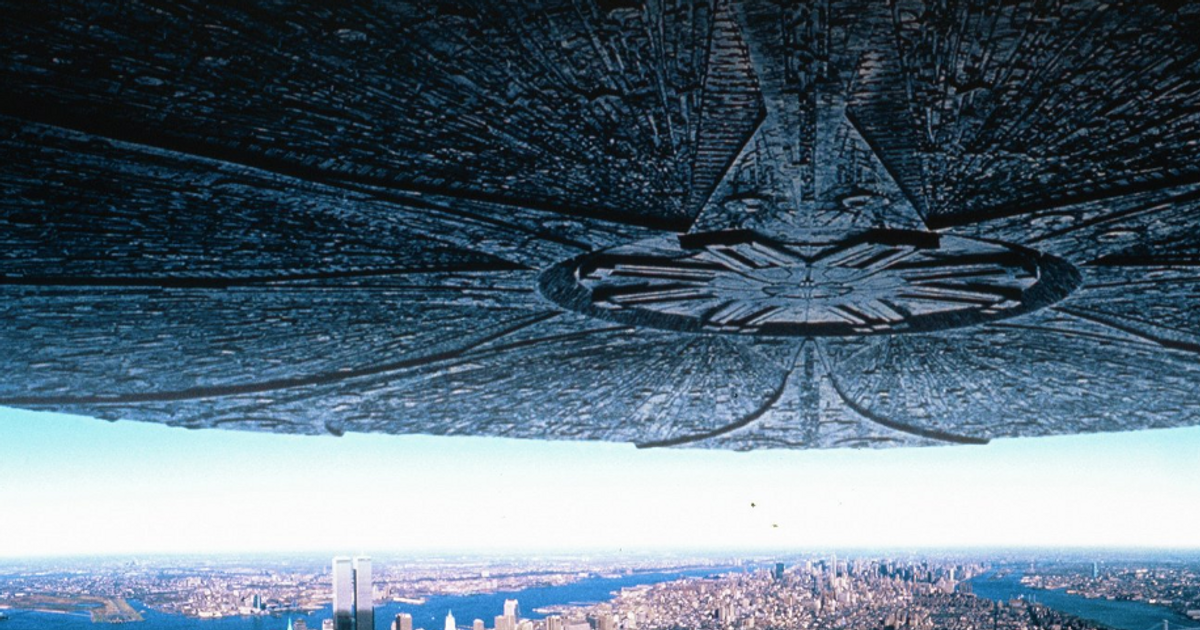
The 1996 blockbuster Independence Day remains a landmark in science fiction cinema, yet modern critics and film historians argue its narrative structure and tone would struggle to resonate with contemporary audiences. Directed by Roland Emmerich, the film grossed over $817 million globally, according to Box Office Mojo, cementing its status as a quintessential example of 1990s disaster spectacle. While the film’s visual effects and star-studded ensemble—led by Will Smith and Jeff Goldblum—defined a generation, the “naively optimistic” approach to global catastrophe is increasingly viewed as a relic of a pre-digital, pre-cynical era of filmmaking.
As a sports journalist who has spent over a decade analyzing the intersection of global events and public perception, I find the shift in how we process “apocalyptic” narratives fascinating. Just as sports analytics have changed the way we interpret a match, our collective appetite for blockbuster storytelling has evolved. The original film relied on a sense of unified national identity and straightforward heroism that, in today’s fragmented media landscape, often feels out of step with the complexities of global geopolitical reality.
The Evolution of the Disaster Genre
The success of Independence Day rested on a specific formula: a clear, external threat that temporarily erased domestic divisions, allowing for a triumphant, singular human response. Today, however, the disaster genre has pivoted toward more grounded, character-driven, or dystopian narratives. According to the American Film Institute, the 1990s were characterized by “event cinema,” where the spectacle itself was the primary draw. In contrast, modern audiences—accustomed to high-fidelity digital effects and complex moral ambiguity—often demand more nuanced storytelling that reflects current anxieties regarding technology, climate, and governance.

The film’s “naivety” lies in its depiction of international cooperation. In 1996, the idea of a world united under a single American-led military response was presented as a heroic necessity. Analysts note that in the current era, such a depiction might be perceived as oversimplified. Where the 1996 audience saw a cathartic rallying cry, modern viewers tend to look for the “why” behind the chaos, often favoring films that explore the sociological impacts of catastrophe rather than just the pyrotechnics.
Why the 1990s Formula Struggles Today
Modern cinematic discourse suggests that the “iconic” status of the film is largely nostalgic rather than functional. If released today, the plot—which features a computer virus uploaded to an alien mothership via an Apple PowerBook—would likely face intense scrutiny for its lack of technical plausibility. While audiences in 1996 accepted these leaps of logic as part of the “fun,” the modern viewer is more technologically literate and prone to questioning the internal consistency of a film’s premise.

Furthermore, the pacing of the 1996 film is deliberate, building tension over a long runtime. Current box office trends, as tracked by the Motion Picture Association, indicate that modern audiences prefer faster-paced narratives with frequent “beats” designed for social media engagement. The slow-burn approach of the 1990s, while classic, often fails to maintain the attention span required in an era of streaming and fragmented content consumption.
The Legacy of Roland Emmerich’s Vision
Despite these criticisms, the impact of the film remains undeniable. It set the standard for the modern summer blockbuster, proving that high-concept science fiction could dominate the global box office. Roland Emmerich’s signature style—large-scale destruction captured with a sense of awe rather than dread—remains a staple of the genre, even if the tone has shifted.

It is worth noting that the film’s success was not just about the aliens; it was about the celebrity power of its cast. Will Smith’s performance as Captain Steven Hiller provided a charismatic, grounded anchor for a story that could have easily become lost in its own scale. This star-driven model is something that studios still attempt to replicate, though the rise of franchise-based intellectual property (IP) has shifted the focus from individual actors to established universes like the Marvel Cinematic Universe or the DC Extended Universe, as monitored by The Numbers.
What Happens Next for the Genre?
The future of the disaster film lies in its ability to adapt to a world that feels increasingly unpredictable. Rather than relying on the “naively optimistic” tropes of the mid-90s, filmmakers are now exploring themes of isolation and systemic failure. Whether this shift will eventually lead back to the blockbuster spectacle of old remains to be seen, but for now, the legacy of Independence Day serves as a benchmark for how we measure the distance between the cinema of the past and the expectations of the present.
If you have thoughts on how the disaster genre has changed or whether you believe the 1996 classic still holds up, I encourage you to share your perspective in the comments below. Stay tuned to World Today Journal for further analysis on the cultural impact of cinema and the evolution of global entertainment trends.