
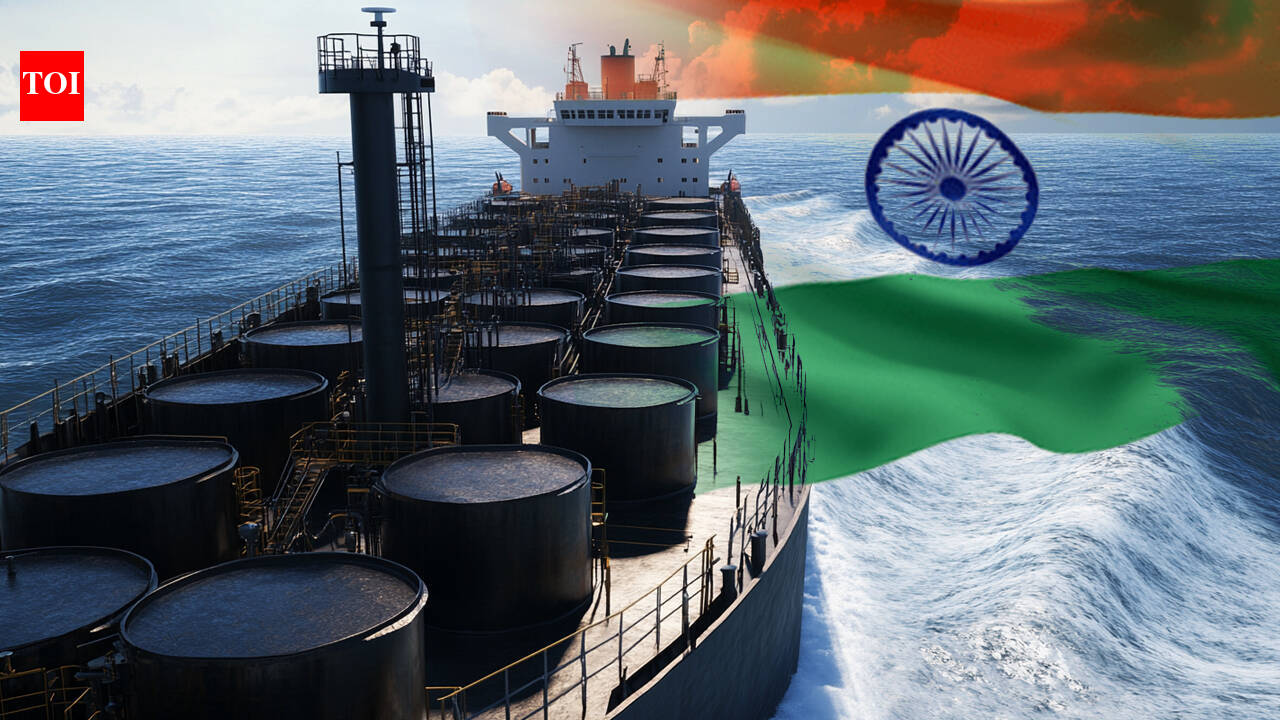
India is aggressively diversifying its crude oil import sources to mitigate the risks posed by rising geopolitical tensions near the Strait of Hormuz, a critical maritime chokepoint for global energy supplies. As conflicts between the United States and Iran threaten the stability of Persian Gulf shipping lanes, New Delhi has pivoted toward suppliers in Russia, Brazil, and Venezuela to ensure domestic energy security. According to recent data from the International Energy Agency, India remains the world’s third-largest oil consumer and importer, making its energy infrastructure highly sensitive to regional instability in the Middle East.
The Strait of Hormuz handles roughly 20% of the world’s total petroleum consumption, making any disruption in the region a direct threat to India’s economy. The Indian government, through the Ministry of Petroleum and Natural Gas, has signaled that maintaining a stable flow of affordable crude is a national priority. By increasing purchases from non-Gulf nations, India aims to insulate its domestic fuel prices from the volatility often associated with Middle Eastern geopolitical crises.
Shifting Import Patterns in a Volatile Market
The strategy to move away from heavy reliance on the Gulf Cooperation Council (GCC) countries is not entirely new, but the pace has accelerated significantly over the last two years. While Saudi Arabia and Iraq remain foundational suppliers, India has utilized discounted Russian crude to offset the rising costs of traditional imports. As reported by the Reuters, Russia became India’s top oil supplier in 2023, a shift that has fundamentally altered the nation’s import profile. This realignment provides a buffer against potential blockades or insurance premium spikes in the Persian Gulf.

In addition to Russian supplies, India has expanded its engagement with Latin American producers. Recent diplomatic and trade discussions have led to increased procurement from Brazil and the resumption of interest in Venezuelan crude, following the easing of certain U.S. sanctions in late 2023. According to the U.S. Energy Information Administration, these efforts are part of a broader “energy diplomacy” framework designed to prevent supply-side shocks that could trigger inflationary pressure within India’s manufacturing and transport sectors.
How Energy Stability Affects the Indian Economy
For India, the stakes are measured in both currency stability and consumer price indices. Because the country imports more than 85% of its crude oil requirements, any sudden increase in global benchmark prices—often triggered by fears of a Hormuz closure—directly impacts the Indian Rupee and the cost of living for its 1.4 billion citizens. The government has attempted to manage this by maintaining strategic petroleum reserves (SPR) located in underground caverns at Visakhapatnam, Mangalore, and Padur, which have a combined capacity of 5.33 million metric tons, as noted by the Indian Strategic Petroleum Reserves Limited.

The reliance on a more diverse basket of suppliers also allows Indian state-run refineries, such as Indian Oil Corporation (IOC) and Bharat Petroleum (BPCL), to negotiate better terms. By having the logistical flexibility to source from Atlantic Basin producers, India reduces its vulnerability to “choke point” politics. This shift is monitored closely by global markets, as India’s demand growth is expected to be a primary driver of global oil consumption throughout the next decade.
Navigating Geopolitical Risks
The situation in the Persian Gulf remains fluid, with U.S.-Iran friction continuing to influence maritime insurance rates and tanker transit safety. Indian officials have consistently advocated for the freedom of navigation in international waters, emphasizing that the Strait of Hormuz is a global common that must remain open for trade. The Ministry of External Affairs has maintained a policy of “strategic autonomy,” which allows India to engage with all regional players while prioritizing its own commercial interests.

Looking ahead, the focus for New Delhi is expected to remain on long-term supply contracts that include “destination flexibility” clauses. These allow Indian refineries to divert tankers if transit routes become unsafe, providing a crucial layer of operational security. The next significant update on national energy policy is expected during the upcoming fiscal budget review, where the government will likely outline further investments in renewable energy and green hydrogen to eventually reduce the overall dependence on imported hydrocarbons.
For ongoing updates regarding India’s energy import statistics and trade policy, readers are encouraged to consult the official Ministry of Petroleum and Natural Gas portal. We welcome your thoughts on how India’s energy strategy impacts regional stability; please share your comments below.