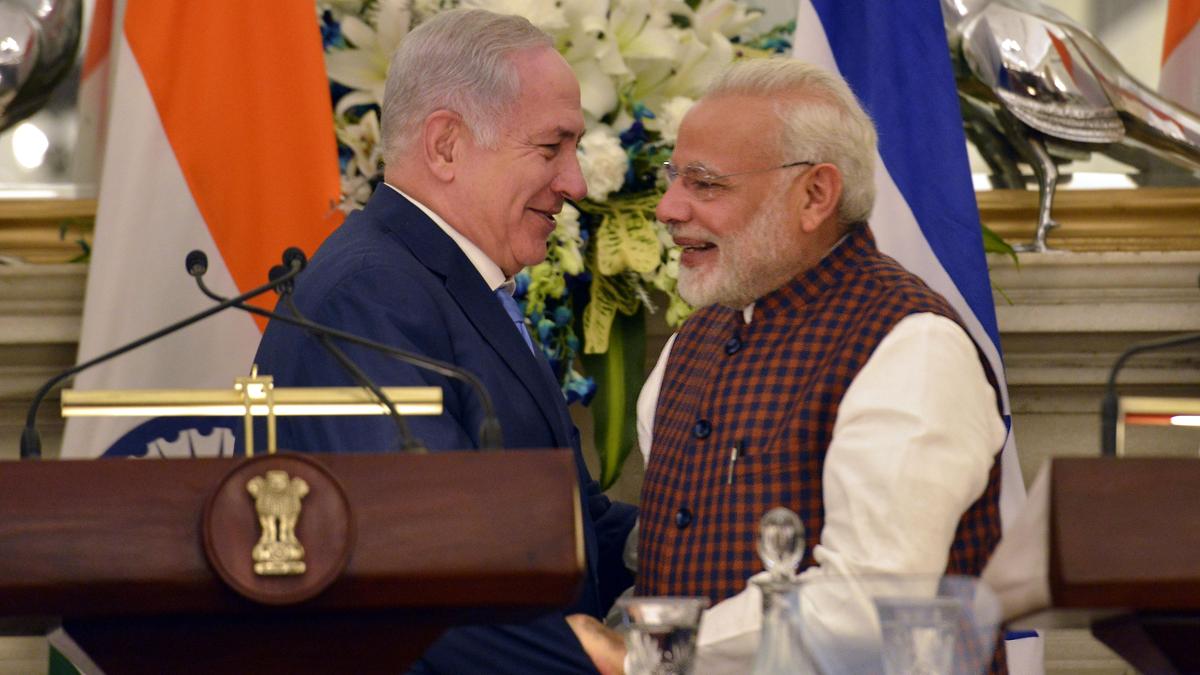
Sofia, Bulgaria – As Prime Minister Narendra Modi prepares for a two-day visit to Israel beginning February 25, 2026, discussions surrounding a potential free trade agreement (FTA) between the two nations are gaining momentum. Negotiations for the pact officially commenced this week, signaling a renewed commitment to strengthening economic ties and fostering increased investment. The first round of talks, which began on February 24th and are scheduled to conclude on February 26th, aims to lay the groundwork for a comprehensive agreement that could significantly boost bilateral trade.
The pursuit of an FTA reflects a deepening strategic partnership between India and Israel, extending beyond longstanding cooperation in defense and security. Both countries recognize the potential for expanded economic collaboration, particularly in sectors like technology, innovation, and infrastructure. The timing of these negotiations, coinciding with Prime Minister Modi’s visit, underscores the importance both nations place on solidifying this relationship. Israel’s Ambassador to India, Reuven Azar, has expressed optimism about finalizing the agreement this year, highlighting the shared desire for a more robust economic framework.
The current negotiations build upon previous attempts to establish a free trade agreement. Eight rounds of talks were held in the past, but ultimately stalled in October 2021. This renewed effort, formalized by the signing of Terms of Reference (ToR) in November 2025, demonstrates a commitment from both sides to overcome previous obstacles and achieve a mutually beneficial outcome. The ToR outline key areas of focus, including reducing tariff and non-tariff barriers, facilitating investment, streamlining customs procedures, and promoting collaboration in areas like artificial intelligence and technology transfer.
Renewed Focus on Economic Partnership
The impetus for a new FTA stems from a desire to capitalize on the growing economic relationship between India and Israel. While trade volumes have experienced recent fluctuations, the underlying potential remains substantial. During the fiscal year 2024-2025, India’s exports to Israel totaled $2.14 billion, a significant decrease of 52% from the $4.52 billion recorded in the previous year. Imports also saw a decline, falling by 26.2% to $1.48 billion. Despite this downturn, bilateral trade still reached $3.62 billion.
Israel currently stands as India’s second-largest trading partner in Asia. Historically, trade has been dominated by diamonds, petroleum products, and chemicals. However, recent years have witnessed a diversification of trade, with increasing volumes in electronic machinery, high-tech products, communications systems, and medical equipment. India’s major exports to Israel include pearls, precious stones, automotive diesel, chemical and mineral products, machinery, plastics, textiles, and base metals. Imports from Israel consist of pearls, precious stones, chemical and fertilizer products, machinery, petroleum oils, and defense-related equipment.
Key Areas of Negotiation and Potential Benefits
The ongoing negotiations are expected to cover a broad range of issues aimed at fostering a more conducive environment for trade and investment. A central component of the FTA will be the reduction or elimination of import duties on a wide range of goods traded between the two countries. This will enhance the competitiveness of Indian and Israeli products in each other’s markets. The agreement is anticipated to address non-tariff barriers, such as complex regulatory procedures and standards, which can hinder trade flows.
Investment facilitation is another crucial aspect of the negotiations. Both India and Israel are keen to attract foreign investment, and the FTA is expected to include provisions that streamline investment procedures, protect investors’ rights, and promote a stable and predictable investment climate. In September 2025, the two countries already took a step in this direction by inking a Bilateral Investment Agreement (BIA), which reduced the local remedies exhaustion period for Israeli investors in India from five to three years.
Beyond goods and investment, the FTA is also expected to address trade in services, including areas like information technology, healthcare, and tourism. Collaboration in innovation and technology transfer will be another key focus, reflecting the shared commitment of both countries to fostering technological advancement. The agreement could also include provisions to simplify customs procedures, reduce bureaucratic hurdles, and promote greater transparency in trade regulations.
Strengthening Security Cooperation Alongside Economic Ties
Prime Minister Modi’s visit to Israel is not solely focused on economic matters. Alongside the FTA negotiations, discussions are expected to center on strengthening defense cooperation. Israeli Ambassador Reuven Azar has indicated that the two countries will seek to update their existing security agreements to address evolving threats and deepen collaboration in defense technology. This includes potentially engaging in more sensitive joint projects and developing collaborative solutions to emerging security challenges.
The deepening security partnership reflects a shared understanding of the geopolitical landscape and a mutual interest in safeguarding regional stability. Israel is a key supplier of defense equipment to India, and the two countries have a long history of collaboration in areas like intelligence sharing and counter-terrorism. The updated security agreements are expected to further enhance this cooperation and enable a more coordinated response to common security threats.
Looking Ahead: Next Steps and Potential Challenges
The current round of negotiations, concluding on February 26, 2026, represents a crucial step in the process of forging a comprehensive FTA between India and Israel. While significant progress has been made, several challenges remain. Reaching a consensus on issues such as tariff reductions, market access, and intellectual property rights will require careful negotiation and compromise from both sides.
Following this initial round, further negotiations are anticipated in the coming months, with the goal of reaching a final agreement by the end of 2026, as suggested by Ambassador Azar. The successful conclusion of the FTA would not only boost bilateral trade and investment but also send a strong signal of the deepening strategic partnership between India and Israel. It would also position both countries to capitalize on emerging opportunities in the global economy.
The next key development to watch will be the outcome of these initial negotiations and the scheduling of subsequent rounds. Stakeholders on both sides will be closely monitoring the progress of the talks and advocating for their respective interests. The successful implementation of the FTA will require continued commitment and collaboration from both governments, as well as active engagement from the private sector.
What are your thoughts on the potential India-Israel Free Trade Agreement? Share your comments below and let us understand how you believe this partnership will impact global trade.