India Responds to U.S.tariffs with Sweeping Tax Reforms
India is proactively addressing escalating trade tensions with the United States by implementing meaningful changes to its Goods and Services Tax (GST) system. These reforms aim to bolster the Indian economy and mitigate the impact of recently imposed U.S. tariffs. the move comes after President Trump announced new tariffs last month, possibly impacting billions of dollars in Indian exports.
A Simplified Tax Structure
Finance Minister Nirmala Sitharaman announced the approved changes late Wednesday, with the new system taking effect September 22nd. the overhaul streamlines the GST into a two-rate structure: 5% and 18%. previously, the system operated with four tiers – 5%, 12%, 18%, and 28%.
Here’s a breakdown of the key changes:
Majority of Goods: Will now be subject to lower tax rates.
Special Rate: A 40% tax will apply to select luxury items like high-end cars, tobacco, and cigarettes. Essential Services: Life and health insurance purchases will be exempt from tax.
Protecting the Indian Economy
These tax reductions are a core component of Prime Minister Narendra Modi’s strategy to shield the indian economy from the anticipated shock of U.S. tariffs. Estimates suggest these tariffs could affect approximately $48.2 billion worth of Indian exports.”the wide-ranging reforms will improve lives of our citizens and ensure ease of doing business for all, especially small traders and businesses,” Modi stated.This demonstrates a commitment to supporting both consumers and businesses during this period of economic adjustment.
The Root of the Tension: Russian Oil & U.S. Tariffs
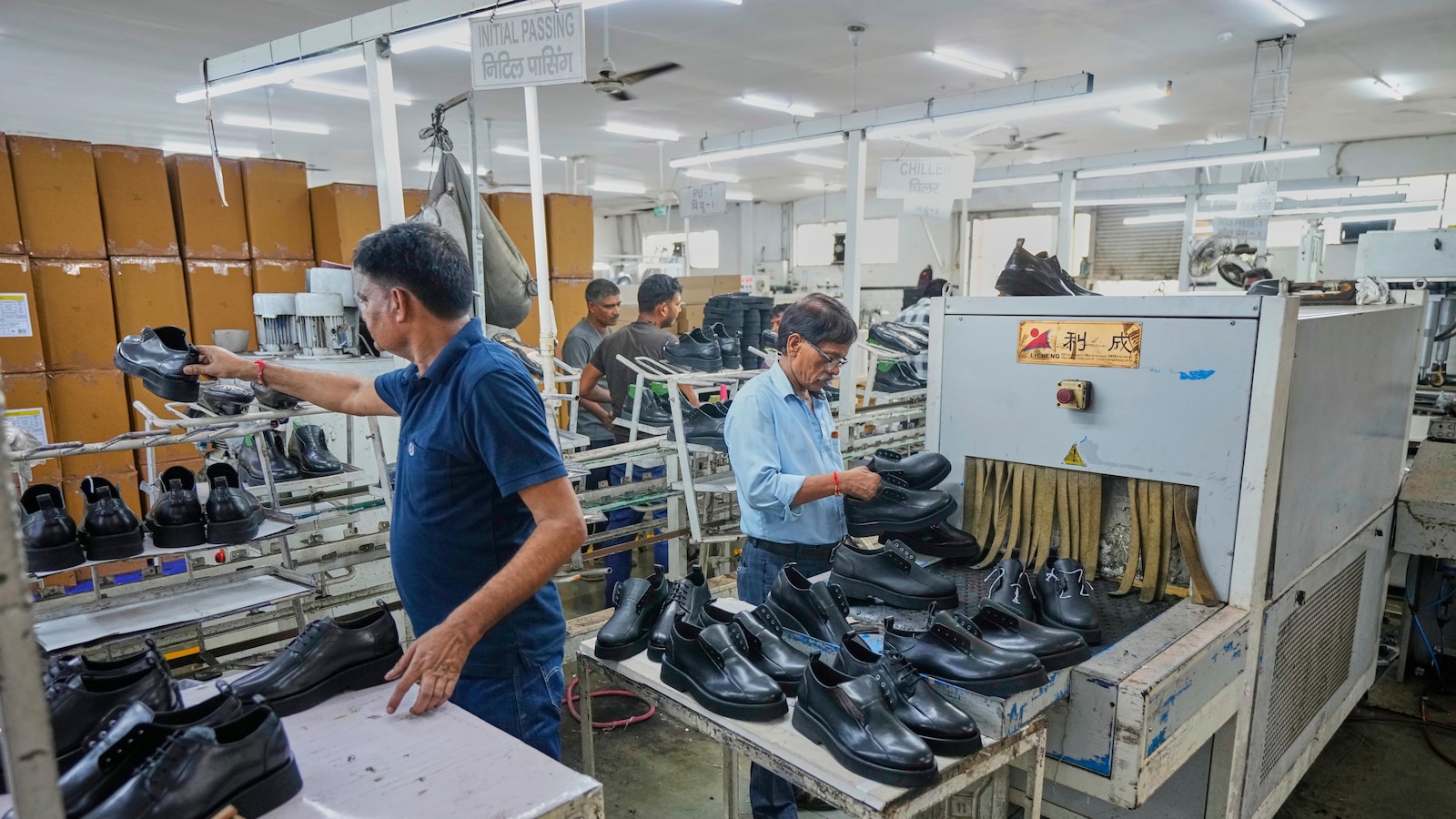
The recent escalation in tariffs stems from the U.S.’s concerns over india’s continued purchase of russian oil. Trump imposed an additional 25% tariff on indian goods, effectively doubling the total to 50%. This action has strained relations between the world’s two largest democracies.While India-U.S. trade has grown in recent years, it remains susceptible to disputes regarding market access and domestic political pressures.Officials warn that the new duties could render shipments to the U.S. commercially unviable, potentially leading to job losses and slower economic growth.
Diversifying Trade Partnerships
To counter the potential negative effects, India is actively pursuing diversification of its export markets. The country is focusing on expanding trade relationships with:
Europe
Latin America
Africa
* Southeast Asia
Trade negotiations with the European Union have gained momentum as India seeks to reduce its reliance on the U.S. market. Moreover, the government is exploring financial incentives, including favorable loan rates, to support exporters.
Looking Ahead
India’s response to the U.S. tariffs demonstrates a proactive approach to safeguarding its economic interests. By simplifying its tax structure, diversifying trade partnerships, and providing support to exporters, india aims to navigate these challenging trade dynamics and ensure continued economic growth. You can expect continued developments as these strategies unfold and negotiations progress.