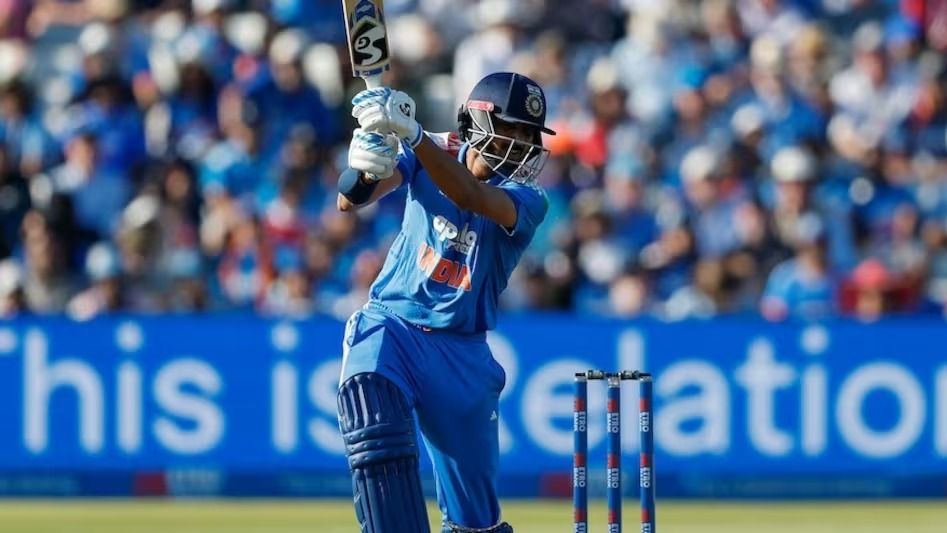
India secured a six-wicket victory over England in the first ODI of the 2026 series, successfully resetting the momentum after a challenging run in the preceding T20 format. The win, anchored by a disciplined bowling display and a refined batting performance, places India at an early advantage in the bilateral series. Shubman Gill provided the aesthetic grace at the top of the order, while Axar Patel’s multi-dimensional contribution proved decisive in neutralising the English attack.
While the result was overwhelmingly positive for the hosts, the match served as a reminder of the volatility of top-order cricket. Rohit Sharma and Virat Kohli both faced early dismissals, failing to convert their starts into significant scores. Their exits briefly left the middle order under pressure, but the depth of the squad proved sufficient to chase down the target comfortably.
The Tactical Edge: Gill’s Technical Prowess and Axar’s All-Round Utility
Shubman Gill’s innings was the cornerstone of the Indian chase. Known for his technical soundness and ability to find gaps in the field, Gill navigated the English pace battery with composure. His performance underscored his growing reliability in the 50-over format, providing a stable platform even as wickets fell around him.

Axar Patel’s role in this victory cannot be overstated. Utilised both as a restrictive bowling option and a dependable batter, he showcased the high-value “all-rounder” profile that has become essential to modern ODI cricket. By taking critical wickets during the middle overs, he restricted England’s scoring potential, ensuring the target remained well within reach for the Indian chase. His contribution with the bat further solidified the win, proving his worth as a utility player capable of delivering under scoreboard pressure.
Top-Order Challenges and Team Resilience
Both players, usually the bedrock of India’s batting lineup, struggled to establish themselves against the movement generated by the English new-ball bowlers. Their failure to fire tested the middle order, which has frequently been the subject of debate regarding its consistency.
Despite the top-order collapse, the team’s response demonstrated the depth of the current Indian squad. Rather than crumbling, the subsequent batters adopted a pragmatic approach, focusing on building partnerships rather than chasing boundaries.
Join the conversation in the comments section below to share your thoughts on whether the top-order should be adjusted for the next game.
Worth a look
- The Open Live Updates: DeChambeau Shines as Rory McIlroy Struggles in Early Rounds
- Thomas Tuchel Blamed for Tactical Shift in England’s World Cup Semi-Final Loss
- England vs Argentina: The Familiar Heartbreak of a World Cup Collapse (archyde.com)
- India-Australia Strategic Alliance: Shaping Indo-Pacific Security (archynewsy.com)