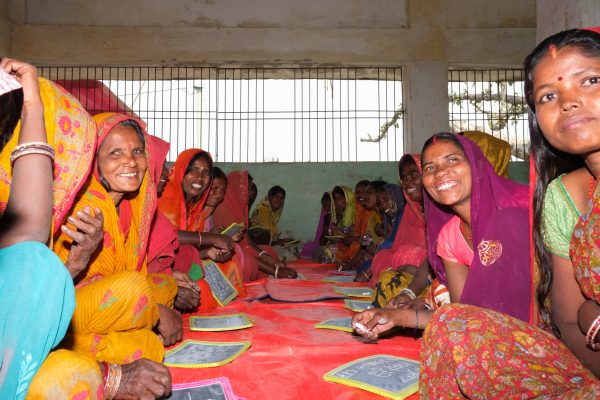
Empowering Rural Women in Agriculture: The Rise of Community Animal Health Entrepreneurs in Bihar and Beyond
For generations, rural women in agricultural economies have faced systemic barriers too economic empowerment and leadership. Nowhere is this more evident than in regions like Bihar, India, where deeply entrenched social hierarchies, limited access to resources, and conventional gender roles conspire to keep women marginalized despite their crucial role in food production. However, innovative programs are emerging that not onyl address these challenges but actively leverage the potential of women to drive rural transformation. This article explores the specific problems facing rural women in agriculture, focusing on the prosperous heifer International model of training Community Agricultural Veterinary Entrepreneurs (CAVEs) and its broader implications for sustainable advancement.
The Multifaceted Challenges Facing Rural Women in Agriculture
The agricultural landscape for women in regions like Bihar is fraught with obstacles. These aren’t isolated issues, but rather interconnected layers of disadvantage:
Land Ownership Disparity: Despite women constituting 80% of the agricultural workforce in Bihar, a staggering statistic reveals that only 13% own land. This lack of ownership translates to limited access to credit, financial resources, and decision-making power within the household and community. Without land as collateral, securing loans for improved farming practices or livestock care becomes nearly unfeasible.
Social and Cultural Constraints: Traditional gender norms often dictate that women’s roles are confined to domestic duties, limiting their mobility, access to education, and participation in public life. As highlighted by the experiences of women in the Heifer international program,even attending training sessions can be met with resistance from husbands and families,hindering their ability to acquire new skills and economic opportunities. Caste-Based Discrimination: The deeply rooted caste system in Bihar exacerbates existing inequalities. Women from lower castes, like gunja Das, face additional barriers to education, healthcare, and employment, perpetuating a cycle of poverty and marginalization. This systemic discrimination limits their access to resources and opportunities, even within the agricultural sector.
Lack of Access to Specialized Services: Rural areas often suffer from a shortage of essential services, notably veterinary care. This impacts livestock health, a critical component of the agrarian economy, and disproportionately affects women who are often responsible for animal husbandry.The absence of qualified professionals creates a vulnerability that can devastate livelihoods.
Limited Access to Details & Technology: Modern agricultural practices require access to information on improved techniques, market prices, and weather patterns.Rural women often lack access to these resources,hindering their ability to increase productivity and profitability. Digital literacy and access to technology are crucial for bridging this gap.
Financial Dependence & Lack of Economic Independence: Without independent income sources, women are frequently enough financially dependent on their husbands or male family members, making them vulnerable to exploitation and limiting their agency.
The CAVE Model: A pathway to Empowerment and Economic Independence
Heifer International’s initiative to train women as Community Agricultural Veterinary Entrepreneurs (CAVEs) in Muzaffarpur, Bihar, offers a powerful example of how to address these challenges. The program’s success isn’t simply about providing technical skills; it’s about dismantling systemic barriers and fostering a shift in societal perceptions.
Here’s how the CAVE model works and why it’s effective:
Targeted Skill Development: The seven-day residential training program, led by veterinary professionals, equips women with practical skills in farmstock vaccinations, diagnosis, deworming, and animal care. This provides them with a marketable skill set and the confidence to provide essential services to their communities. Economic Opportunity: Becoming a CAVE provides women with a sustainable income source, fostering economic independence and challenging traditional gender roles. The program provides not just training, but also essential tools like scooters, enabling them to reach remote areas and expand their reach.
Increased Social Recognition & Status: The success stories, like that of Gunja Das, demonstrate how the program elevates women’s status within their communities. From being largely invisible, these women become respected professionals, sought after for their expertise. The transformation from “Gunja Das” to “Gunja’s husband” – a proud declaration from her spouse – symbolizes a essential shift in power dynamics.
Community Impact: CAVEs address a critical need for veterinary services in rural areas, improving livestock health and boosting agricultural productivity. Their work benefits entire communities, contributing to economic growth and food security.
* Scalability & Replication: the heifer International model has proven successful not only in Bihar but also in Nepal, Cambodia, and Bangladesh, demonstrating its potential for replication in other regions facing similar challenges.