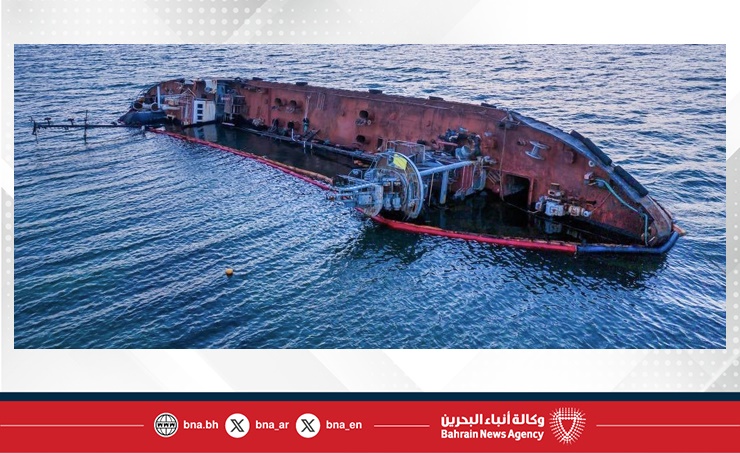
The Indian government has issued a stern condemnation after an Indian-flagged cargo vessel sank in Omani waters, following what is suspected to be a targeted drone or missile strike. The incident, which occurred on Thursday, May 14, 2026, has raised immediate concerns regarding the safety of commercial shipping lanes in the Arabian Sea and the increasing use of unmanned aerial systems in regional conflicts.
Officials in New Delhi described the attack as “unacceptable,” signaling a high level of diplomatic alarm over the targeting of a non-military vessel. While the ship was lost to the sea, reports indicate that the crew members were rescued, avoiding a potential mass-casualty event in one of the world’s most critical maritime corridors.
The sinking of the Indian ship off the Oman coast highlights a volatile security environment where commercial assets are increasingly caught in the crossfire of geopolitical tensions. The use of low-cost, high-impact precision weapons like drones has fundamentally altered the risk profile for merchant mariners, particularly those operating smaller or less-defended vessels.
Details of the Maritime Strike
The vessel involved was a wooden cargo ship, a type of craft commonly used for regional trade but highly vulnerable to fire and structural failure when hit by incendiary or explosive payloads. According to reports, the ship caught fire following a strike by a suspected drone or missile, leading to its eventual sinking in Omani waters. The speed with which the vessel succumbed to the fire suggests a high-temperature impact, typical of modern loitering munitions or missile warheads.

The precise coordinates of the sinking and the specific nature of the cargo have not been officially released, but the event occurred in a zone known for heavy traffic and strategic sensitivity. The rescue of the crew was prioritized, with regional maritime assets responding to the distress calls. The fact that the crew survived is a rare positive outcome in an incident involving a vessel that sank completely.
For more on the official response, Reuters reported the Indian government’s condemnation of the attack on May 14, 2026.
Diplomatic Fallout and India’s Stance
The reaction from New Delhi was swift and decisive. By labeling the attack “unacceptable,” the Indian government has signaled that it views the strike not as a random accident or a collateral consequence of regional skirmishes, but as a violation of international maritime norms. This phrasing is often used in diplomatic circles to precede further investigative actions or the filing of formal protests through international channels.
India’s maritime strategy has historically focused on maintaining the freedom of navigation and ensuring the safety of its merchant fleet, which serves as a lifeline for the nation’s energy and trade needs. An attack on an Indian-flagged vessel, regardless of the size or material of the ship, is viewed as a challenge to national prestige and a threat to the economic security of its shipping industry.
The incident is expected to prompt closer coordination between the Indian Navy and the Omani authorities to investigate the origin of the drone or missile. The identification of the perpetrator will be critical in determining whether this was a state-sponsored act or the work of a non-state actor operating within the region.
The Growing Threat of Drone Warfare at Sea
The use of drones in the Arabian Sea and the Gulf of Oman is not an isolated phenomenon but part of a broader shift in modern warfare. Unmanned aerial vehicles (UAVs) offer attackers a way to strike targets with precision while maintaining plausible deniability and minimizing the risk to their own personnel.
Wooden cargo vessels, like the one sunk off the coast of Oman, are particularly susceptible to these attacks. Unlike steel-hulled tankers or container ships, wooden vessels provide almost no protection against heat or shrapnel, making a fire nearly impossible to contain once ignited. This vulnerability makes them “soft targets” that can be used to send political messages or disrupt local trade routes without requiring the resources of a full-scale naval engagement.
Maritime security experts note that the “democratization” of drone technology means that smaller groups can now project power far from their shores, threatening the stability of global shipping lanes. This creates a complex environment for commercial captains who must now navigate not only natural hazards but also invisible, remote-controlled threats.
Regional Impact and Shipping Lane Stability
The waters off Oman are a gateway to the Strait of Hormuz, one of the most critical choke points in the global oil trade. Any instability in this region has a ripple effect on global energy prices and insurance premiums for shipping companies. When a vessel is sunk by a suspected drone strike, insurance underwriters often designate the area as a “high-risk zone,” which significantly increases the cost of transit for all ships in the vicinity.

For the Indian shipping community, this event serves as a wake-up call. While larger vessels may have some security protocols, the smaller regional traders—often using wooden ships—are largely unprotected. There is now an urgent need for enhanced maritime domain awareness (MDA) to detect incoming drones before they reach their targets.
Stakeholders affected by this incident include:
- Merchant Mariners: Who face increased psychological and physical risks during transit.
- Shipping Insurance Firms: Who must re-evaluate risk premiums for the Arabian Sea.
- Regional Governments: Who must balance security measures with the need to keep trade lanes open.
- Global Energy Markets: Which remain sensitive to any disruption near Omani and Iranian waters.
What Happens Next?
The immediate focus will be on the forensic analysis of any recovered debris from the sunken vessel to determine the exact type of weapon used. This evidence will be crucial for the Indian government to attribute the attack to a specific entity.
the incident is likely to lead to an increase in naval patrols by the Indian Navy and its partners in the region. We can expect a push for greater intelligence sharing between Oman and India to monitor UAV activity in the Gulf of Oman and the wider Arabian Sea.
The next confirmed checkpoint will be the release of the official investigation report by the maritime authorities, which is expected to clarify the timeline of the strike and the identity of the attackers. Until then, shipping advisories for the region are likely to remain elevated.
We invite our readers to share their perspectives on the rising threat of drone warfare in commercial shipping in the comments below. Please share this report to keep the global maritime community informed.
Keep reading
- Japanese Zoos Facing Crisis: Lack of Funding, Staff, and Animals
- Dallas Women’s Team Moves to AAC and New Training Center
- Massive Attack Performs Seo Taiji’s ‘Generals’ at Incheon Pentaport Rock Festival (archynewsy.com)
- Odesa Attack: 13 Injured as Russian Strike Hits Transport Infrastructure (time.news)